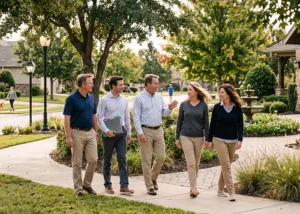
Managing a community landscape is an ongoing process heavily dictated by the changing weather and growing conditions of the region. A clear and comprehensive Seasonal HOA Landscaping Checklist allows the board and management team to ensure consistent beauty and adherence to the budget throughout the year.
The Importance of the Seasonal HOA Landscaping Checklist
For an HOA board, the landscape is often the single largest line item in the annual budget. It also represents the most visible asset of the community. Using a seasonal checklist is not merely about scheduling work; it is about establishing a methodical, proactive approach to asset protection and financial stewardship. This structured plan helps the association avoid costly reactive repairs.
A successful landscaping contract relies on mutual clarity regarding the scope of work for each period, from dormancy to peak growing season. This checklist ensures that essential tasks, such as irrigation system tune-ups or seasonal plantings, are performed precisely when they are most effective for plant health. This detailed planning helps to maximize the investment in the common areas.
Furthermore, a publicly communicated checklist informs homeowners about scheduled work, when it will happen, and why. This transparency reduces surprise and helps residents understand their own responsibilities when it comes to coordination, such as temporarily moving vehicles to accommodate mulching or pruning crews. This clear communication builds confidence in the management’s efforts.
Spring: Preparing for Growth and Color
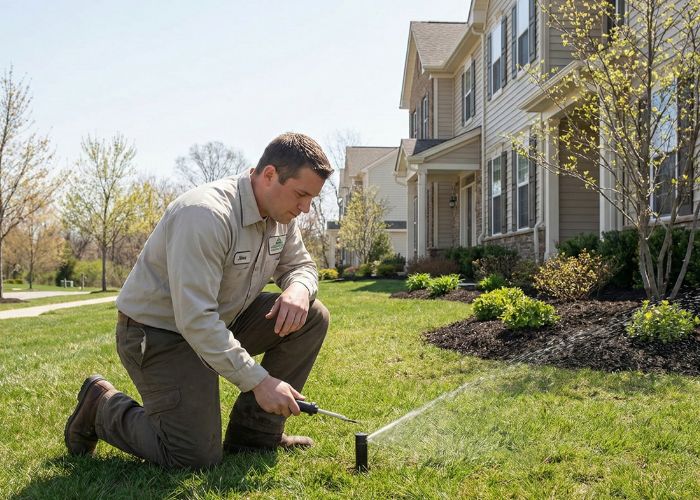
As the ground warms and winter dormancy ends, the focus shifts to recovery and intense preparation for the heavy growing season ahead. Spring is the busiest time for the association’s landscaping team, involving major cleanup and the necessary steps to promote a healthy turf and vibrant flower beds. This careful work lays the foundation for summer beauty.
Turf Health and Fertilization
A foundational step in spring is the crucial first application of fertilizer, often combined with pre-emergent weed control to inhibit summer growth. This feeding provides the necessary nutrients to help the lawn recover from winter stress and achieve a deep, green color. Soil testing is performed periodically to ensure the nutrient mix being applied is perfectly suited to the specific needs of the local turf and plant life.
The irrigation system is carefully examined and activated in the spring, a process known as the ‘start-up.’ All lines and sprinkler heads are checked for winter damage, leaks, or blockages that could lead to water waste or uneven coverage later in the season. Proper calibration ensures that the community’s water use is efficient and compliant with any local restrictions.
Flower Beds and Annual Plantings
Flower beds are meticulously cleaned of winter debris, old mulch, and any lingering dead plant material. A fresh layer of mulch is then applied throughout the common areas. This cosmetic refresh instantly brightens the community’s appearance and helps the soil retain moisture during the initial warmer days.
The selection and planting of spring and summer annuals is a highly visible task that occurs after the threat of frost has passed. These strategic flower placements in entry areas and amenity centers provide those attractive bursts of color that instantly elevate the overall aesthetic. The chosen colors and varieties are always designed to complement the architecture of the community.
Summer: Focus on Maintenance and Water Management
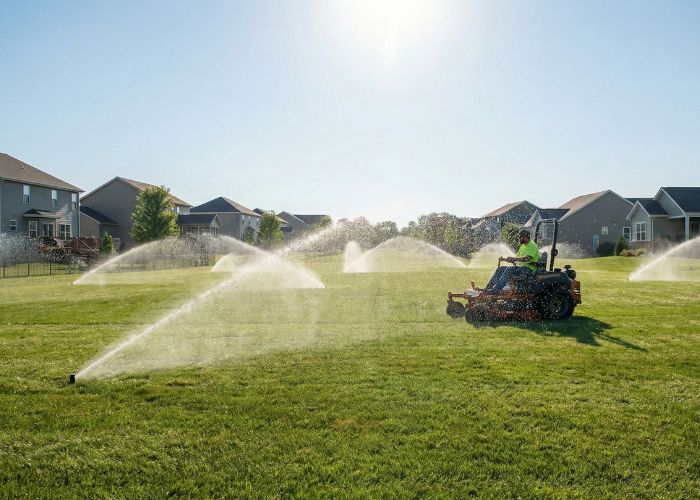
The summer months transition from growth stimulation to rigorous maintenance, with the primary challenges being consistent mowing, weed control, and managing heat stress. The appearance of the community during this time is determined by the commitment to weekly upkeep and careful monitoring of environmental conditions.
Irrigation and Drought Strategy
Maintaining consistent moisture is paramount in the hot summer, particularly in areas susceptible to drought. The irrigation schedule should stay constantly adjusted based on rainfall and temperature fluctuations to prevent dry spots and unnecessary water usage. This precise management is often monitored remotely by the landscape contractor for optimal efficiency.
The landscape crews dedicate significant time to managing weeds, which thrive during the warm, wet months. Broadleaf weeds in the turf and persistent invaders in the planting beds are continually spot-treated and removed. This consistent effort prevents minor issues from quickly escalating into costly, widespread problems.
Pruning and Aesthetic Upkeep
Shrubs and hedges undergo routine, prescriptive pruning during the summer to maintain their intended shape and size. This work ensures that walkways, sightlines, and street signs remain clear of obstruction. For this step, you should take care not remove too much foliage, which could expose plants to summer sun damage.
You should perfom routine inspections and regularly pressure wash hardscape elements. Clean hard surfaces create a sharp, well-maintained contrast against the green landscape. Additionally, crews monitor the health of trees for signs of pests or disease that could pose a risk to residents or infrastructure.
Fall: Cleanup, Renewal, and Winter Preparation
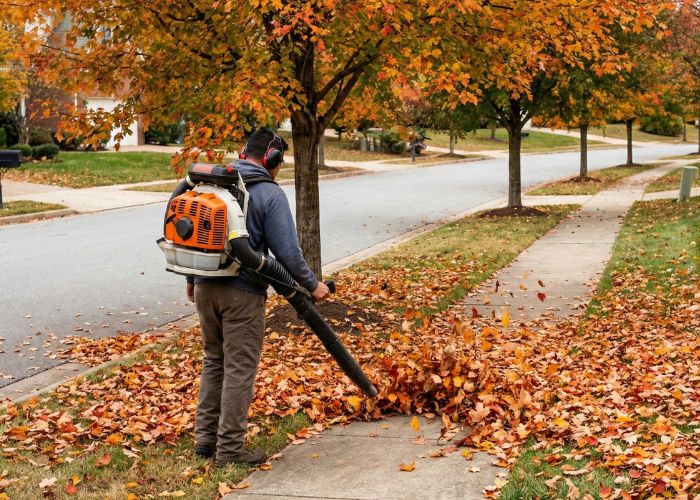
As temperatures begin to drop, the focus shifts to preparing the landscape for dormancy and ensuring a smooth transition into the colder season. Fall is a critical time for long-term turf health and is when most of the heavier, restorative work is performed on the common areas.
Leaf and Debris Removal
The most visible task in the fall is removing leaves from common areas and street gutters. You will need consistent and thorough leaf cleanup. Doing so helps preserve aesthetics and prevent turf smothering and clogged storm drains. If ignored, this can lead to drainage issues during heavy rains.
Overseeding and Aeration
In many regions, late summer or early fall is the optimal time for aeration and overseeding of the turf. Aeration relieves soil compaction, allowing air, water, and nutrients to penetrate the root zone more effectively. Overseeding, the process of planting new grass seed directly into the existing turf, ensures a dense, healthy lawn the following spring.
The landscape team also begins transitioning annual color beds by removing spent summer flowers. Then, they start planting cool-season varieties, such as pansies or kale, that provide color well into winter. Perennial plants are cut back. Meanwhile, many sensitive woody plants are treated with protective wraps or mulch to guard against severe cold.
Winter: Protection and Damage Prevention
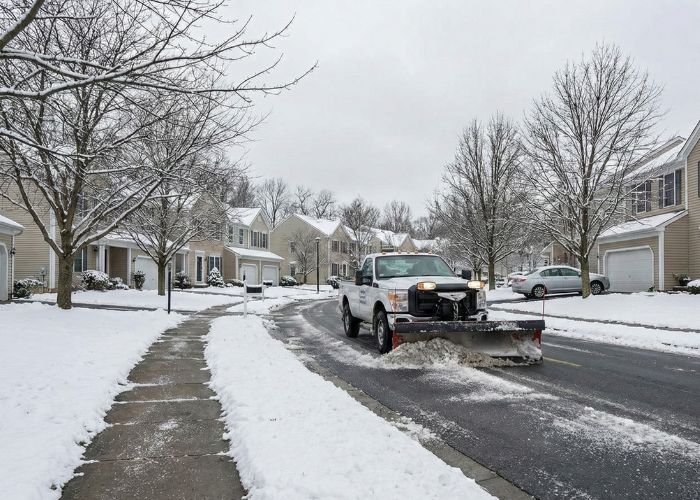
While growth slows, winter is far from a time of complete rest for the landscape maintenance program. The work shifts to monitoring, protection, and focusing on tasks that are not possible during the peak growing season.
Hardscape and Snow Management
If the community is located in a snowy climate, the winter checklist is dominated by snow and ice removal services for common roads and sidewalks. Contracts must outline specific trigger depths and response times to ensure access and safety for all residents. Salting and de-icing are applied strategically to minimize damage to nearby plant life.
Winter is an excellent time to tackle larger, structural tree pruning projects. Dormant pruning minimizes stress on the tree and makes it easier to assess the overall branch structure. See to it that you remove any trees deemed structurally unsound or hazardous during this time, often after receiving proper approval from the board.
Monitoring and Cleanup
Throughout the dormant season, crews regularly monitor common areas for damage caused by severe weather, high winds, or pests. The goal is to address damage quickly before it can become a larger problem or safety hazard. Promptly remove the debris resulting from winter storms to maintain community appearance.
You need to have your pipes professionally winterized to remove all water from the lines. This helps prevent pipes from bursting due to freezing temperatures. Your landscaping needs this process to protect the investment made in the system and help with the annual closure for the growing cycle.
By the Season
Having a detailed, season-by-season approach outlined in the landscaping checklist is proof of a board’s commitment to preserving the community’s assets and aesthetic standards. This comprehensive planning ensures that the neighborhood remains beautiful, compliant, and well-maintained throughout the entire year. A healthy landscape is a hallmark of a thriving HOA.
Looking for professional help in handling your HOA’s landscaping needs? Harbour Master Management offers professional HOA management services tailored to your needs. Call us at 401-414- 5130 or contact us online to get started!