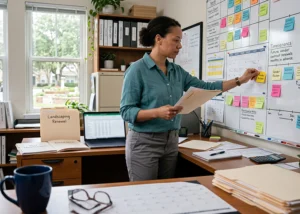
Community sports often bring people together in ways few other amenities can. Many residents seek neighborhoods with easy access to athletic facilities, and organized activities tend to strengthen those ties further. Managing organized sports in HOAs requires thoughtful planning, as a balance must be struck among safety, fair use, and the long-term condition of shared amenities.
Value of Organized Sports in HOAs
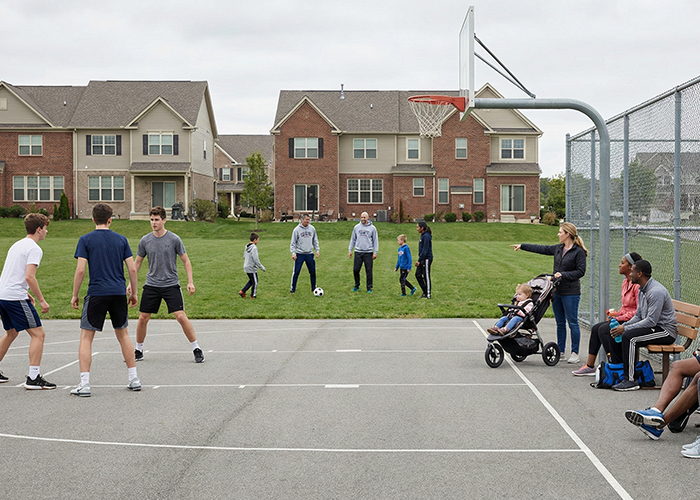
A strong sense of community often grows around shared interests, and organized sports provide a natural setting for that connection. Neighbors who may not cross paths during a regular week often meet one another at games, practices, or tournaments. These casual interactions slowly build a friendlier environment, one that feels welcoming and active.
Property values also benefit when sports amenities are maintained well and used regularly. Courts, fields, and recreation areas signal an invested community that supports wellness and engagement. Prospective buyers tend to view these features positively because active amenities often indicate a stable, well-managed association. Even modest recreation programs can boost a neighborhood’s overall appeal when handled properly.
But with these strengths comes the need for clear oversight. Organized sports introduce scheduling demands, higher facility usage, and added liability concerns. Without structured policies, disputes can develop quickly. Fairness and safety often depend on rules that are consistently enforced and easy for residents to understand.
Safety and Liability in Sports Facilities
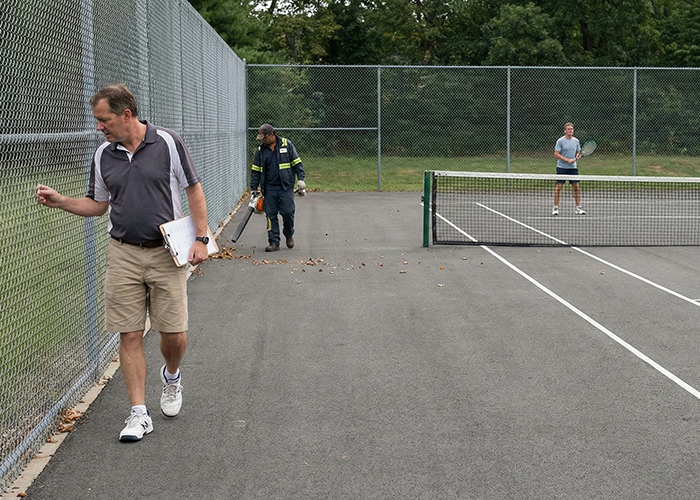
Ensuring safety across all sports amenities remains one of the board’s most important responsibilities. Courts, fields, and other recreation areas should be kept in safe working condition at all times. A predictable maintenance process helps reduce accidents and limits the community’s exposure to unnecessary risk.
Routine Facility Maintenance
Regular inspection schedules help HOAs stay ahead of problems. Even small issues, such as loose fencing or uneven turf, can create hazards if ignored for too long. Tennis courts with cracks, playgrounds with worn surfaces, or pool areas with weakened ladders present real risks that could lead to serious injuries.
Maintenance planning should include long-term capital needs as well. Surfaces eventually need resurfacing, nets require replacement, and outdoor equipment wears out faster with frequent use. When these tasks follow a set timeline, the community demonstrates responsible management, which becomes especially important if an accident ever results in a claim. Records of each repair and inspection offer key protection against allegations of negligence.
Insurance Requirements
Insurance plays a major role in liability planning. Associations depend on a master policy that includes broad general liability coverage, particularly when facilities support active use. Organized sports introduce additional risks that must be acknowledged in the policy’s scope.
Conversations with the association’s insurance agent help clarify what is covered and what is not. HOAs that allow non-residents to participate must confirm that their policy extends to those guests. Some policies limit coverage for outside users, so the board should fully understand these details before authorizing participation from anyone who does not live in the community.
A well-structured insurance plan protects both the association and its membership. It also provides clarity whenever the board must approve new sports programs or modify existing ones.
Ensuring Fair Access for All Residents
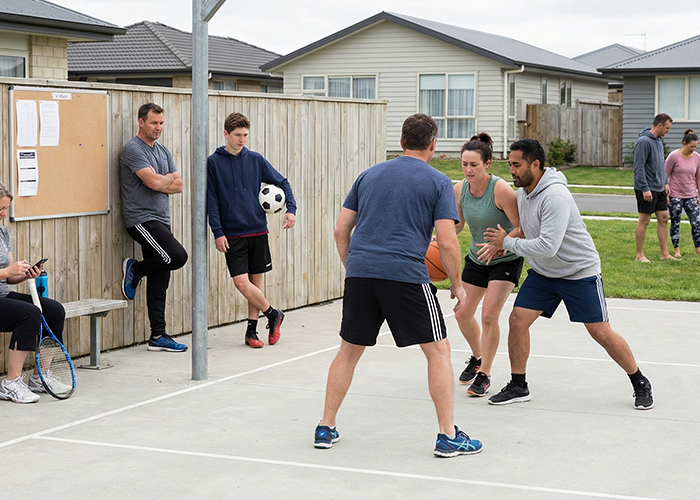
Demand for sports amenities can spike during certain seasons, especially when popular programs like pickleball, basketball, or soccer draw large groups. Without fair access rules, frustration builds among residents who feel pushed out by recurring practices or league events.
Reliable Reservation Systems
An organized reservation policy helps reduce these situations. HOAs often create schedules that outline how residents may reserve a court or field, whether for a short practice or a recurring activity. Clear limits prevent one team or group from dominating the space throughout an entire week.
Casual users also deserve opportunities to enjoy the amenities without having to compete with heavily structured programs. Some associations choose to prioritise unscheduled resident use unless a reservation was approved in advance. This kind of framework keeps playtime balanced for both organized teams and individuals who want to enjoy spontaneous recreation.
Managing Guest and Non-Resident Use
Communities sometimes allow guests or non-resident players, though this requires stronger oversight. Liability waivers often come into play here, especially when minors participate. Restrictions on peak hours also help preserve resident access, since outside groups can quickly fill up the schedule if guidelines are not in place.
Some HOAs introduce amenity fees for non-resident participants or groups that use the facilities frequently. This additional revenue assists with increased wear and tear. It also helps ensure that the community is not absorbing the full cost of maintaining facilities that are heavily used by outside parties.
Rules That Support Organized Team Play
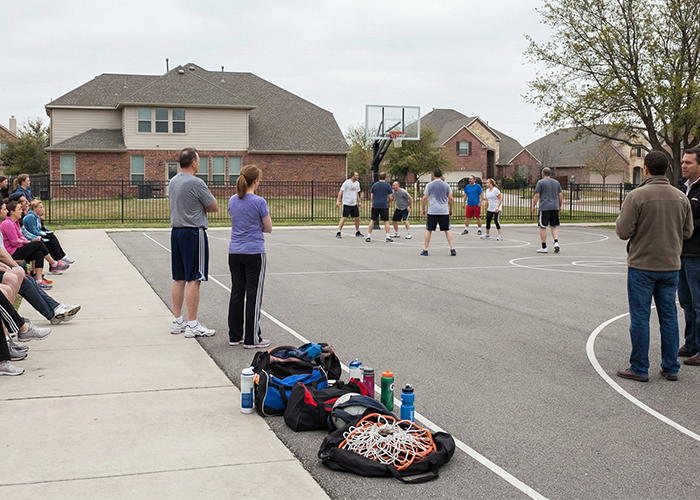
Organized sports naturally bring more activity, equipment, and foot traffic to the community. Managing that activity helps protect the facilities and maintain a comfortable environment for everyone living nearby.
Spectator and Noise Guidelines
Larger games often attract spectators, and the added crowd can bring noise, parking issues, or disruption if not managed well. Rules that address gathering size and quiet hours help residents enjoy their homes without unnecessary disturbance. HOAs may also outline where spectators can stand, sit, or park to avoid blocking access points or fire lanes.
Managers or enforcement committees may intervene when rules are ignored. Even well-intentioned teams must prioritise safety and respect for nearby homes during their events.
Care for Equipment and Facilities
Sports equipment left behind or stored improperly can damage surfaces and create hazards. Teams should be required to remove gear immediately after each use. Drinks or materials that can stain courts should be restricted, and rules should specify where equipment may or may not be stored.
Damage from organized play should be documented as soon as it is found. When a particular team or group is responsible, the HOA may charge repair costs directly to the sponsor or resident who reserved the facility. This ensures accountability and helps protect the association’s budget.
Role of Management in Overseeing Sports Activities
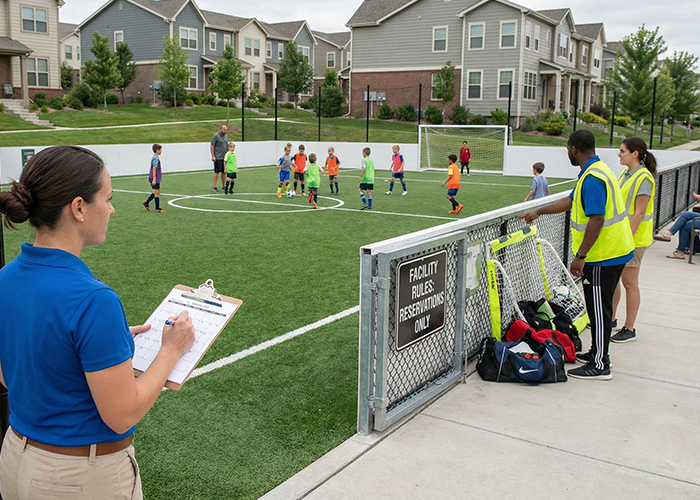
The management company plays a key role in coordinating sports programs. While the board creates the rules, the manager handles day-to-day enforcement, scheduling, and communication. This central oversight keeps the process fair and consistent.
Managers maintain reservation calendars, verify compliance with insurance requirements, and check facilities regularly for safety concerns. Their involvement removes pressure from volunteer board members, who may not have the time to oversee every detail.
When conflicts arise, managers act as neutral parties who can address issues without escalating tensions. They document violations, issue reminders, and guide the board through any formal action needed to suspend privileges. This structured approach helps maintain order and fairness across all sports activities.
Strong Management Leads to Stronger Programs
Managing organized sports in HOAs calls for clear rules, responsible oversight, and a commitment to fairness. Communities that invest in regular maintenance, proper insurance, and accessible scheduling create enjoyable spaces that residents value. These efforts help protect the property’s long-term health while supporting an active and connected neighborhood.