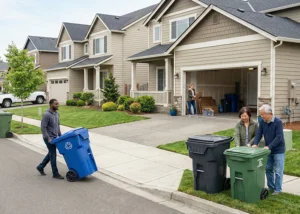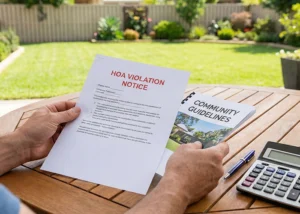
A peaceful neighborhood often stands out as one of the biggest advantages of living in an HOA community. Yet situations appear from time to time when someone’s behavior disrupts that comfort. Guidance on how to handle bad neighbors in your HOA becomes essential, especially when the goal is to protect harmony without creating unnecessary tension.
Understanding the Scope of Bad Neighbor Issues
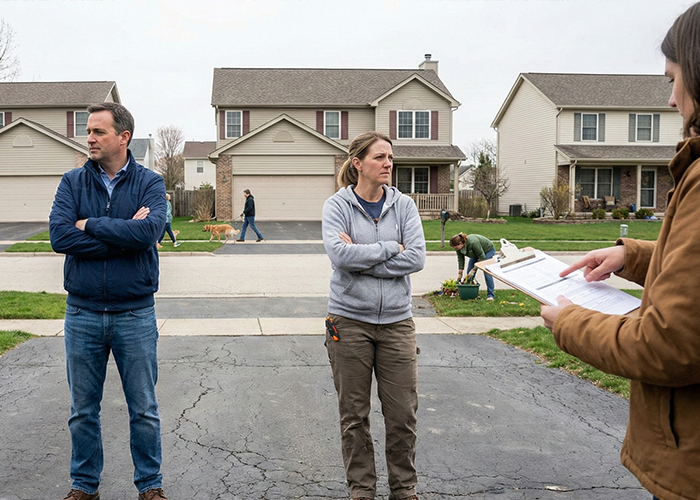
Disruptions within a neighborhood do not always fall under the HOA’s authority. While frustrations may feel significant, not every disagreement qualifies as a violation. Residents sometimes assume the board can step into any problem, but the association’s authority stops where the governing documents end.
A matter becomes actionable only when someone’s behavior clearly violates the CC&Rs, Bylaws, or Rules and Regulations. Examples include parking violations, chronic noise, property neglect, or actions that create safety concerns. If a rule is not written, the board cannot enforce it, even if the behavior feels inconsiderate.
Because of this limitation, the board’s role must stay focused on objective standards. Personal disputes fall outside the HOA’s jurisdiction and need resolution through private conversations or civil channels. When the board keeps its attention on rule-based issues, decisions remain defensible, consistent, and fair.
Common Violations That Affect Neighbor Enjoyment
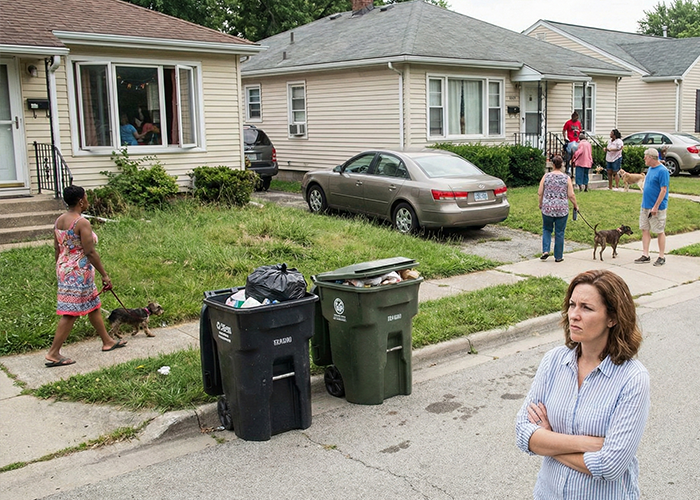
Conflicts usually arise when one neighbor’s choices begin affecting another’s daily life. These issues appear in many communities and often require structured enforcement.
Noise and Disturbances
Noise complaints tend to surface frequently, especially in tighter residential settings. Loud music, late-night gatherings, barking dogs, and early-morning power tools are common triggers for frustration. Rules about quiet hours exist to help protect peace for everyone.
However, noise enforcement becomes effective only when clear details are provided. Dates, times, and specific descriptions help the board or manager verify the issue. Serious cases, especially those involving threats or potential violence, should go directly to local law enforcement. The HOA is not designed to replace police authorities.
Property Maintenance Concerns
A poorly maintained home stands out quickly and can affect how neighbors feel about their surroundings. Overgrown lawns, overflowing trash, peeling paint, or damaged structures fall under typical maintenance standards in most communities.
These concerns become easier to address because they are visible and can be documented through photos or inspections. The board must still use progressive enforcement, which gives the homeowner an opportunity to correct the problem before any fines or penalties are applied. Consistency prevents claims of unfair treatment and helps maintain community aesthetics.
Parking and Vehicle Problems
Parking remains a common source of tension, especially in communities with assigned spaces, shared lots, or tight roadways. Challenges include blocking driveways, storing inoperable vehicles, or parking RVs or work trucks in prohibited areas.
Clear signs and consistent enforcement help reduce confusion. A vehicle registration system, fair warning procedures, and towing policies offer structure. When rules are applied evenly, residents feel that parking limits are respected and disputes decrease.
Behavior That Can Affect Safety and Health
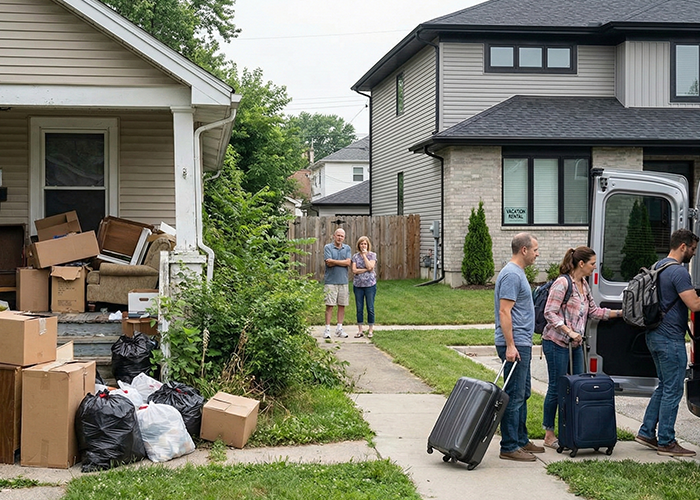
Some issues reach beyond simple rule violations. When a homeowner’s behavior threatens the safety, health, or legal standing of the community, a more urgent response is required.
Hoarding and Unsanitary Conditions
Severe property neglect sometimes creates risks that extend beyond the immediate home. Hoarding, pest infestations, overwhelming debris, or fire hazards threaten nearby properties as well. These situations require careful handling and usually involve both the HOA attorney and local authorities.
The board’s goal in these cases centers on reducing danger rather than punishment. Because these issues can involve sensitive personal circumstances, a respectful but firm approach works best while ensuring safety concerns are addressed quickly.
Short-Term Rental Violations
Many associations have strict limits on short-term rentals due to concerns about security, turnover, and accountability. When a homeowner repeatedly violates these rules, the problem can escalate fast. Frequent visitor changes often lead to noise issues, misuse of shared amenities, and added strain on community resources.
Taking quick action protects the residential character of the neighborhood and prevents liability concerns. Legal counsel may be required to confirm the violation and pursue stronger remedies if simple notices do not resolve the issue.
How HOAs Should Manage Bad Neighbor Complaints
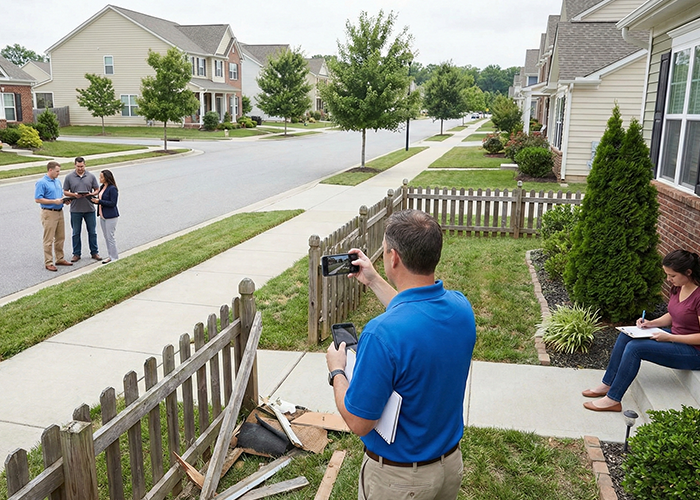
A structured approach offers clarity for both residents and board members. Encouraging a homeowner to confront a problematic neighbor directly often worsens the situation. Instead, the association’s formal process provides a safer and more productive option.
Reporting and Documentation
The process begins when a resident submits a written complaint with details such as the date, time, and nature of the issue. Anonymous or vague complaints rarely lead to enforcement because due process requires verifiable information. Management then determines whether the reported behavior violates any written rule.
Once this step is confirmed, an objective investigation follows. Photos, videos, logs, or staff observations help clarify what truly occurred. This step removes emotion from the equation and ensures that enforcement is based on facts rather than personal opinions.
Due Process and Enforcement
After verification, the board initiates the enforcement steps outlined in the governing documents. Most associations start with a friendly reminder or a written warning. Continued issues may lead to fines, suspension of privileges, or in rare cases, legal action.
Each step must follow the association’s procedures, including providing the homeowner the right to a hearing. Decisions gain legitimacy when the board treats similar violations in similar ways. Clear records protect the HOA from claims of selective enforcement and reinforce trust among residents.
How the Management Company Supports the Process
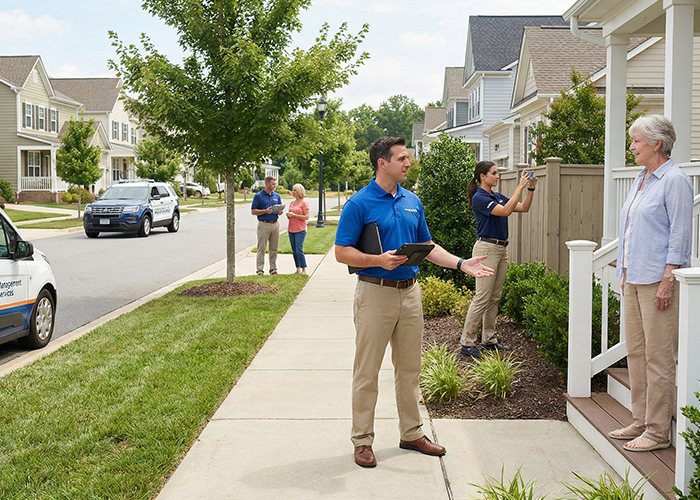
Professional managers play a key role in maintaining boundaries and helping the board navigate emotionally charged conflicts. Their presence allows volunteer board members to avoid direct confrontations with residents, which can become uncomfortable or contentious.
Managers handle communications, gather documentation, and coordinate inspections. They also guide residents toward proper channels, whether that involves animal services, city code enforcement, or the police. This protects the HOA from overstepping and ensures that each issue is handled by the appropriate authority.
Their training allows them to translate resident concerns into actionable information. Through this structured support, the board can focus on decision-making while managers take care of day-to-day administration.
Upholding Harmony Through Clear Processes
A clear, predictable system protects everyone involved. Residents feel supported, board members stay within their legal responsibilities, and the overall community atmosphere remains positive. When done well, this approach preserves the peaceful environment that homeowners expect when they choose to live in an HOA.