
Board transitions are a natural part of every homeowners association. Whether a director completes their term, resigns, or new volunteers step forward, each leadership change creates an opportunity to strengthen the community. With the right preparation, board transitions can happen smoothly without disrupting daily operations or long-term goals.
Why They Matter More Than You Think
Every HOA depends on consistent leadership. While individual board members come and go, the association’s responsibilities remain the same. Budgets still need approval, vendors still require oversight, and homeowners still expect timely communication.
That is why board transitions deserve careful attention. A well-planned transition helps preserve knowledge, reduces confusion, and allows incoming directors to contribute with confidence. Instead of spending months trying to figure out how things work, new board members can focus on serving the community from day one.
Good transitions also build trust among homeowners. Residents notice when meetings continue on schedule, projects stay on track, and communication remains clear despite changes in leadership.
Why Board Transitions Can Become Challenging
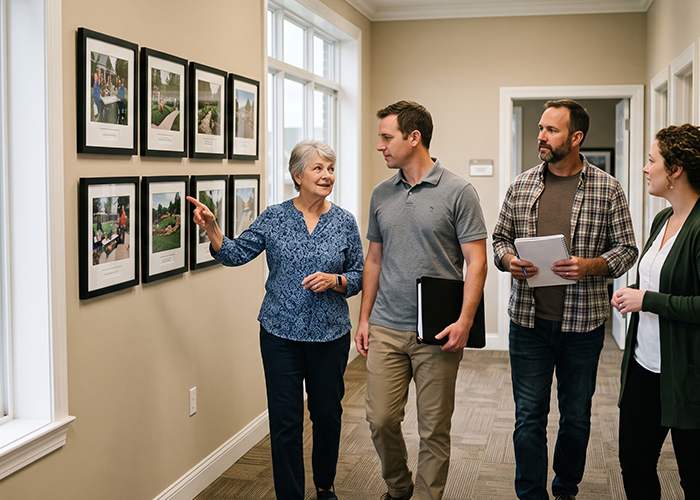
Leadership changes are rarely difficult because people leave. Most problems happen because information leaves with them.
Many outgoing directors have years of experience stored in emails, handwritten notes, or personal files. If those materials are never shared, incoming members must recreate processes that already existed.
Common transition challenges include:
- Missing financial records
- Incomplete vendor information
- Limited understanding of ongoing projects
- Passwords or account access not being transferred
- Unclear board responsibilities
- Little or no training for new directors
These issues can delay decisions and create unnecessary frustration. Fortunately, most of them are easy to prevent with a little planning.
Start Planning Before the Election
One of the biggest mistakes HOAs make is waiting until after elections to think about the transition process.
Preparation should begin well before board seats change hands. This gives outgoing directors enough time to organize documents and identify active projects while everything is still fresh in their minds.
Boards should review:
- Current contracts
- Financial reports
- Reserve projects
- Committee updates
- Governing documents
- Pending homeowner requests
- Legal matters
- Vendor contacts
Creating an organized transition packet before elections makes the handoff much smoother once new directors officially begin serving.
Build a Complete Transition Binder
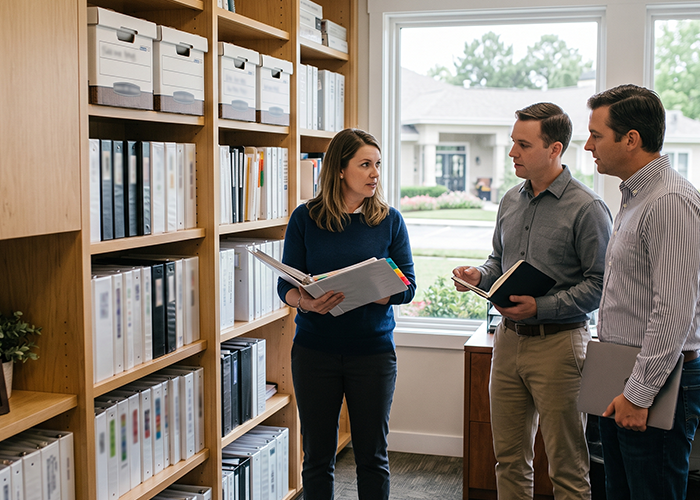
Every association should maintain a central collection of important records. Whether it is digital, printed, or both, this resource becomes one of the most valuable tools during board transitions.
A strong transition binder typically includes:
Governing Documents
Include the declaration, bylaws, articles of incorporation, architectural guidelines, and current rules.
Financial Information
Provide the latest budget, reserve study, bank information, insurance policies, audits, and monthly financial statements.
Vendor Directory
List every contractor along with contact information, contract dates, pricing, and notes about recent work.
Current Projects
Summarize active maintenance, capital improvements, landscaping projects, and pending homeowner requests.
Meeting Records
Include recent meeting minutes and board resolutions so incoming members understand previous decisions.
Important Contacts
Maintain updated contact information for the management company, attorney, accountant, insurance agent, reserve specialist, and emergency vendors.
Having everything in one location saves countless hours and helps new board members get up to speed quickly.
Create Clear Knowledge Transfer Sessions
Documents tell only part of the story. Conversations often explain why certain decisions were made and what challenges remain.
Scheduling one or two transition meetings allows outgoing and incoming directors to discuss:
- Current priorities
- Long-term goals
- Budget concerns
- Vendor relationships
- Community expectations
- Upcoming deadlines
These discussions help preserve valuable experience that cannot always be captured on paper.
Instead of starting from scratch, new board members gain context that helps them make informed decisions.
Help New Board Members Understand Their Roles
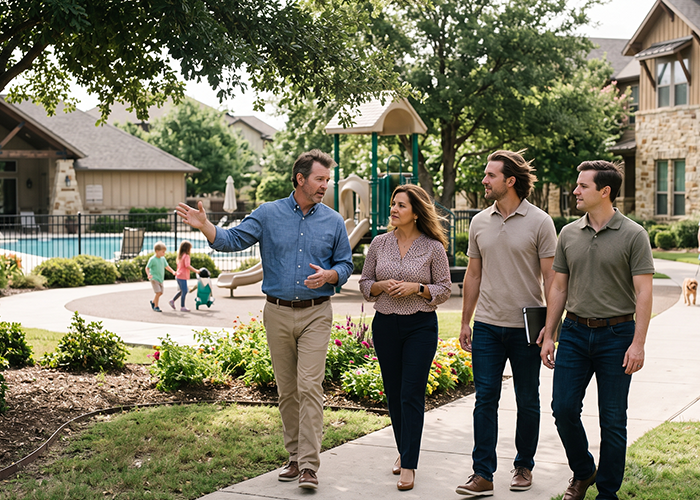
Serving on an HOA board often feels unfamiliar at first. Many volunteers have never held similar positions before.
Orientation can make a significant difference.
New directors should understand:
- Their fiduciary responsibilities
- Meeting procedures
- Financial oversight
- Ethics expectations
- Confidentiality requirements
- State laws affecting community associations
The sooner new members understand these responsibilities, the more confident they become during meetings and discussions.
Keep Communication Open With Homeowners
Board transitions naturally raise questions among residents.
Some homeowners may wonder whether projects will continue or whether policies will change. Others simply want reassurance that their community remains in good hands.
A simple announcement after elections helps reduce uncertainty.
Share information such as:
- Newly elected board members
- Officer appointments
- Appreciation for outgoing directors
- Upcoming goals
- Meeting schedule
Clear communication builds confidence and shows homeowners that leadership changes are part of a healthy association.
Review Ongoing Projects Together
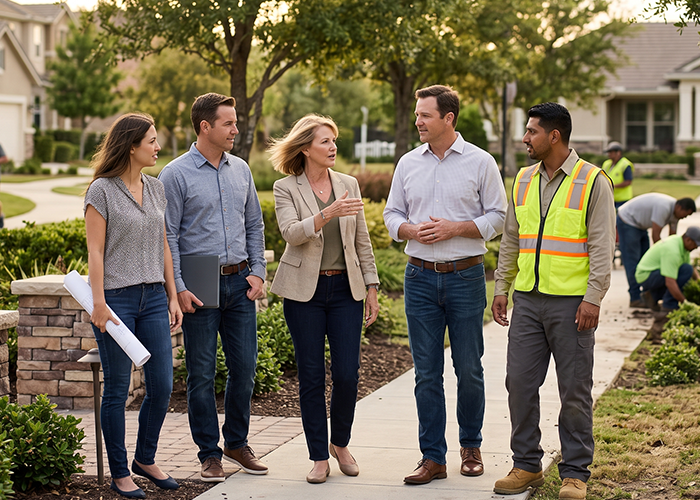
Every HOA usually has several projects underway at any given time.
These may include:
- Roof replacements
- Landscaping improvements
- Pool renovations
- Reserve study updates
- Community events
- Budget planning
- Insurance renewals
Outgoing directors should provide a written status update for each project.
Helpful details include:
- Current progress
- Remaining work
- Contractor contacts
- Important deadlines
- Approved budgets
- Potential concerns
This simple step prevents projects from slowing down after leadership changes.
Update Access to Association Accounts
One of the most overlooked parts of board transitions involves digital access.
Outgoing directors often manage multiple online accounts. If login credentials remain tied to former board members, the association could lose access to important information.
Review and update access for:
- Bank accounts
- HOA management software
- Website administration
- Email accounts
- Accounting systems
- Document storage
- Social media accounts
- Vendor portals
Passwords should always be updated after leadership changes for security purposes.
Work Closely With Your HOA Management Company

Professional management companies play an important role during board transitions.
Because managers work continuously with the association, they often provide valuable continuity while volunteer leadership changes.
An experienced management team can assist by:
- Organizing records
- Preparing orientation materials
- Explaining ongoing projects
- Coordinating meetings
- Maintaining vendor communication
- Tracking deadlines
- Supporting new directors
This guidance helps incoming boards avoid unnecessary mistakes while becoming familiar with their responsibilities.
Preserve the Association’s Institutional Knowledge
Every board learns valuable lessons over time.
Some vendors consistently perform well. Certain maintenance schedules work better than others. Previous projects often reveal helpful insights for future planning.
Rather than allowing that knowledge to disappear, boards should document it.
Consider maintaining a running leadership guide that includes:
- Successful project strategies
- Lessons learned
- Preferred vendors
- Seasonal maintenance schedules
- Annual planning calendar
- Frequently asked homeowner questions
Updating this guide every year creates an ongoing resource that benefits every future board.
Encourage Respect Between Outgoing and Incoming Leaders
Leadership changes work best when everyone approaches the process with professionalism.
Outgoing directors should recognize that their service helped shape the community. Incoming directors should appreciate that foundation while bringing fresh ideas and perspectives.
Respect creates smoother conversations and stronger collaboration.
Even if priorities change over time, both groups ultimately share the same goal of serving homeowners and protecting community assets.
Develop an Annual Transition Process
The best board transitions follow a repeatable process rather than being created from scratch every election cycle.
An annual checklist helps ensure consistency.
A practical transition process may include:
- Organize board records.
- Review financial reports.
- Update vendor information.
- Transfer digital accounts.
- Schedule orientation meetings.
- Introduce new directors.
- Review ongoing projects.
- Update committee assignments.
- Share governing documents.
- Establish priorities for the new board.
Using the same process each year reduces confusion and creates stability throughout the association.
Strong Leadership Begins With Strong Transitions
Every successful HOA depends on continuity as much as leadership. When knowledge, records, and responsibilities pass smoothly from one board to the next, the entire community benefits.
With clear planning, organized records, open communication, and guidance from an experienced management company, your association can equip new leaders with the confidence and knowledge they need to keep the community thriving.
Every successful board transition starts with the right foundation. Whether you’re preparing for an upcoming election or welcoming new board members. Harbour Master Management Group has the expertise to make the transition smooth and stress-free. Call us at (401) 414-5130 or contact us online to get started.
Related Articles:
- What Happens when Your Community Has No HOA Board
- HOA Resolutions: A Practical Guide for Community Boards
- Better HOA Board Meetings: Proven Ways to Improve Productivity and Decision-Making
It can be a bit of a shock to realize that your community is operating with no HOA board in place. While the idea of living without rules might sound like freedom to some, the reality often leads to a series of complicated legal and financial headaches for every homeowner involved.
The Immediate Risks of Having No HOA Board
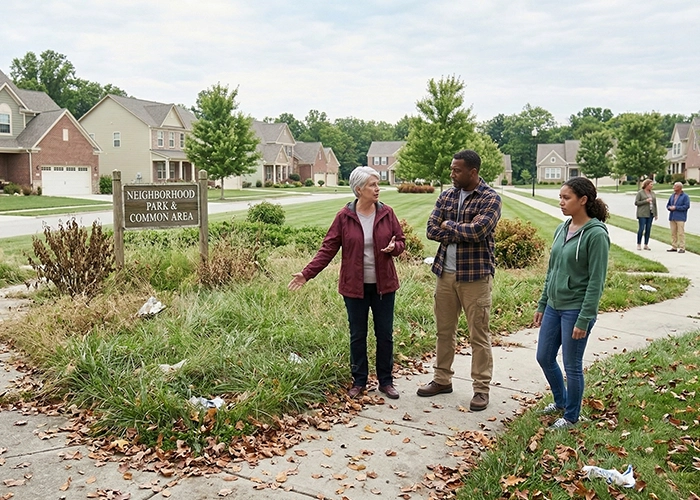
When a community finds itself with no HOA board, the most pressing issue is the sudden lack of leadership for daily operations. Without a functional board, there is nobody authorized to sign checks, pay the utility bills for common areas, or manage the insurance policies that protect the neighborhood. This often leads to a rapid decline in the appearance of the community as landscaping contracts go unpaid and maintenance issues are ignored.
The financial health of the association is usually the first thing to suffer during these periods of inactivity. If there is no board to approve the annual budget or oversee the collection of dues, the reserve funds can quickly dwindle. Most state laws and governing documents require a minimum number of directors to conduct official business, meaning that without them, the association is effectively paralyzed.
Living in a neighborhood where the governing body has vanished creates an environment of uncertainty for potential buyers and current residents. When a home goes up for sale, lenders often look for a healthy association and a functional board before approving a mortgage. A lack of leadership can make it nearly impossible for owners to sell their property or refinance their existing loans.
How Communities End up without Leadership
There are several reasons why a neighborhood might find themselves in this predicament, but it usually starts with a lack of volunteer interest. Serving on a board is a thankless job that requires a significant time commitment and a thick skin for dealing with neighbor disputes. When veteran board members step down and no one is willing to take their place, the seats simply remain empty.
In some cases, a mass resignation occurs because of internal conflict or legal threats that make the position feel too risky for a volunteer. If the community atmosphere becomes toxic, even the most dedicated residents might decide that the stress is no longer worth it. This leaves the association in a vulnerable state where the corporate status could eventually be administratively dissolved by the state.
Total HOA dissolution is another path, though it is a much more formal and difficult process than simply having empty seats. It usually requires a supermajority vote from all homeowners and a clear plan for what happens to the common property. Most neighborhoods find that maintaining the association is a better path than trying to navigate the legal maze of a full dissolution.
The Reality of Court-Appointed Receivership
If a community remains stuck with no leadership for too long, a judge may step in to appoint a receiver to run the association. This is often the most expensive outcome for homeowners because a receiver is a professional who charges an hourly rate to handle every single board duty. They are not there to be a friendly neighbor; they are there to fix the books and ensure the bills are paid.
A receiver has the power to make significant changes without needing the approval of the homeowners. They can:
- Raise monthly assessments to cover the costs of their own fees and back-logged maintenance.
- Levy special assessments to repair common areas that were neglected during the vacancy.
- Enforce CC&Rs and initiate foreclosures on residents who are behind on their dues.
- Enter into long-term contracts for services like trash pickup and pool maintenance.
While a receiver can get a community back on track, the loss of local control is often frustrating for residents. You lose the ability to have a say in how your money is spent or which projects are prioritized for the year. It is almost always in the best interest of the community to find volunteers and avoid this level of court intervention.
Why Professional Management Matters during a Vacancy
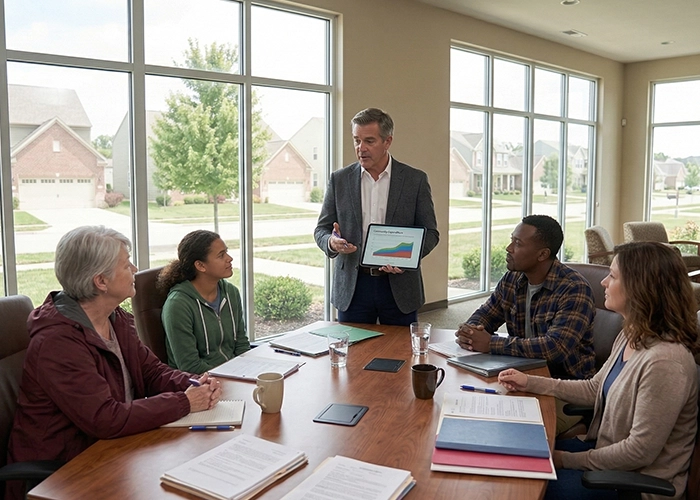
A professional management company acts as a vital bridge when a community is struggling to find enough volunteers for the board. While the manager cannot legally replace the board or make policy decisions, they can handle the heavy lifting of administrative tasks. Having a professional team in place ensures that the bills are paid and the records are kept in order while the search for new leaders continues.
Management companies provide a level of continuity that is hard to maintain when boards are constantly changing or going through a dry spell. They understand the state statutes and the specific requirements of your governing documents, which helps prevent the association from falling out of legal compliance. This expertise is especially helpful when trying to recruit new members who might be intimidated by the complexity of the role.
By taking the “busy work” off the plates of the volunteers, a management company makes the board position much more attractive to busy professionals. When a resident knows they only have to focus on big-picture decisions instead of chasing down contractors, they are much more likely to step up. This partnership is often the key to moving a neighborhood away from the brink of receivership and back toward a healthy, self-governed status.
Steps to Restore Your Association Board
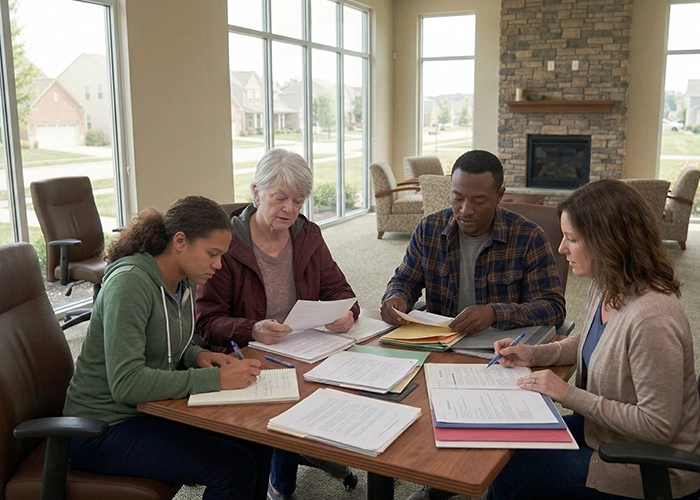
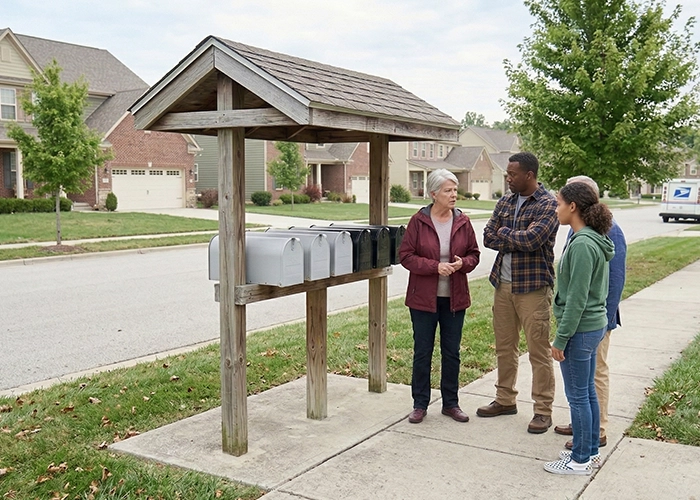
If you are currently living in a neighborhood with no board, the first step is to gather a group of concerned neighbors to discuss the situation. You do not need a formal meeting to start talking about the risks of losing your property values or facing a court-appointed receiver. Often, just a few conversations at the mailbox are enough to spark interest in saving the community.
Once you have a small group, you should review your bylaws to see how to call a special meeting for the purpose of electing a new board. Even if the previous board is gone, the governing documents usually provide a path for the members to call a meeting themselves. It might take some legwork to get the word out, but the future of your investment depends on getting people to show up.
- Review the current financial status and any outstanding debts of the association.
- Reach out to a management professional to see if they can help facilitate an emergency election.
- Identify a slate of candidates who are willing to serve for at least a one-year term to stabilize the ship.
- Distribute proxies to ensure you meet the quorum requirements for a valid vote.
- Hold the election and immediately notify the state and your insurance carriers of the new leadership.
Moving Forward with a Fresh Perspective
The goal of a new board should be to rebuild trust and transparency within the neighborhood. Many times, the lack of volunteers is a result of people feeling like their voices aren’t heard or that the board is a closed circle. By holding open meetings and sharing regular updates, the new leaders can create a culture where people feel comfortable getting involved.
It is also a good time to look at why the previous board was unable to find replacements. If the workload was too high, it might be time to delegate more tasks to a professional management team or create committees to handle specific areas like landscaping or social events. Spreading the responsibilities around makes the job sustainable and prevents the burnout that leads to vacancies.
Taking the Helm Again
Bringing a community back from a period of no leadership is a major achievement that protects everyone’s property values. It takes a little bit of courage to be the one to step up, but the rewards of a well-run, stable neighborhood are worth the effort. With the right support and a clear plan, your community can thrive once again.
Is your community struggling with a vacant board or feeling the weight of mismanagement? Contact Harbour Master Management Group today to see how our seasoned guidance can help steer your association back toward a stress-free future.