
When it comes to housing within a community, the choice between attached vs detached homes can shape everything from lifestyle to long-term maintenance. For HOAs, this distinction also impacts budgeting, rules, and overall property management. Understanding these differences helps both board members and homeowners make more confident decisions.
Attached vs Detached Homes: What Is the Difference?
At a glance, the difference between attached and detached homes seems simple. One shares walls, and the other stands alone. In practice, though, the distinction affects daily living, costs, and how an HOA operates.
Attached homes are properties that share at least one wall with another unit. These often include townhomes, duplexes, and condominiums. Because structures are connected, responsibilities are usually shared in some form, especially when it comes to exterior maintenance.
Detached homes, on the other hand, are fully independent structures. They sit on their own lot and do not share walls with neighboring homes. This setup offers more autonomy, but it also shifts more responsibility onto the homeowner.
For HOA communities, this difference goes beyond structure. It often determines how rules are written, how maintenance is handled, and how budgets are allocated.
How Attached Homes Function in an HOA
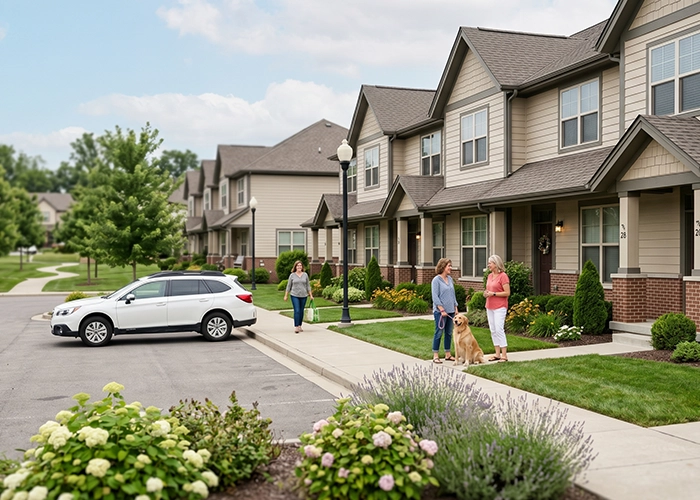
Attached homes tend to create a more collective living environment. Since buildings are physically connected, decisions about maintenance and repairs often affect multiple homeowners at once.
In many HOAs, exterior elements such as roofing, siding, and landscaping are managed by the association. This approach keeps the community looking consistent and reduces the burden on individual homeowners. However, it also means residents rely on the HOA to handle issues in a timely and efficient manner.
There is also a shared aspect of living that comes into play. Noise can travel between units, and close proximity to neighbors is part of the experience. For some, this creates a sense of community. For others, it may require some adjustment.
How Detached Homes Operate in HOA Communities
Detached homes offer a different dynamic. Each property stands on its own, which gives homeowners more control over their space and how it is maintained.
Even within an HOA, responsibilities are usually more individualized. Homeowners are often in charge of their own roofs, yards, and exterior upkeep. The HOA may still enforce standards, but it typically does not handle day-to-day maintenance for each home.
This setup can appeal to those who value privacy and independence. At the same time, it requires a greater level of involvement from homeowners. Tasks that might be handled by an HOA in an attached community are now personal responsibilities.
Key Differences That Impact Daily Living
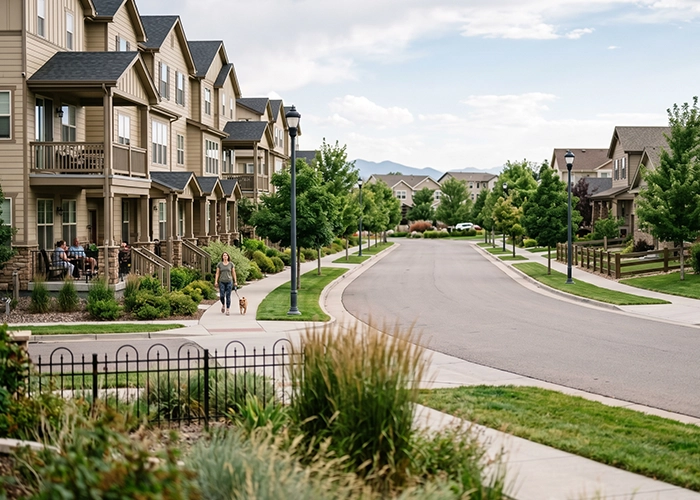
When comparing attached vs detached homes, the differences show up in everyday life. These factors often influence a homeowner’s overall satisfaction with their property.
- Privacy Levels
Attached homes involve shared walls, which can lead to more interaction with neighbors. Detached homes provide more physical separation, offering a quieter environment. - Maintenance Responsibilities
In attached communities, exterior maintenance is often shared or managed by the HOA. Detached homeowners usually handle their own upkeep. - Cost Structure
Attached homes may have higher HOA fees since more services are included. Detached homes may have lower fees, but homeowners pay directly for maintenance and repairs. - Space and Layout
Detached homes generally offer larger lots and more outdoor space. Attached homes often maximize interior living space within a smaller footprint.
These differences highlight how lifestyle preferences play a major role in choosing the right type of home.
Financial Considerations for Homeowners and HOAs
Costs are always part of the conversation when discussing housing types. The financial structure of attached vs detached homes can vary significantly.
In attached communities, HOA fees are typically higher. This is because the association takes on more responsibility, including exterior maintenance, insurance for shared structures, and sometimes utilities. While the monthly cost may be higher, it often covers services that homeowners would otherwise pay for individually.
Detached homes often come with lower HOA dues. However, homeowners should be prepared for out-of-pocket expenses related to maintenance and repairs. Over time, these costs can add up, especially if major work is needed.
From an HOA perspective, budgeting for attached homes can be more complex. Shared structures require long-term planning, reserve studies, and coordinated repairs. Detached communities may have simpler budgets, but enforcement of maintenance standards becomes more important.
Maintenance and Upkeep: Who Handles What?
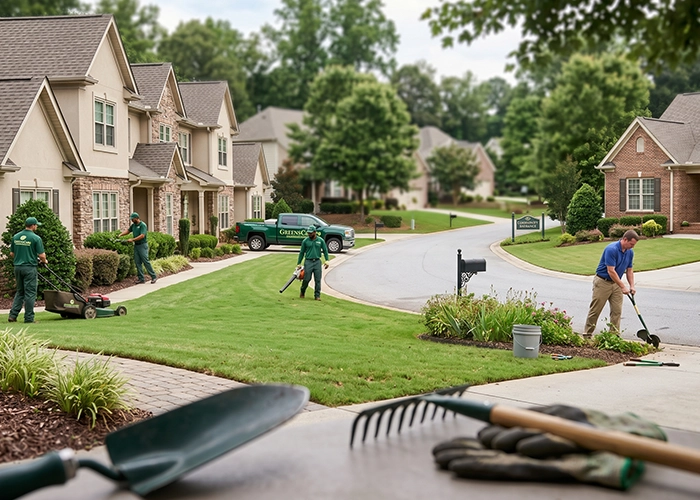
Maintenance is one of the most noticeable differences between these two housing styles. It also tends to be one of the most discussed topics within HOA communities.
In attached home communities, maintenance responsibilities are often divided between the HOA and homeowners. The association may handle:
- Roof repairs and replacements
- Exterior painting and siding
- Landscaping for common areas
- Structural maintenance
Homeowners typically handle interior maintenance, such as plumbing, electrical work, and finishes.
In detached communities, homeowners take on a larger share of responsibility. This includes both interior and exterior maintenance. The HOA may still manage common areas, but individual homes are usually not part of that scope.
This difference can influence how attractive a property is to certain buyers. Some prefer the convenience of shared maintenance, while others value having full control.
Insurance and Liability Considerations
Insurance is another area where attached vs detached homes differ in important ways. These differences can affect both homeowners and the HOA.
In attached communities, the HOA often carries a master insurance policy that covers shared structures. Homeowners then carry individual policies to cover their personal belongings and interior elements. This layered approach can simplify certain claims, but it requires clear communication about coverage limits.
Detached homes typically require homeowners to carry full insurance for their property. The HOA may still have a policy for common areas, but individual homes are usually not included.
Liability can also vary. In attached communities, issues like water leaks or structural damage may involve multiple units. This can lead to more complex claims and coordination between parties. Detached homes usually involve fewer shared risks, which can simplify the process.
Community Feel and Lifestyle Preferences
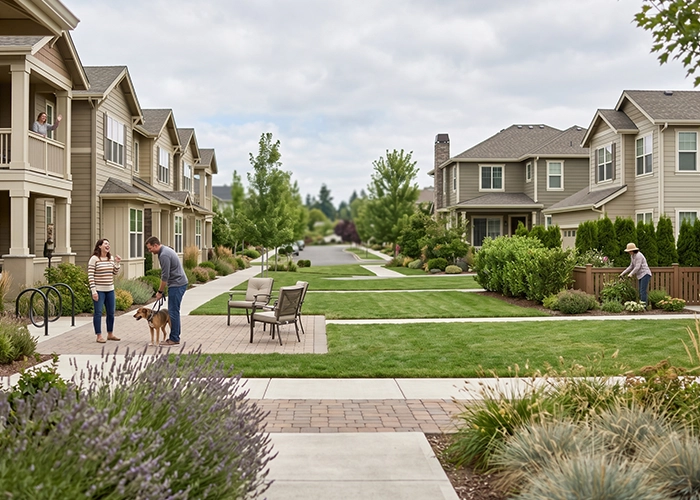
The type of home you choose often reflects the kind of lifestyle you want. Attached and detached homes create different living environments, even within the same HOA.
Attached communities often feel more connected. Neighbors are closer together, and shared spaces are more common. This can foster a sense of community and make it easier to build relationships.
Detached communities tend to offer more separation. Homeowners may have more space and fewer day-to-day interactions with neighbors. For some, this creates a more relaxed and private living experience.
Neither option is better across the board. It comes down to what residents value most in their living environment.
Resale Value and Market Appeal
Real estate trends show that both attached and detached homes can hold strong value, but they appeal to different types of buyers.
Attached homes often attract first-time buyers, retirees, and those looking for low-maintenance living. Their affordability and convenience make them appealing in many markets.
Detached homes tend to attract buyers who prioritize space, privacy, and long-term investment potential. These properties often come with higher price points but may also see stronger appreciation over time.
For HOAs, understanding these trends can help guide decisions about community planning and improvements. A well-maintained community, regardless of housing type, is more likely to retain value.
HOA Rules and Governance Differences
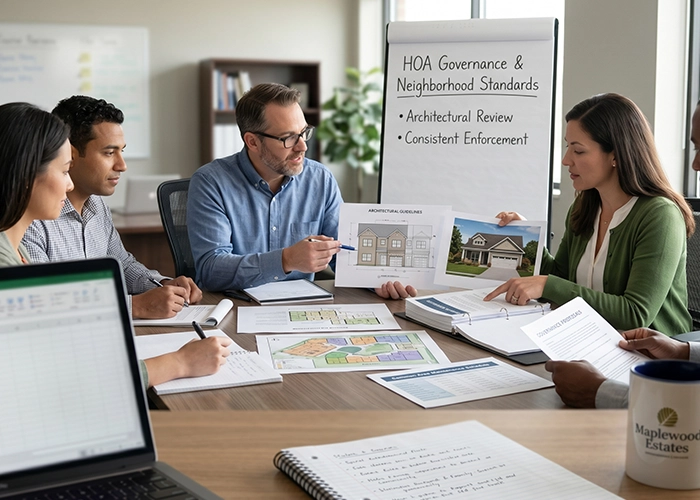
The structure of a community influences how rules are written and enforced. Attached vs detached homes often require different approaches to governance.
In attached communities, rules may be more detailed. Since properties are connected, changes to one unit can affect others. Guidelines around exterior modifications, noise, and shared spaces are often stricter.
Detached communities may allow for more flexibility. Homeowners have greater control over their property, but the HOA still enforces standards to maintain consistency. This might include guidelines for landscaping, exterior colors, and property upkeep.
Effective governance depends on clear communication. Homeowners should understand what is expected of them, and boards should apply rules consistently.
Pros and Cons of Each Housing Type
When weighing the options, it helps to look at the advantages and drawbacks of each type of home.
Attached Homes
- Lower individual maintenance responsibilities
- Strong sense of community
- Higher HOA fees
- Less privacy
Detached Homes
- Greater privacy and space
- More control over property
- Higher individual maintenance responsibilities
- Potentially higher long-term costs
These factors often guide buyers toward the option that best fits their needs.
Choosing the Right Fit for Your Community
For HOA boards and developers, the decision between attached and detached homes can shape the identity of a community. Each option comes with its own set of challenges and opportunities.
Attached homes may be ideal for communities focused on convenience and shared living. They can support amenities and services that benefit all residents. Detached homes may be better suited for communities that prioritize space and independence.
The key is to align the housing type with the goals of the community. This includes considering the target market, long-term maintenance plans, and overall vision.
Key Takeaways on Finding the Right Balance
Choosing between attached vs detached homes is not just about structure. It is about how people want to live and what they value in a community.
Harbour Master Management Group is here to help you navigate every detail with clarity and confidence. Reach out today to learn how professional HOA management can support your community’s long-term success.
Related Articles:
- HOA Mailbox Rules: Maintenance, Repairs, and Resident Responsibilities
- HOA Strategy Plan: How Strong Planning Shapes a Better Community
- Managing Organized Sports in HOAs: Building Fitness, Safety, and Community
Golf clubs in HOAs often shape the identity and lifestyle of a community. From social gatherings to property values, these amenities play a bigger role than many homeowners expect. Understanding how they function can help boards and residents make smarter decisions.
How Golf Clubs in HOAs Shape Community Living
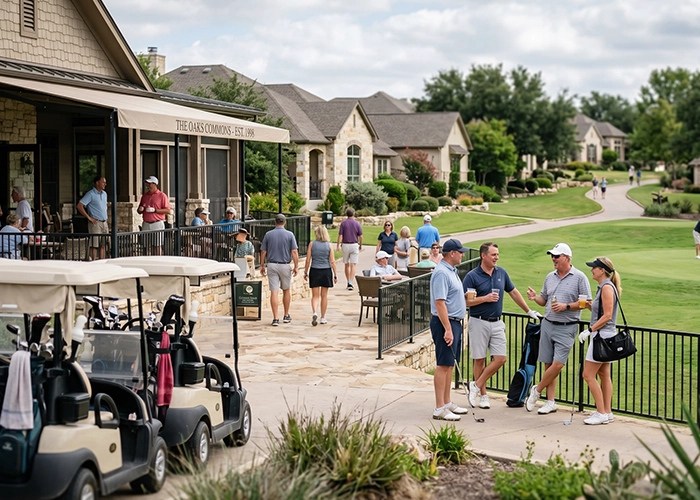
Golf clubs in HOAs are more than recreational spaces. They often serve as a central hub where residents connect, unwind, and build relationships. In many communities, the presence of a golf course sets the tone for the neighborhood’s culture.
These clubs can influence everything from home design to daily routines. Early morning tee times, weekend tournaments, and social events create a rhythm that becomes part of everyday life. For some residents, the golf club is the reason they chose the community in the first place.
At the same time, expectations need to be managed. Not every homeowner uses the golf course, yet everyone may feel its financial or operational impact. This balance is where HOA leadership plays a critical role.
Understanding Ownership and Management Structures
Not all golf clubs in HOA communities operate the same way. The structure behind the club often determines how it affects homeowners.
Some communities own and manage the golf course directly. In these cases, the HOA is responsible for maintenance, staffing, and budgeting. This setup offers more control but also increases financial responsibility.
Others partner with third-party operators. A private company may handle daily operations while the HOA oversees broader agreements. This arrangement can reduce administrative burden but may limit flexibility.
There are also hybrid models where ownership and operations are shared. These setups require clear communication and well-defined contracts to avoid confusion.
Financial Considerations for Homeowners

Golf clubs can enhance a community, but they also come with costs. These expenses are often shared among homeowners, whether they play golf or not.
Here are some common financial factors to consider:
- Membership Fees: Some communities require mandatory golf memberships, while others offer optional access.
- HOA Dues Allocation: A portion of dues may be used for course upkeep, landscaping, and staffing.
- Capital Improvements: Renovations and upgrades can lead to special assessments.
- Operational Deficits: If the club does not generate enough revenue, the HOA may need to cover the gap.
These financial elements should always be communicated clearly. When homeowners understand where their money goes, it reduces frustration and builds trust.
Rules and Regulations That Keep Things Running
Golf clubs in HOAs operate under a set of rules designed to maintain fairness and safety. These guidelines help ensure that the facility remains enjoyable for everyone.
Typical rules may include:
- Tee Time Scheduling Policies to prevent overcrowding
- Dress Codes that reflect the community’s standards
- Guest Access Limits to balance resident use with outside play
- Course Etiquette Requirements such as pace of play and noise control
Boards should review these policies regularly. As communities grow and change, rules may need updates to stay relevant.
The Impact on Property Values
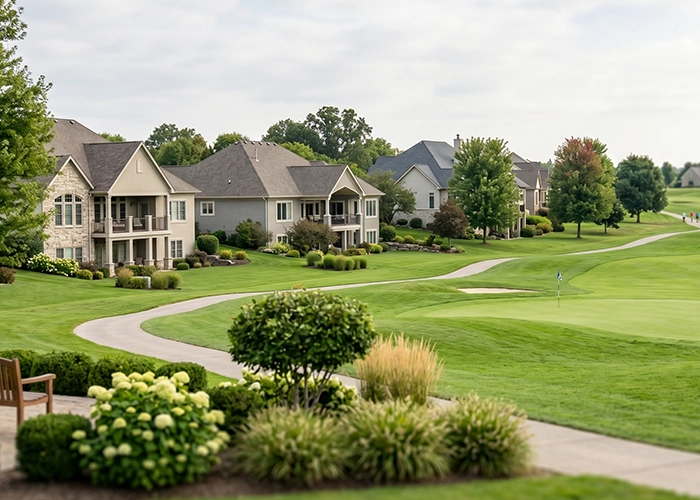
One of the biggest draws of golf clubs in HOAs is their effect on home values. Properties located near or within golf course communities often command higher prices.
Buyers are attracted to the views, open space, and lifestyle benefits. A well-maintained course can make a strong first impression and increase demand.
However, the opposite can also be true. If the golf course falls into disrepair, it can negatively affect property values. Maintenance and long-term planning are essential to protect the investment.
Social and Lifestyle Benefits
Golf clubs provide more than just a place to play. They create opportunities for social interaction and community engagement.
Residents often enjoy:
- Tournaments and Events that bring neighbors together
- Clubhouse Gatherings such as dinners and celebrations
- Networking Opportunities within a relaxed setting
- Recreational Activities beyond golf, like fitness or dining
These experiences help build a sense of belonging. In many HOA communities, the golf club becomes a shared space where friendships grow naturally.
Challenges HOA Boards Should Anticipate

Managing a golf club is not without its challenges. HOA boards must navigate both operational and community concerns.
Some common issues include balancing budgets, addressing complaints, and maintaining consistent quality. Weather conditions can also affect course upkeep, leading to unexpected costs.
Another challenge involves differing resident expectations. Golf enthusiasts may want expanded services, while non-players may question the expense. Finding common ground requires thoughtful communication and transparency.
Best Practices for Managing Golf Clubs in HOAs
To keep operations smooth, HOA boards should follow a few proven strategies.
- Maintain Clear Financial Reporting so homeowners understand expenses
- Conduct Regular Surveys to gather resident feedback
- Plan for Long-Term Maintenance to avoid sudden costs
- Partner With Experienced Operators when needed
- Review Governing Documents to ensure compliance
Strong management helps prevent small issues from becoming larger problems. It also ensures that the golf club continues to add value to the community.
Legal and Insurance Considerations

Golf clubs introduce unique risks that HOAs must address. Liability is one of the most important concerns.
Insurance coverage should include protection against accidents, property damage, and potential claims. Waivers and safety protocols can also reduce risk.
Additionally, governing documents should clearly outline responsibilities. This includes maintenance obligations, usage rights, and financial commitments.
Working with legal and insurance professionals can help boards stay compliant and protected.
Planning for the Future of Golf Communities
The role of golf clubs in HOAs is evolving. Some communities are rethinking how these spaces are used to meet changing preferences.
Younger homeowners may prioritize flexibility, while others still value traditional golf experiences. As a result, some communities are adding multi-use features such as walking trails or event spaces.
Forward-thinking boards consider these trends when planning upgrades or renovations. Adapting to resident needs helps ensure long-term success.
Where Recreation Meets Responsible HOA Planning
Golf clubs in HOAs can elevate a community when managed well. They offer lifestyle benefits, enhance property values, and create meaningful connections among residents.
Looking to improve how your HOA manages shared amenities like golf clubs? Harbour Master Management can help you. Call us at 401-414-5130 or contact us online to see how expert guidance can support your community’s long-term success.
Related Articles: