
Communities with large footprints or complex amenities often need a more hands-on leadership style to stay organized and responsive. An HOA on-site manager brings that steady presence by working directly from within the neighborhood. This approach creates faster communication, clearer oversight, and a more supportive experience for residents.
The Role of the HOA On-site Manager
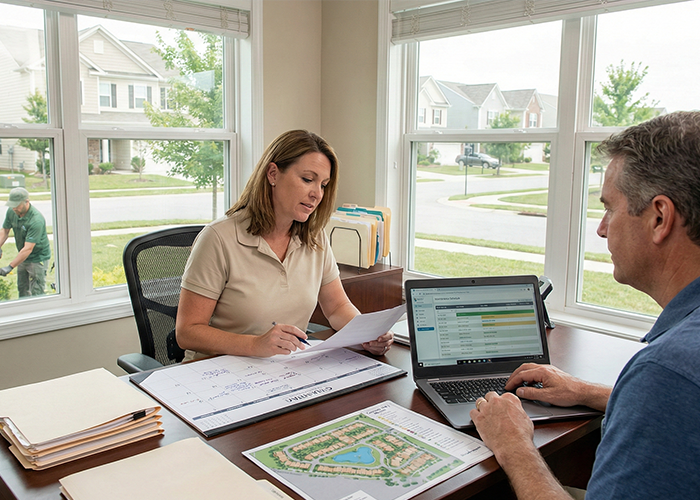
The HOA on-site manager plays a uniquely local role by working from a dedicated office inside the community instead of a headquarters miles away. That proximity gives the manager direct insight into daily activity, resident needs, and ongoing maintenance concerns that often require immediate attention. As a result, the board gains a reliable partner who understands the rhythm of the community.
A portfolio manager can deliver strong support, but their time is shared among several associations. The on-site manager focuses solely on one property, which creates a deeper understanding of the neighborhood’s layout, governing documents, and resident expectations. That familiarity often leads to quicker responses and more informed decisions.
Even with this close connection, the manager still works under the direction of the professional management company and the volunteer board. Their role centers on carrying out policies, supervising daily operations, and serving as the community’s consistent point of contact. Many associations rely on this presence to keep operations moving smoothly from one day to the next.
Core Functions of an HOA On-site Manager

The manager handles a wide range of tasks that blend customer service, operations, and administrative support. Because they work inside the community, many issues can be addressed immediately rather than waiting for an off-site response.
Daily Oversight and Vendor Coordination
Daily inspections allow the manager to catch small issues before they grow. A burnt lightbulb, leaning sign, or damaged sprinkler head can be addressed quickly because the manager can walk the property and verify concerns in real time. Small improvements add up, and the community benefits from a more polished and well-maintained environment.
Vendor oversight becomes more effective when the manager can greet crews, confirm schedules, and observe work as it happens. Landscapers, pool technicians, and security teams often perform better when someone can monitor their progress. This consistency helps the board enforce contract requirements and maintain quality standards.
Work Order Processing and Resident Support
Work orders often move faster with an on-site office. A resident can report a concern, and the manager can immediately check the location, document the issue, and assign the appropriate vendor. This quick turnaround reassures residents that their needs are being taken seriously.
The physical office also gives homeowners a predictable place to ask questions or submit forms. Some residents prefer face-to-face interactions, and the on-site manager bridges that gap. These daily conversations help build trust and reduce confusion about policies, procedures, and expectations.
Administrative and Financial Responsibilities
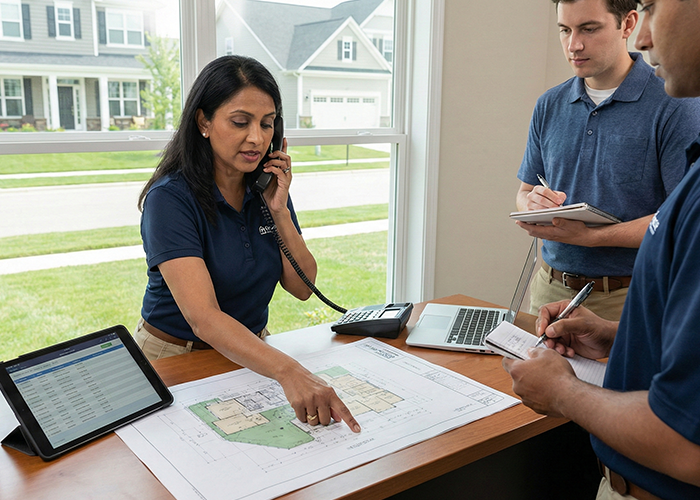
Although the manager is often seen around the property, much of their work happens behind the scenes. Community administration requires careful recordkeeping, financial coordination, and ongoing communication with the management company.
Budget Assistance and Financial Coordination
Budget preparation becomes more accurate when someone who knows the property’s needs contributes real data. The manager can provide details such as utility patterns, vendor pricing, and maintenance needs that help the board forecast costs. This information strengthens long-term planning and keeps the association prepared for upcoming expenses.
Assessment collection support is another key responsibility. The manager often helps homeowners understand balances, fee schedules, and payment processes. They can also prepare documentation for delinquency procedures if the board requires it. Having someone on-site adds clarity and encourages prompt communication.
Records Management and Architectural Oversight
Organized and accessible records help keep the association compliant. The manager oversees documents such as governing policies, homeowner files, and architectural applications. Even when stored digitally, these materials must be tracked carefully, and the on-site manager plays a central role in maintaining accuracy.
Architectural requests benefit from the manager’s presence. They can receive applications, monitor progress, and confirm that approved changes match submitted plans. These site visits support the Architectural Review Committee and help preserve community standards.
Governance Support and Policy Enforcement
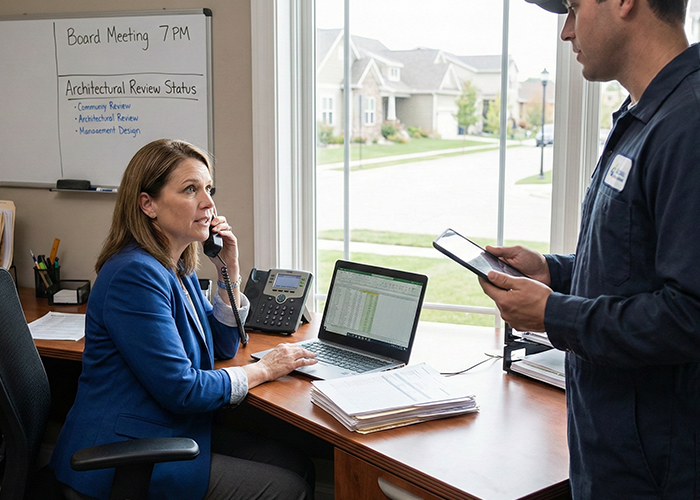
Serving as the direct connection between the board and the community gives the on-site manager an important position in governance. Their support helps the board operate smoothly and remain focused on policy rather than day-to-day tasks.
Board Meeting Support
Preparing board meeting packets, coordinating schedules, reserving meeting rooms, and gathering reports are common responsibilities for the on-site manager. These tasks take time, and having someone dedicated to them helps the board concentrate on decision-making.
The manager often attends meetings as a factual resource. They can update the board on maintenance timelines, vendor performance, or resident concerns. This real-time information strengthens discussions and keeps the board fully informed during policy decisions.
Consistent and Objective Enforcement
Rule enforcement can be sensitive, especially when board members live next door to the people involved. The on-site manager provides an impartial voice. They document violations, issue notices as required by the governing documents, and monitor corrections.
This documentation is essential when enforcement escalates. Clear notes, dated photos, and consistent follow-through help protect the association and support fair treatment of all residents. The manager’s neutrality also helps lower tension, since policy enforcement never becomes personal.
When an HOA On-site Manager Brings the Most Value

Not every association needs a full-time manager on the property. Smaller neighborhoods may run efficiently with a portfolio manager. However, certain types of communities often see significant improvements when an on-site manager is added.
Large communities with hundreds of homes benefit from continuous oversight because more residents usually mean more requests and more activity. Amenities with frequent use, such as clubhouses, pools, trails, or fitness centers, require extra attention that an on-site manager can provide.
Properties undergoing major upgrades or dealing with aging infrastructure also gain value from immediate monitoring. An older roof, lake system, or irrigation network may need regular checks, and the manager can identify issues before they grow into costly repairs.
Neighborhoods with steady vendor traffic or frequent move-ins and move-outs often find that on-site leadership keeps operations more organized. The cost of adding this position is usually offset by improved maintenance, better communication, and fewer service delays.
Why the On-site Manager Enhances Community Operations
The HOA on-site manager brings more than operational support. Their presence creates stability, strengthens communication, and ensures that policies are carried out consistently. Many communities rely on this role to maintain order, protect property values, and support a smoother living experience.
A visible and accessible manager often becomes the community’s anchor. Residents know where to go for answers, and the board gains a dependable partner who understands both the property and its people. This combination often results in a stronger sense of trust throughout the neighborhood.
A Steady Presence for Community Success
An HOA on-site manager can transform the way a large or complex community operates. Their close connection to daily activity, paired with professional management experience, helps maintain a well-organized and responsive environment. When associations invest in this role, they often see clearer communication, stronger oversight, and better long-term outcomes.
A planned community usually comes with shared standards, common spaces, and rules that guide how the neighborhood operates. Understanding what is an HOA helps homeowners see why these associations matter and how they support the long-term stability of the community. While the structure may feel unfamiliar at first, the way an HOA functions brings clarity to everyday expectations and the overall health of the neighborhood.
Understanding What Is an HOA
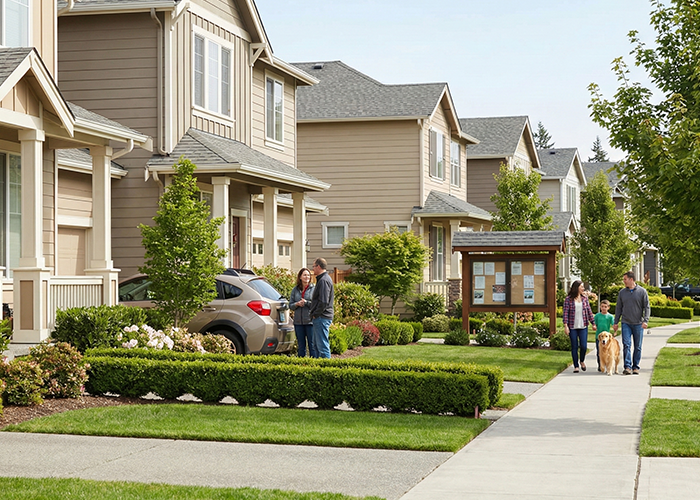
An HOA refers to a non-profit corporation formed to oversee the shared interests, assets, and responsibilities of a residential community. Once you purchase a home within its boundaries, you automatically become a member. This membership links you to the rules, financial obligations, and governance structure that shape community life.
The HOA serves as the community’s operating framework. It helps keep the neighborhood well maintained, financially sound, and visually consistent. This consistency protects property values and ensures that individual choices do not negatively affect nearby homes. Even small details, such as paint colors or landscaping standards, connect back to a broader effort to maintain an appealing environment.
Most associations rely on a hierarchy of legal documents. These include the Covenants, Conditions, and Restrictions and the Bylaws. Together, they outline how the community should function, which rights homeowners hold, and what limitations apply. These documents form the legal backbone of the association and influence nearly every decision that follows.
The Core Structure of HOA Governance

Community governance rests on three major components: the governing documents, the elected board, and the membership. Each one plays a distinct role, yet all three must work together for the HOA to operate effectively.
Governing Documents as the Legal Foundation
Governing documents guide how the community behaves and what standards it must follow. The CC&Rs contain long-term restrictions that apply to every property. They often address architectural guidelines, noise limits, and rules about business activity within the neighborhood. Because these restrictions attach to the land, changes usually require strong homeowner approval.
The Bylaws handle the internal mechanics of the association. They explain how board elections work, which officers are required, and how meetings should be conducted. Rules and Regulations act as day-to-day guidelines. While more adaptable than the CC&Rs, they still function as enforceable standards for areas like pool access, trash placement, or parking.
The Elected Board as the Community’s Leadership
The Board of Directors consists of volunteer homeowners chosen by fellow residents. These individuals take on the responsibility of making decisions that affect the entire community. Since they act as fiduciaries, their choices must serve the best interests of the HOA rather than personal preferences.
Board duties cover a wide range of tasks. They approve the annual budget, select vendors, interpret rules, and address compliance concerns. They also oversee major repairs, legal matters, and long-term planning. Although they hold significant authority, their actions must align with state laws and the governing documents.
The Membership as the Final Authority
The homeowners themselves serve as the association’s ultimate decision-making body. Members elect the board, vote on amendments, and voice concerns during meetings. While they may not handle daily business, their engagement shapes the HOA’s long-term direction.
Active participation strengthens the community’s stability. When homeowners understand their rights and responsibilities, they create an environment where communication feels smoother and governance becomes more transparent. An informed membership also encourages accountability at all levels.
Understanding Assessments and HOA Finances

HOA operations depend on assessments, which are mandatory fees paid by each homeowner. These funds support both immediate needs and future obligations. Strong financial planning helps avoid unexpected costs and makes sure common areas remain safe, functional, and attractive.
The Operating Budget for Day-to-Day Needs
Part of each assessment goes toward the Operating Budget. This budget covers regular services such as landscaping, janitorial work, pool care, and utility costs for common areas. Insurance premiums, management fees, and routine repairs also fall under this category.
The operating budget focuses on the essentials that keep the community running smoothly. Clean streets, well-kept landscaping, and functioning amenities all originate from these ongoing expenses. Without consistent funding, the neighborhood’s appearance and safety would decline.
The Reserve Fund for Long-Term Planning
Another portion of assessments supports the Reserve Fund. This fund exists to replace or repair major shared components as they age. Examples include the clubhouse roof, exterior paint, pool resurfacing, or roadwork. These items carry large price tags and follow predictable life cycles.
A professional Reserve Study helps the association determine how much it should save each year. This study reviews every major asset, estimates its remaining lifespan, and calculates appropriate contribution levels. Communities with healthy reserves protect themselves from sudden special assessments, which may otherwise place heavy financial strain on homeowners.
Maintenance, Enforcement, and Professional Management

Much of an HOA’s daily work falls into three core categories: maintaining shared property, enforcing the rules, and carrying out administrative duties.
Maintaining Common Areas
Common areas belong to all homeowners collectively, so regular care remains a high priority. These areas may include pools, clubhouses, tennis courts, playgrounds, greenbelts, and private streets. Landscaping, repairs, and upkeep often represent the largest portion of the annual budget.
In condominiums and some townhome developments, the association’s responsibilities expand to include the exterior structure of each building. This arrangement shifts costs from individual owners to the HOA as a whole. While this reduces personal maintenance, it also makes accurate budgeting and reserve planning even more important.
Rule Enforcement Within the Community
Rule enforcement supports the shared standards that define the neighborhood. The board must apply these rules consistently and fairly. Many associations follow a progressive system that begins with a courtesy notice and may later involve fines or hearings if the violation continues.
Homeowners have the right to due process. This usually means they can attend a hearing or present their perspective before the board decides on a penalty. This fairness helps maintain trust and avoids unnecessary conflict among neighbors.
Professional Management as Administrative Support
Larger communities usually hire a management company to assist with daily duties. Managers collect assessments, coordinate vendors, oversee maintenance requests, and prepare reports for the board. Their role involves administration rather than decision-making.
The manager does not vote on policies or change rules. Instead, the manager carries out the board’s directives and helps ensure the community runs efficiently. This partnership allows volunteer leaders to focus on governance and planning rather than paperwork.
What an HOA Does Not Do
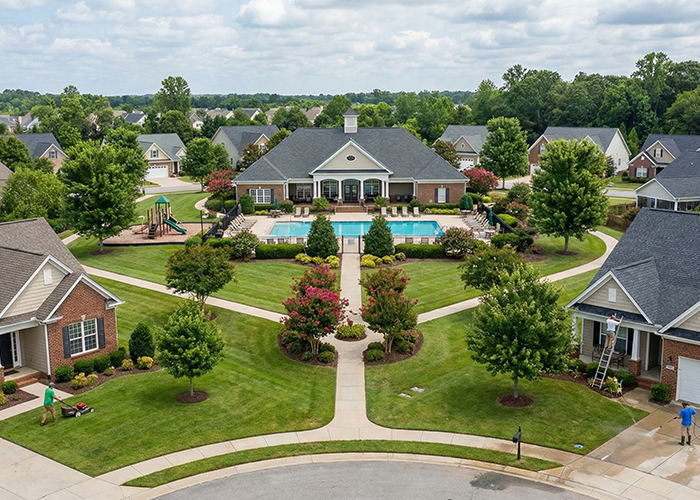
Clarifying what the HOA does not handle helps reduce misunderstandings. The association does not function as a social club, although committees may organize events. Its primary purpose remains legal and financial governance. It also does not act as a police force. Issues involving crime or public safety must be directed to local authorities.
The HOA also does not serve as a landlord for individual homes. Homeowners remain responsible for their interior maintenance and, in most single-family communities, their exterior repairs and landscaping. Knowing these boundaries prevents unrealistic expectations and smoother communication between residents and the board.
A Shared Path to Strong Community Living
A clear understanding of what an HOA is creates a more informed homeowner experience. Participation, responsible ownership, and support for the community’s financial health help the neighborhood thrive. When residents stay engaged, property values remain stronger and the environment becomes more enjoyable for everyone. This shared commitment benefits both the homeowner and the community as a whole.
Technology continues to shape how communities operate, and homeowners’ associations now rely on it more than ever. The key benefits of HOA tech adoption reach far beyond convenience, offering practical tools that strengthen governance, improve communication, and support long-term financial health. Modern platforms allow boards to work smarter while giving residents clearer access to information that affects their daily lives.
Understanding the Value of HOA Tech Adoption

Many associations notice meaningful improvements once they shift from paper-based systems to digital tools. The change provides smoother workflows and greater transparency for both the board and the membership. Older methods often create delays, invite avoidable mistakes, and place unnecessary strain on volunteers and management teams.
Digital platforms ease those challenges by automating routine tasks that once consumed significant time. Assessment processing, document delivery, and work order requests move faster through a tech-supported system. As these duties lighten, board members and managers gain opportunities to focus on deeper priorities such as long-range planning, financial oversight, and community engagement.
Another advantage involves record keeping. Digital platforms automatically create a reliable trail of documents, financial activity, and correspondence. This helps the association remain compliant with state requirements and builds trust with homeowners who appreciate clear, accessible information.
Financial Efficiency and Security in HOA Tech Adoption

Streamlining Assessment Payments
Online payment tools stand among the most widely used HOA technologies. Residents can pay through secure portals using automated clearing house transfers or credit cards. This convenience encourages timely payments and leads to steadier cash flow each month.
Fewer paper checks also reduce the risk of misplacement or manual entry errors. Many associations use lockbox services that route payments directly to the bank, which improves accuracy and speeds up financial reporting. These systems create a safer environment for handling money while keeping financial data organized and accessible.
Transparent Financial Reporting
Modern accounting software gives boards immediate access to accurate financial snapshots. Monthly reports, reserve balances, and invoice approvals become available with just a few clicks. The board gains a clearer understanding of the association’s financial condition without waiting for printed packets or manual updates.
This timely insight helps directors spot issues early. A budget variance, an unexpected expense, or a trend in aging receivables becomes easier to address when the information arrives quickly. Better visibility supports stronger decision-making and keeps fiduciary responsibilities on track.
Enhanced Communication and Resident Engagement

The Centralized Community Portal
A homeowner portal works as the central hub for all association information. Residents can review governing documents, meeting minutes, architectural guidelines, and account details at any time. This level of access reduces confusion and ensures everyone knows where to find accurate information.
The portal also streamlines requests. Work orders, architectural submissions, and account inquiries move through structured channels that document each step from submission to completion. This creates a predictable and organized experience for both residents and management staff.
Targeted and Timely Messaging
Email alerts and text notifications help associations keep residents informed throughout the year. Routine updates about maintenance schedules or community events reach the right people quickly. Emergency notices also move through these systems when unexpected issues arise, making communication more reliable during time-sensitive situations.
Because messages can be directed to specific groups, the association avoids overloading residents with unnecessary information. Clear and timely communication supports trust and reduces misunderstandings within the community.
Administrative and Governance Efficiency

Automated Work Order Management
Digital work order systems capture maintenance requests automatically and assign them to the appropriate vendor. Each request includes time stamps, descriptions, and cost details that remain stored for future reference. This creates a well-organized history of repairs and improvements across common areas.
The information collected supports better budgeting and reserve planning. Boards can review past repairs to identify patterns, anticipate costs, and evaluate vendor performance with greater accuracy.
Streamlined Enforcement Tracking
Covenant enforcement becomes more consistent with technology. Managers can document violations on mobile devices by recording photos, dates, and relevant rules. The system then generates a clear and compliant notice that maintains professional language and structure.
This objective documentation protects the association when disputes arise. Boards can rely on accurate evidence during hearings or appeals, reducing the risk of inconsistent enforcement or claims of unfair treatment.
Digital Voting and Meeting Management
Secure digital voting gives homeowners an easier way to participate in elections and amendments. Participation often increases because residents can vote from home without handling mail or attending in-person meetings. Certified voting platforms keep ballots confidential while producing immediate results that remain audit-ready.
Meeting preparation also becomes easier. Board packets, agendas, and minutes are generated through the management portal, reducing paperwork and improving organization. Clear records support smoother meetings and save time for everyone involved.
Mitigating Risk through Technology

Enhanced Security and Fraud Prevention
Modern HOA platforms rely on strong security features, including multi-factor authentication and permission-based access. These safeguards protect financial data and confidential homeowner information by ensuring only authorized users can view sensitive files. Automated payment systems also reduce physical handling of checks, lowering the chances of fraud.
Cloud storage provides another layer of protection. Regular backups prevent the loss of important documents in the event of fire, water damage, or other emergencies. This protects the association’s operational continuity during unexpected situations.
Transparency and Regulatory Compliance
Digital tools help associations meet state requirements regarding record access and document retention. Homeowners can review appropriate records within the portal, which keeps the process efficient and consistent. Sensitive information stays limited to those with proper authorization, helping the board balance openness with privacy obligations.
These platforms promote transparency while supporting strong governance practices. Boards gain confidence knowing their processes remain organized, compliant, and easy to audit.
A Future Built on Smarter HOA Management
HOA tech adoption offers a direct path to smoother operations, stronger financial controls, and improved communication. Online portals, automated systems, and digital workflows allow boards to reduce administrative burdens while enhancing the experience for residents. The right tools help create a well-managed environment that supports long-term stability and community confidence.
The election of an HOA’s Board of Directors shapes the community’s direction, financial priorities, and everyday experience for residents. Fair HOA board election rules help maintain trust and keep the process free from unnecessary disputes. A clear framework also guides owners, managers, and volunteers who take part in the election cycle.
Integrity in HOA Board Election Rules

A strong foundation of election rules supports the association’s duty to protect residents’ interests. Since board members influence policy and oversee finances, the process needs to follow well-defined requirements that keep every step fair. Clear standards also reduce concerns about bias or confusion, which helps the community feel more confident in the results.
State statutes sit at the top of the hierarchy and set the minimum legal requirements. Bylaws then provide the structure, such as terms of office, qualifications, and meeting requirements. An election policy may add more detail for transparency. Because state law always overrides any conflicting bylaw, legal compliance serves as the guiding principle for the entire process.
Written rules help prevent challenges later. When each stage, from the first notice to the final count, follows established expectations, homeowners gain assurance that the board values fairness. This structure also protects the association from unnecessary legal disputes and promotes a more constructive election season.
Candidate Eligibility and the Nomination Process
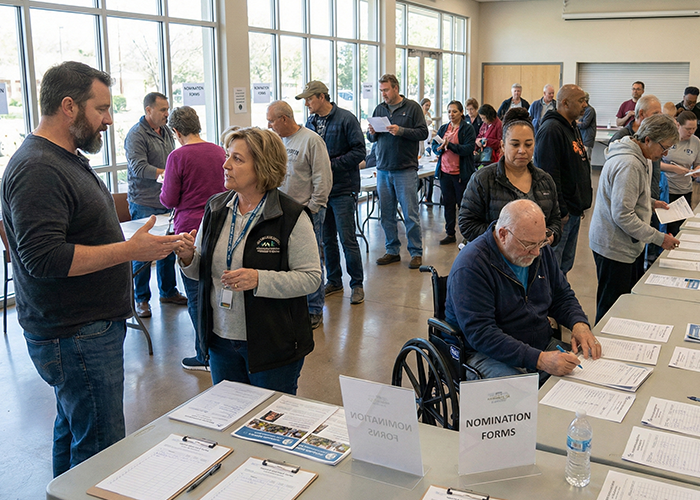
A fair nomination period begins with clear communication. Homeowners should receive advance notice that outlines deadlines, qualifications, and instructions for submitting interest. This step helps every eligible owner understand how to join the candidate pool.
Clear Qualifications for Service
Most associations rely on their governing documents to define who may serve on the board. Requirements may include owning a home, staying current on assessments, or maintaining compliance with major rules. These standards help ensure that candidates understand the responsibilities that come with volunteer leadership.
A board or nominating committee usually verifies eligibility. This review may involve confirming ownership records and checking payment status. Since the purpose is to protect the association from potential conflicts, a careful and neutral approach remains essential.
How the Nomination Window Works
The nomination window gives interested owners time to express their intent to run. Many states require a notice at least 60 to 90 days before the election, although exact timelines vary. The notice should tell owners how many seats are open, which qualifications apply, and when nominations close.
A written statement of interest often accompanies the nomination. This step helps confirm eligibility and also demonstrates that the candidate understands the responsibilities of the position. It creates a useful record as well, which comes in handy if concerns arise about fairness or communication.
Fair Voting Procedures for Homeowners
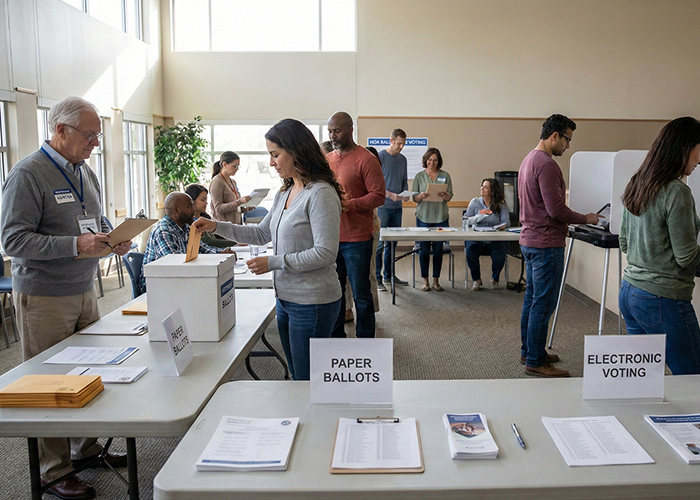
Every vote must be cast and counted in a way that protects accuracy and confidentiality. Modern communities have multiple options for voting, although the goal stays the same: an organized and impartial process.
Why Secret Ballots Matter
Secret ballots remain a common requirement in many states because they protect homeowners from pressure or retaliation. A voter should feel comfortable selecting candidates without worry that their preference will become public. This principle applies to both paper and electronic voting systems.
Electronic platforms must be able to separate identity verification from the vote itself. Paper ballots typically follow a two-envelope system: the ballot stays inside an inner envelope, while the outer envelope includes the voter’s signature. The inspector of elections later verifies signatures before removing the sealed inner envelope for counting.
Proxies and Absentee Participation
Rules for proxies differ among states, so associations must follow the legal definition closely. Some states allow general proxies, while others limit the use of directed proxies that specify how the vote should be cast. The goal is to maintain fairness without giving one person too much influence.
Absentee or mail-in ballots help improve participation, especially in larger communities. These ballots need to reach the association by a firm deadline. Once received, they must remain secure until the inspector begins the official count.
Meeting Requirements and the Vote Count
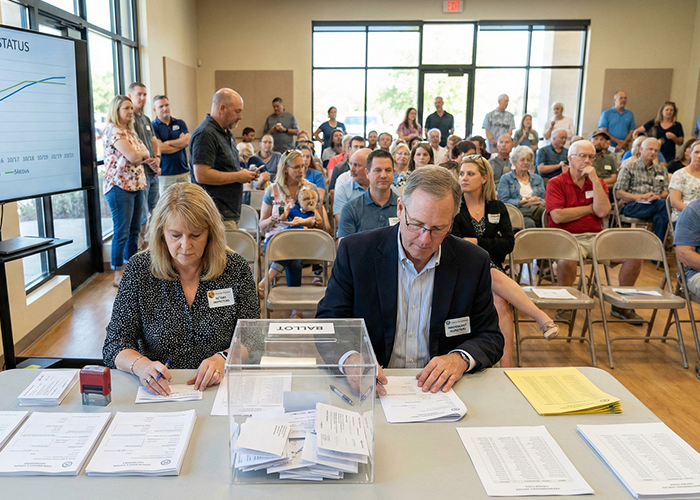
Although voting receives most of the attention, an election cannot take place unless the annual meeting reaches quorum. This step determines whether the community has enough participation to conduct official business.
Quorum as a Key Threshold
Quorum rules appear in the Bylaws and often set a percentage of owners who must be present in person or by proxy. Without quorum, the election cannot move forward, and the meeting must be adjourned. Some states allow reduced quorum requirements after repeated attempts, but associations still need strong communication to encourage involvement.
Quorum serves a practical purpose beyond legal compliance. It reflects how engaged the community is and signals whether the association can confidently proceed with decisions that affect everyone.
The Inspector of Elections
Many states require an independent inspector to oversee the vote. This neutral third party helps maintain integrity and prevents any suggestion that the board influenced the outcome. Inspectors may be notaries, CPAs, election vendors, or another qualified professional with no ties to current board members or candidates.
Their responsibilities often include verifying voter eligibility, securing ballots, counting votes, and certifying results. Having this impartial oversight reassures homeowners that no preferential treatment occurred during the process.
Post-Election Procedures and Record Management
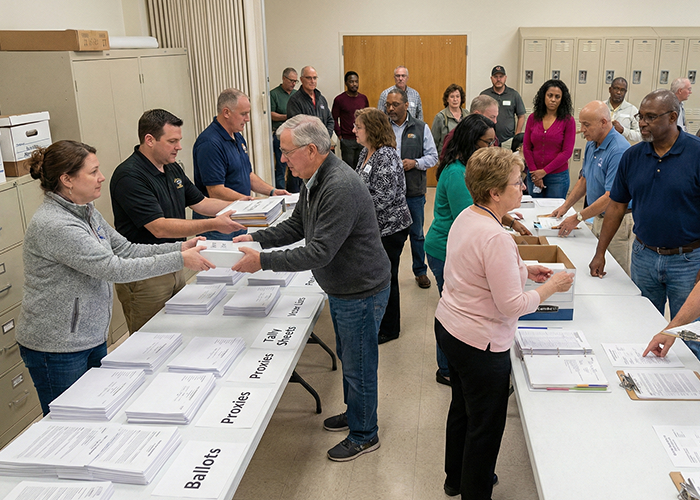
A smooth transition after the election is just as important as the voting itself. Proper documentation and clear communication help close the process respectfully and transparently.
Announcing Results and Seating Directors
Once the inspector certifies the results, the association informs the membership. The new directors then step into their roles, and outgoing members hand over any necessary records. This transition period supports continuity and reduces uncertainty about leadership responsibilities.
Meeting minutes must reflect the official results. Minutes serve as the permanent record proving that the association followed proper procedures and that the newly elected directors were seated according to the rules.
Retaining Election Records
State laws usually set strict retention requirements for election materials. Ballots, proxies, tally sheets, voter lists, notices, and the inspector’s certification must remain stored for a defined period. Keeping these documents safe protects the association if someone challenges the results later.
Record retention shows that the association takes transparency seriously. It also gives homeowners confidence that policies were followed and that the board is ready to address questions if they arise.
How Management Supports Election Compliance
The management company’s role centers on organization and procedural accuracy. Managers track deadlines, prepare notices, coordinate mailings, and provide systems for safe voting. Their experience helps associations avoid errors and ensures that state requirements are met.
A knowledgeable manager also keeps the process consistent from year to year. This continuity becomes valuable in communities where board turnover occurs frequently. With proper support, the election process stays structured, predictable, and compliant.
Community Trust
Strong HOA board election rules help create a fair and dependable system that protects homeowners and the association. Clear qualifications, secure voting procedures, and an accurate record trail all contribute to trust in the outcome. A well-run election strengthens the foundation of community governance and encourages a more stable environment for everyone.
Understanding how State Laws on HOA Elections shape voting procedures helps communities maintain trust, fairness, and consistency. These laws guide every formal step of the election process, and boards rely on them to keep decisions transparent. A clear grasp of these standards supports a healthy association where residents feel confident in the outcome of each vote.
The Mandate for State Laws on HOA Elections

State Laws on HOA Elections serve as the foundation of election procedures for common interest communities. While Bylaws outline local rules, state statutes usually carry greater authority. These statutes were created to protect voting rights, reduce opportunities for manipulation, and ensure that all associations follow uniform practices.
Many states require that certain procedures be followed even when an association’s documents do not address them. When a conflict exists between a governing document and a state statute, the statute prevails. Boards must understand that compliance is not optional, since these rules offer important protections for both the community and the volunteers who serve it.
A structured legal framework transforms the election process into a formal business action. These requirements encourage consistency in how ballots are handled and how disputes are addressed. Careful attention to state law reduces the risk of challenges from owners who may feel the process was unfair or incomplete. It also supports the board’s fiduciary duty by ensuring that decisions reflect lawful and transparent governance.
Core Requirements for Election Notice

Election notice requirements stand among the most uniform elements regulated by state law. Notice ensures that every homeowner receives adequate time and information to participate. Without proper notice, the association risks invalidating the entire election.
Most states require two notices. The preliminary notice is commonly delivered well before the meeting date and invites owners to consider running for open seats. It explains the qualifications for candidacy and outlines how nominations may be submitted. This notice often appears sixty to ninety days ahead of the election to give owners enough time to respond.
The final notice arrives closer to the election and confirms the certified candidates, meeting agenda, and voting instructions. Many states dictate how this notice must be delivered, whether by mail or electronically, and may require proof that it reached each owner. Since this step carries legal weight, boards must follow the correct timeline and delivery method to preserve the validity of the election.
Candidate Eligibility and the Nomination Process

Eligibility rules help create a fair nomination process that promotes strong community leadership. Most state statutes require that candidates be owners of record, ensuring that those serving on the board have a vested interest in the community. Some states allow associations to restrict candidates who are delinquent on assessments or who hold outstanding judgments from the HOA.
A clear and timely nomination process encourages participation. Notice must be given far enough in advance so owners have a reasonable opportunity to express interest. The board or election committee then reviews and certifies the nominees based on the standards outlined in state law and the Bylaws. This review should remain objective and consistent, as inconsistent treatment can erode trust and invite disputes.
Nomination procedures shape the tone of the election. When owners understand the process and see it applied uniformly, the community is more likely to view the election as fair and credible.
Balloting and Voting Integrity
Ballot procedures play a central role in maintaining confidence in HOA elections. State statutes often require secret ballots to protect voter anonymity. This standard helps remove fear of pressure or retaliation and encourages honest participation.
Electronic voting has become more common, yet many states regulate its use to ensure the same level of protection offered by paper ballots. Associations that adopt e-voting must secure written consent from the owner and use a reliable third-party system. This system must protect confidentiality while offering clear authentication and verification methods. These rules give digital ballots the same legitimacy as traditional ones.
Some states also regulate the use of proxies. A proxy allows an owner to authorize someone else to vote on their behalf, though laws may restrict or prohibit them during board elections. When permitted, proxies must follow specific requirements so the board can verify their legitimacy. These regulations protect the process from misuse and encourage direct participation whenever possible.
The Meeting, Quorum, and Vote Counting

Since elections typically occur during the annual membership meeting, state laws set guidelines for how that meeting must be conducted. Quorum requirements carry particular importance because election results cannot stand without a legally recognized quorum. Each state identifies the minimum number or percentage of owners who must participate, whether in person, by proxy, or through absentee ballot.
Falling short of quorum often forces the association to adjourn and reschedule the election. This delay can strain resources and create frustration among homeowners. Maintaining clear communication and encouraging early participation helps reduce the risk of this setback.
Vote counting is another area where states often demand impartiality. Some require third-party inspectors, such as election vendors or notaries, to oversee the process. Their involvement reduces any appearance of bias and assures owners that ballots were handled appropriately. Once counting is complete, the inspector certifies the results and presents them to the membership.
Post-Election Procedures and Records

After the votes are counted, state laws outline how associations should complete the transition and maintain election records. These records may include ballots, voter lists, proxies, and the inspector’s report. Since these documents act as evidence of a lawful election, they must be kept securely for the period required by statute.
Owners often have the right to review these records upon request. Accessible records contribute to transparency and help resolve questions that may arise after the election. Retaining them also protects the association should a legal challenge occur.
Challenges must follow specific procedures. States generally limit the time an owner has to contest an election, and they may specify whether disputes must go through the courts or an alternative resolution method. Understanding these requirements helps the board respond correctly if a concern is raised.
A smooth transition of power is also guided by state law. Outgoing board members must transfer records, documents, and relevant information to the incoming board. This exchange ensures continuity and allows new directors to begin their service with a full understanding of their responsibilities.
The Interplay Between State Law and Governing Documents
State law occupies the top position in the hierarchy of association rules. Below it sit the CC&Rs, followed by the Bylaws, and then the Rules and Regulations. Whenever a change to state law occurs, an association may need to adjust its election procedures even if its governing documents say something different.
Many states update community association statutes regularly, which means the board must stay informed. When new notice requirements, balloting rules, or meeting standards take effect, associations must comply immediately. In some cases, Bylaws must be amended to eliminate conflicts. Staying proactive prevents costly errors and preserves the validity of each election.
A well-informed board protects the community from potential disputes, builds credibility, and strengthens the election process. Clear knowledge of State Laws on HOA Elections helps associations operate with confidence and fairness.
A Commitment to Fair Governance
Strong governance begins with an election process that meets the legal standards set by State Laws on HOA Elections. Clear notices, fair nominations, secure ballots, and impartial counting help maintain trust throughout the community. With thoughtful oversight and consistent adherence to state requirements, associations create an environment where every member feels represented.
A peaceful neighborhood often stands out as one of the biggest advantages of living in an HOA community. Yet situations appear from time to time when someone’s behavior disrupts that comfort. Guidance on how to handle bad neighbors in your HOA becomes essential, especially when the goal is to protect harmony without creating unnecessary tension.
Understanding the Scope of Bad Neighbor Issues
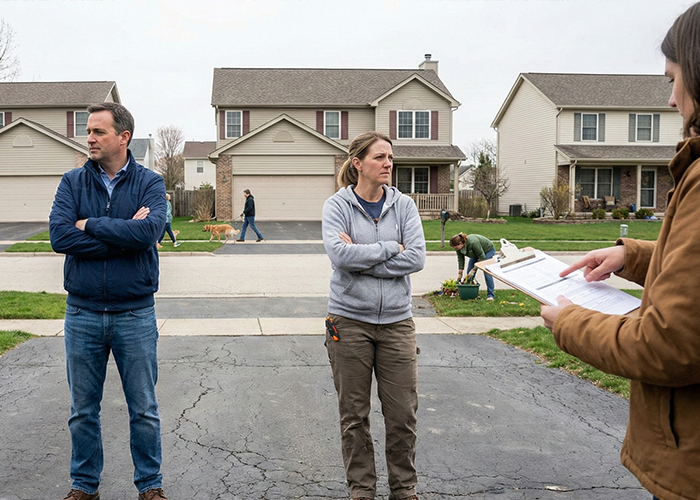
Disruptions within a neighborhood do not always fall under the HOA’s authority. While frustrations may feel significant, not every disagreement qualifies as a violation. Residents sometimes assume the board can step into any problem, but the association’s authority stops where the governing documents end.
A matter becomes actionable only when someone’s behavior clearly violates the CC&Rs, Bylaws, or Rules and Regulations. Examples include parking violations, chronic noise, property neglect, or actions that create safety concerns. If a rule is not written, the board cannot enforce it, even if the behavior feels inconsiderate.
Because of this limitation, the board’s role must stay focused on objective standards. Personal disputes fall outside the HOA’s jurisdiction and need resolution through private conversations or civil channels. When the board keeps its attention on rule-based issues, decisions remain defensible, consistent, and fair.
Common Violations That Affect Neighbor Enjoyment
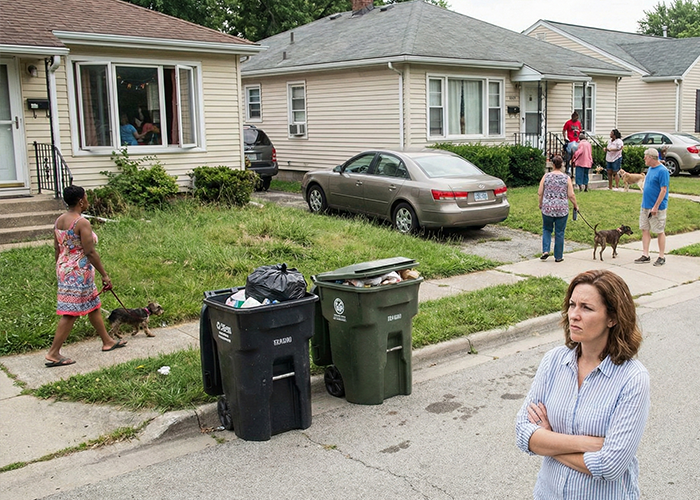
Conflicts usually arise when one neighbor’s choices begin affecting another’s daily life. These issues appear in many communities and often require structured enforcement.
Noise and Disturbances
Noise complaints tend to surface frequently, especially in tighter residential settings. Loud music, late-night gatherings, barking dogs, and early-morning power tools are common triggers for frustration. Rules about quiet hours exist to help protect peace for everyone.
However, noise enforcement becomes effective only when clear details are provided. Dates, times, and specific descriptions help the board or manager verify the issue. Serious cases, especially those involving threats or potential violence, should go directly to local law enforcement. The HOA is not designed to replace police authorities.
Property Maintenance Concerns
A poorly maintained home stands out quickly and can affect how neighbors feel about their surroundings. Overgrown lawns, overflowing trash, peeling paint, or damaged structures fall under typical maintenance standards in most communities.
These concerns become easier to address because they are visible and can be documented through photos or inspections. The board must still use progressive enforcement, which gives the homeowner an opportunity to correct the problem before any fines or penalties are applied. Consistency prevents claims of unfair treatment and helps maintain community aesthetics.
Parking and Vehicle Problems
Parking remains a common source of tension, especially in communities with assigned spaces, shared lots, or tight roadways. Challenges include blocking driveways, storing inoperable vehicles, or parking RVs or work trucks in prohibited areas.
Clear signs and consistent enforcement help reduce confusion. A vehicle registration system, fair warning procedures, and towing policies offer structure. When rules are applied evenly, residents feel that parking limits are respected and disputes decrease.
Behavior That Can Affect Safety and Health
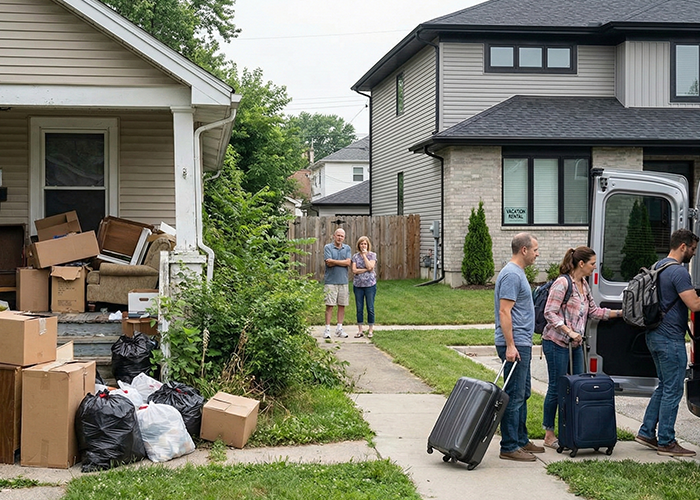
Some issues reach beyond simple rule violations. When a homeowner’s behavior threatens the safety, health, or legal standing of the community, a more urgent response is required.
Hoarding and Unsanitary Conditions
Severe property neglect sometimes creates risks that extend beyond the immediate home. Hoarding, pest infestations, overwhelming debris, or fire hazards threaten nearby properties as well. These situations require careful handling and usually involve both the HOA attorney and local authorities.
The board’s goal in these cases centers on reducing danger rather than punishment. Because these issues can involve sensitive personal circumstances, a respectful but firm approach works best while ensuring safety concerns are addressed quickly.
Short-Term Rental Violations
Many associations have strict limits on short-term rentals due to concerns about security, turnover, and accountability. When a homeowner repeatedly violates these rules, the problem can escalate fast. Frequent visitor changes often lead to noise issues, misuse of shared amenities, and added strain on community resources.
Taking quick action protects the residential character of the neighborhood and prevents liability concerns. Legal counsel may be required to confirm the violation and pursue stronger remedies if simple notices do not resolve the issue.
How HOAs Should Manage Bad Neighbor Complaints
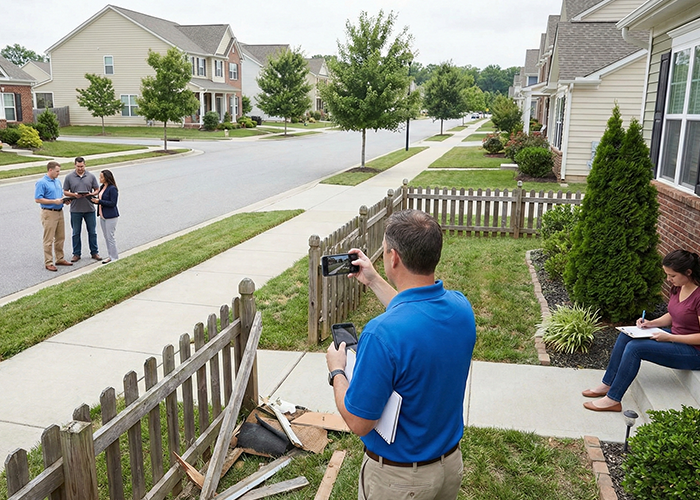
A structured approach offers clarity for both residents and board members. Encouraging a homeowner to confront a problematic neighbor directly often worsens the situation. Instead, the association’s formal process provides a safer and more productive option.
Reporting and Documentation
The process begins when a resident submits a written complaint with details such as the date, time, and nature of the issue. Anonymous or vague complaints rarely lead to enforcement because due process requires verifiable information. Management then determines whether the reported behavior violates any written rule.
Once this step is confirmed, an objective investigation follows. Photos, videos, logs, or staff observations help clarify what truly occurred. This step removes emotion from the equation and ensures that enforcement is based on facts rather than personal opinions.
Due Process and Enforcement
After verification, the board initiates the enforcement steps outlined in the governing documents. Most associations start with a friendly reminder or a written warning. Continued issues may lead to fines, suspension of privileges, or in rare cases, legal action.
Each step must follow the association’s procedures, including providing the homeowner the right to a hearing. Decisions gain legitimacy when the board treats similar violations in similar ways. Clear records protect the HOA from claims of selective enforcement and reinforce trust among residents.
How the Management Company Supports the Process
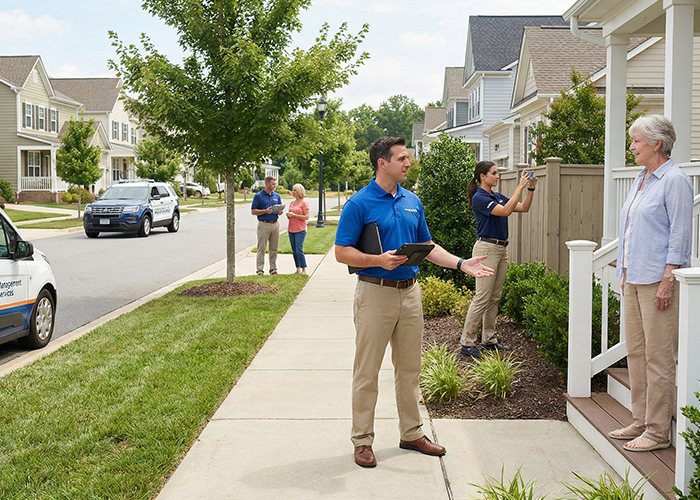
Professional managers play a key role in maintaining boundaries and helping the board navigate emotionally charged conflicts. Their presence allows volunteer board members to avoid direct confrontations with residents, which can become uncomfortable or contentious.
Managers handle communications, gather documentation, and coordinate inspections. They also guide residents toward proper channels, whether that involves animal services, city code enforcement, or the police. This protects the HOA from overstepping and ensures that each issue is handled by the appropriate authority.
Their training allows them to translate resident concerns into actionable information. Through this structured support, the board can focus on decision-making while managers take care of day-to-day administration.
Upholding Harmony Through Clear Processes
A clear, predictable system protects everyone involved. Residents feel supported, board members stay within their legal responsibilities, and the overall community atmosphere remains positive. When done well, this approach preserves the peaceful environment that homeowners expect when they choose to live in an HOA.
Living in a homeowners’ association brings a structured style of community life, and understanding what HOA rules and regulations are helps set clear expectations from the start.
What Are HOA Rules and Regulations?
A well-run HOA depends on documents that outline how the community functions. These documents create a framework for daily expectations and long-term planning. Homeowners gain a clearer sense of their responsibilities once they understand how these pieces fit together.
The Covenants, Conditions, and Restrictions (CC&Rs) are central to this framework. They establish architectural rules, property standards, and shared maintenance expectations. Meanwhile, the Bylaws and Rules, and Regulations follow, each shaping different parts of the community experience.
Predictable guidelines reduce confusion and help homeowners stay aligned. When everyone adheres to the same standards, the neighborhood maintains a consistent look and feel. This shared approach also reduces disagreements and leaves the board with more time to focus on larger goals.
The Hierarchy of Governing Documents
A clear hierarchy determines how rules are created, interpreted, and enforced. Understanding this structure helps homeowners see why some rules rarely change while others can be updated when needed.
Covenants, Conditions, and Restrictions (CC&Rs)
The CC&Rs hold the strongest authority. They attach to each property and remain in place through every sale or transfer. These documents describe what types of home improvements require approval, how common areas may be used, and what restrictions protect the neighborhood’s overall design.
Because they guide the community’s long-term identity, changes to the CC&Rs require a significant membership vote. Many associations need two-thirds of homeowners to approve an amendment. That high threshold keeps the CC&Rs stable and prevents frequent shifts in core standards.
The Bylaws
The Bylaws focus on how the association operates internally. They outline how many board members may serve, how elections take place, and how meetings must be organized. They also detail how the HOA selects officers and what duties each position carries.
Although the HOA can amend the Bylaws, the process still requires formal approval. This structure ensures consistency and prevents rapid changes in leadership procedures.
Rules and Regulations
The Rules and Regulations address everyday matters that affect how residents use amenities, maintain their properties, and follow community expectations. These rules guide details such as pool hours, pet policies, and parking guidelines.
Boards can update the Rules through a formal vote. This flexibility helps the community adopt new practices without going through the more difficult amendment process required for the CC&Rs or Bylaws. Even so, the Rules must stay aligned with higher-level documents.
Key Areas Covered by Rules and Regulations
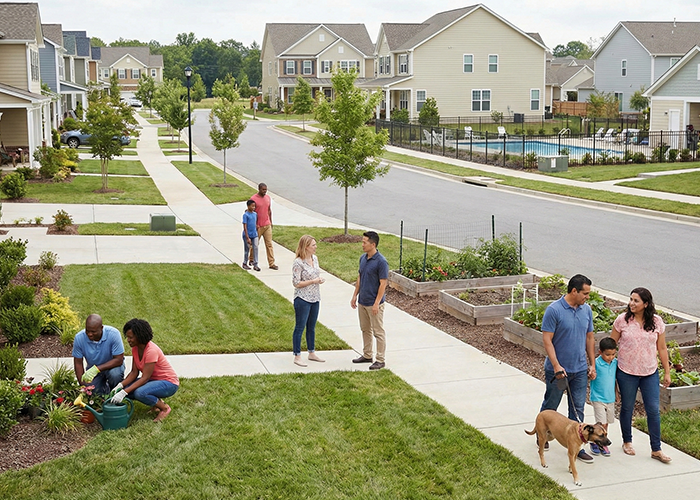
The Rules shape many small but meaningful parts of daily life. These guidelines influence how the neighborhood looks, feels, and functions.
Architectural Control and Exterior Aesthetics
Architectural rules preserve the neighborhood’s visual appeal. They help ensure that exterior changes reflect the community’s established character. Residents may need approval for new paint colors, structural changes, or visible additions to the property.
Landscaping standards also appear here. These rules may address yard maintenance, trimming schedules, and removal of overgrown areas. Communities depend on these expectations to maintain curb appeal and protect property values.
Use Restrictions and Nuisance Rules
Use restrictions aim to support peaceful living. These rules guide activities that could create disturbances, such as loud noise, strong odors, or disruptive pets. They help protect a resident’s quiet enjoyment of their home.
Many associations also regulate short-term rentals or commercial use of the property. These guidelines maintain a residential environment and support stability within the community.
Vehicle and Parking Regulations
Parking rules influence both safety and appearance. They describe where residents and guests may park. They may also limit long-term parking on the street or visible storage of recreational vehicles.
Clear expectations promote fairness and protect shared spaces. Without them, traffic flow may become obstructed, common areas may be damaged, and the neighborhood may lose its organized look.
The Enforcement Process and a Homeowner’s Rights

Rules only work when they are applied consistently. Homeowners have rights in this process, and the association has obligations that must be followed.
The Principle of Consistency
A board must enforce rules evenly. When exceptions occur, selective enforcement concerns may arise. This issue can weaken the association’s authority and lead to disputes that are more difficult to resolve.
Management companies assist boards by applying the same procedures to every resident. These steps include standardized notices, correction timelines, and fine structures. Consistency strengthens trust and provides clarity for everyone involved.
A Homeowner’s Right to Due Process
Due process ensures fairness during enforcement. The process typically begins with a written notice that states the issue and provides time to correct it. If the violation continues or a fine is proposed, the homeowner may request a hearing.
A hearing allows the resident to share information, present evidence, or ask questions about the rule. Once the board reviews the information, it issues a written decision. This structure promotes transparency and gives the homeowner a clear path toward resolving the issue.
Ignoring notices rarely leads to a positive outcome. Communicating with the board or management team offers a more productive way forward.
The Importance of Reviewing and Updating the Rules

Communities grow and shift over time. That means rules should evolve when necessary. A periodic review ensures the guidelines remain relevant and reasonable.
Boards often review Rules and Regulations every few years. This process identifies outdated restrictions, confusing language, or guidelines that no longer reflect state law. Updating these rules keeps the community functioning smoothly.
The flexibility of the Rules allows communities to respond to new trends and technologies. Examples include electric vehicle charging stations, modern security systems, and responsible drone use. Adjusting these expectations helps homeowners understand how newer features fit into established practices.
A Shared Path to Strong Community Living
Understanding what are HOA rules and regulations helps homeowners see how these guidelines support order, fairness, and long-term value. Clear rules promote harmony and keep the community attractive for everyone who lives there. When residents follow the CC&Rs and the Rules, they contribute to a positive environment that benefits the entire neighborhood.
A clean neighborhood tends to feel more welcoming, and proper waste habits play a big role in that. HOA trash disposal and recycling rules guide residents toward responsible habits that protect curb appeal and community health. These rules also help everyone stay aligned with local waste regulations while making day-to-day routines simpler.
Why HOA Trash Disposal and Recycling Rules Matter
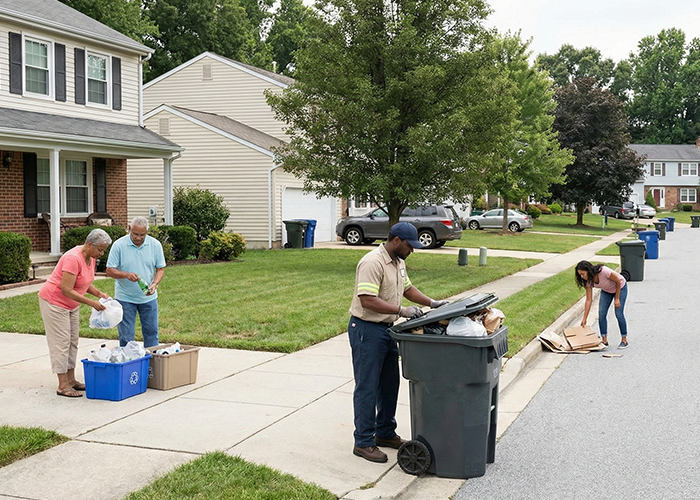
Strong trash disposal and recycling rules offer far more value than many homeowners realize. A single overflowing bin or scattered debris can affect multiple properties, which is why these guidelines are in place across nearly all associations. When you ignore trash, pests show up, odors spread quickly, and the neighborhood’s overall appearance declines.
Many associations coordinate directly with a waste management provider, so consistent rules help ensure the community remains in compliance with hauling contracts and local standards. This prevents service disruptions and avoids fines the HOA may incur. Clear rules also promote good recycling habits that reduce waste volume and contribute to local sustainability goals.
Although every community is different, the purpose rarely changes. Good rules protect property values, improve safety, and create a cleaner environment for everyone.
Placement and Timing for HOA Trash Disposal and Recycling Rules
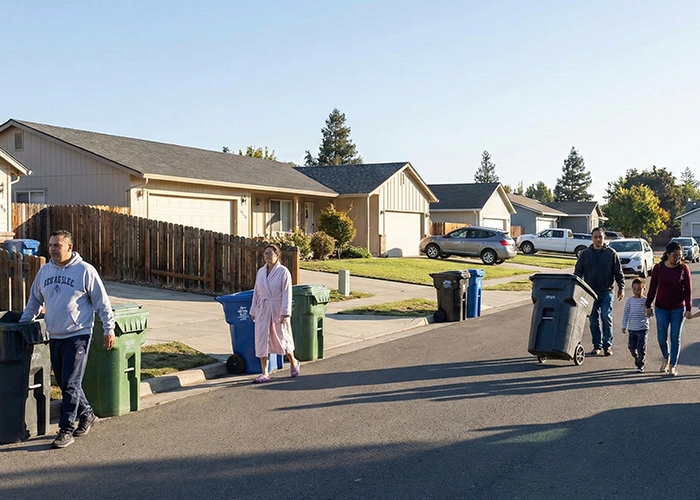
The first place where many HOAs see problems involves the placement and timing of bins. Small actions have a large effect on the neighborhood’s overall appearance, which is why most associations keep these rules very specific.
Storage on Non-Collection Days
Most HOAs require bins and recycling carts to be stored out of public view when pick-up is not scheduled. Storage areas often include the garage, a fenced side yard, or a screened area approved by the association. Keeping containers out of sight maintains tidy streets and prevents attention from being drawn to waste rather than the homes themselves.
This pattern might seem like a minor detail, yet it shapes the look and feel of the entire community. A row of exposed bins can disrupt the overall aesthetic, especially in neighborhoods designed with uniform curb appeal in mind. Keeping bins tucked away continues to be one of the easiest rules for residents to follow.
Timing for Curbside Placement
Most HOAs allow bins at the curb only within a limited window. Homeowners typically place bins out the evening before collection and retrieve them by the evening of the pick-up day. Rules like these shorten the amount of time bins sit on the street, which helps maintain a cleaner, more orderly appearance.
When bins remain out for days, neighbors notice. The home may look neglected, and the community ends up losing visual uniformity. By following the timing rules, residents help preserve the clean streetscape everyone benefits from.
Container Usage and Waste Separation

Container rules reinforce a predictable system for the waste hauler and residents. These guidelines reduce missed pick-ups and help prevent confusion about what belongs where.
Using Approved Containers
HOAs generally require residents to use only the containers supplied by their designated hauler. These containers work with automated truck systems, and anything outside these requirements is often left behind. Plastic bags sitting on the curb or oversized containers not approved by the hauler usually lead to missed service.
Closed lids are another standard requirement. An overflowing bin invites pests, encourages litter, and creates extra cleanup for the homeowner and the community. Secure lids ensure waste stays contained, even on windy days.
Separation Rules for Recycling
Recycling rules tend to be strict, mainly because contamination affects the entire community’s recycling compliance. Acceptable materials must be placed only in the designated recycling bin, and items usually need light preparation, such as rinsing food containers or flattening cardboard.
When non-recyclable materials enter the bin, the entire load may be rejected. This can lead to extra costs or additional communication from the management company, especially if contamination occurs frequently. Clear separation helps keep the community aligned with local recycling programs and improves overall sustainability efforts.
Handling Bulk Waste and Hazardous Materials
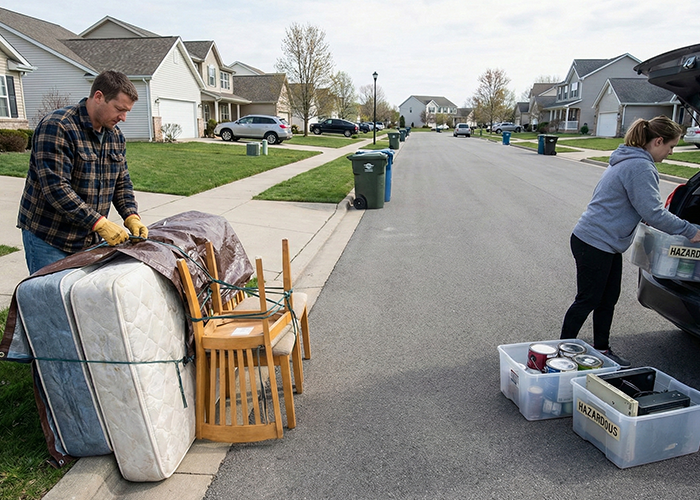
Larger items and hazardous materials often cause the biggest challenges for HOAs. These items demand special handling because standard weekly pickup cannot accommodate them.
Bulk Item Disposal
Old mattresses, furniture, and appliances usually need a special pick-up arranged directly with the hauler. HOAs often outline whether homeowners need to schedule this themselves or follow a community-wide bulk trash day if one is offered.
Problems arise when residents leave large items on the curb without arranging pickup. Not only does this create an eyesore, but it may also result in code violations. In many cases, the HOA will need to coordinate removal and bill the homeowner, which adds unnecessary cost and friction.
Policies for Hazardous Waste
Hazardous materials pose greater risks and are never allowed in standard bins. Items such as chemicals, paint, batteries, oil, and certain electronics must be taken to approved county or municipal drop-off locations.
HOAs reinforce these guidelines heavily because improper disposal can lead to environmental harm and legal issues. Clear instructions help residents avoid dangerous mistakes and keep the community safe.
Enforcement and Resident Communication
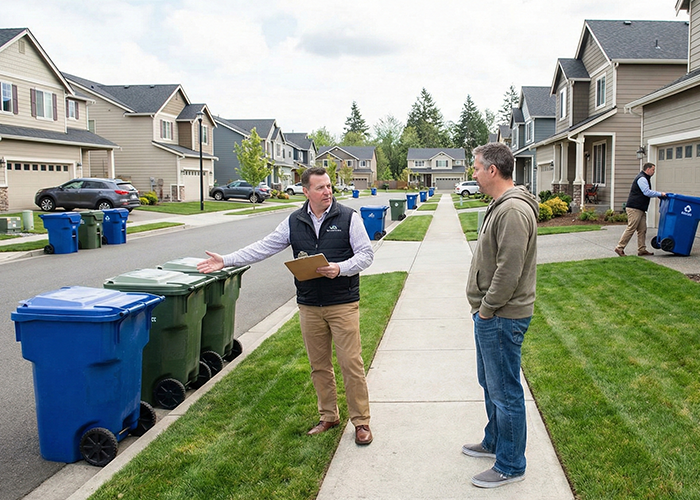
HOA trash and recycling rules may seem simple, yet enforcement is essential to keeping standards intact. A consistent process ensures fairness and reduces misunderstandings among residents.
Consistent Enforcement
Management teams typically monitor the community on collection days and document any violations, such as bins left out too long or repeatedly overflowing containers. Written notices follow, referencing the specific rule in the governing documents.
If issues continue, penalties may escalate. Some HOAs choose to remove items or store bins themselves, then pass the cost on to the homeowner responsible. A predictable system helps maintain trust and keeps the process fair for everyone.
Proactive Communication
HOAs that communicate regularly tend to see fewer violations. Clear guides that outline the collection schedule, recycling rules, and bulk disposal procedures help residents avoid confusion. These guides are often shared during move-in or with annual reminders.
Reminders before holidays, when collection schedules shift, are especially valuable. When residents feel informed, they are more likely to follow the rules without prompting.
Support for a Cleaner Community
Good trash disposal and recycling habits play a meaningful role in keeping a neighborhood clean and attractive. Residents who follow HOA trash disposal and recycling rules contribute to a stronger sense of order and community pride. Proper placement, consistent use of approved containers, and careful waste separation help protect both the environment and the neighborhood’s overall appearance.
Small daily actions can make a lasting difference. With clear rules and open communication, communities stay cleaner, healthier, and more enjoyable for everyone.
Living in a homeowners’ association brings shared expectations meant to protect property values and keep a neighborhood looking cohesive. These guidelines sometimes feel strict, yet they shape the character of a community and provide the structure that keeps properties well cared for. When residents understand the most common HOA violations, it becomes much easier to avoid unnecessary conflict and support a neighborhood that feels pleasant and well-maintained.
Understanding the Purpose Behind Common HOA Violations
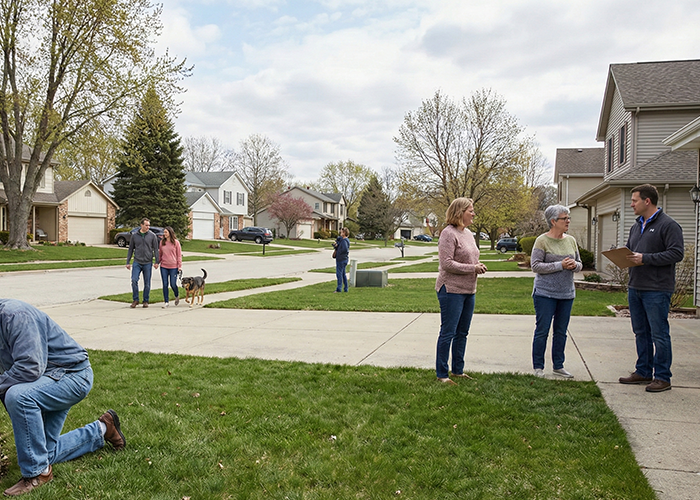
Community rules rarely exist without reason. Each standard connects to the association’s responsibility to protect and enhance shared assets. A single home with visible maintenance issues or unauthorized changes can affect perceptions of surrounding properties. Accordingly, officers should promptly address violations to keep the association’s covenants meaningful and effective.
The foundation of every rule is outlined in the governing documents, especially the Covenants, Conditions, and Restrictions. These documents require objective and consistent enforcement rather than selective or opinion-based decisions. Boards must follow these standards, even when conversations feel uncomfortable.
Many violations happen simply because residents may not fully understand the rules. Better guidance often prevents problems before they escalate. When homeowners understand the rationale for certain restrictions, cooperation usually comes naturally, reducing the need for penalties or hearings.
Architectural and Exterior Appearance Violations
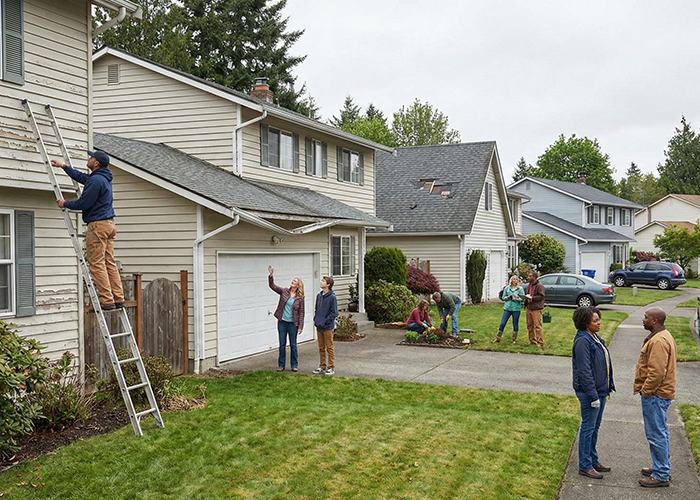
Appearance-related issues tend to be the most visible and often create the highest number of notices. These rules aim to preserve a cohesive and well-kept look throughout the neighborhood.
Unauthorized Exterior Changes
Projects that alter the outside of a home almost always require approval from the Architectural Review Committee. Homeowners sometimes proceed before receiving approval, which can lead to preventable issues. Changes such as repainting in a non-approved color, adding a fence, installing a deck, or removing major landscaping features usually fall under this category.
Even small updates may need review. A new mailbox design, an unfamiliar storm door style, or decorative elements not listed in the guidelines can trigger a violation. Submitting a simple application saves time, ensures compliance, and avoids the frustration of removing unapproved work.
General Maintenance and Visible Wear
Exterior maintenance plays a major role in how a community looks and feels. Peeling paint, mildew, cracked stucco, or sagging gutters can give the impression of a declining neighborhood. Because property values depend heavily on appearance, boards tend to monitor these conditions closely.
Roof stains, visible damage, and broken shingles also make up a significant portion of maintenance-related violations. While repair projects vary in size and cost, timely action prevents further deterioration and keeps each home meeting the community’s basic standards.
Landscape and Yard Maintenance Expectations
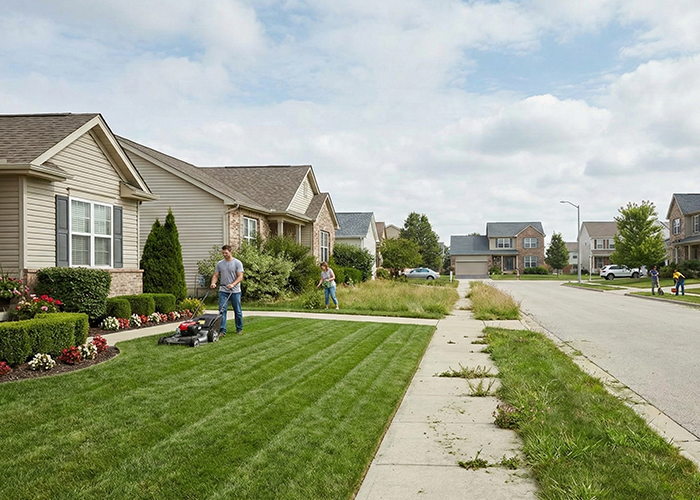
Well-maintained yards shape first impressions. Since curb appeal reflects both individual pride and community standards, landscaping concerns stand among the most common HOA violations.
Unkempt Lawns and Overgrowth
Grass that grows beyond the allowed height, weeds that spread into planting beds, or shrubs that spill over sidewalks often lead to the first notice. Overgrowth affects not only the appearance of a home but also the overall cohesion of the neighborhood. Regular mowing and trimming usually prevent these issues and help maintain a consistent community appearance.
Associations may also regulate the type and placement of vegetation. Trees planted too close to walls or fences, shrubs leaning into walkways, or plants that obstruct views can create safety issues. These concerns matter just as much as aesthetics, which is why residents are asked to monitor and maintain their landscaping.
Unauthorized Structures and Outdoor Storage
Some items cannot be placed outdoors without approval. Storage sheds, certain large play structures, or materials used for long-term projects may violate the governing documents. These restrictions maintain the neighborhood’s original design and help prevent clutter.
Trash containers, bags of yard debris, or unused equipment stored in the open can also lead to a notice. Many associations allow some flexibility on collection days, though long-term placement usually isn’t permitted. A tidy yard supports the community’s overall appearance and reduces potential complaints.
Vehicles and Parking Regulations

Parking concerns frequently appear on violation lists because they influence safety, visibility, and the fair use of common areas.
Parking and Storage Issues
Recreational vehicles, boats, or commercial trucks parked in driveways or along community streets often conflict with association rules. Many communities require these vehicles to be stored out of sight, either behind a fence or in a designated lot. Without these guidelines, the visual character of the neighborhood can change quickly.
Parking on lawns, sidewalks, or landscaped areas is also prohibited in most associations. Damage to grass, irrigation, or pavement often results from these situations. Visitor spaces and street parking also come with limitations, and residents must be familiar with those expectations to avoid repeated notices.
Vehicles in Poor Condition
Inoperable vehicles, flat tires, rusted exteriors, or cars under long-term repair often violate community standards. The presence of these vehicles can make a residential area feel neglected. Minor maintenance is usually fine, but larger repair projects are expected to take place off-site.
How the Enforcement Process Works
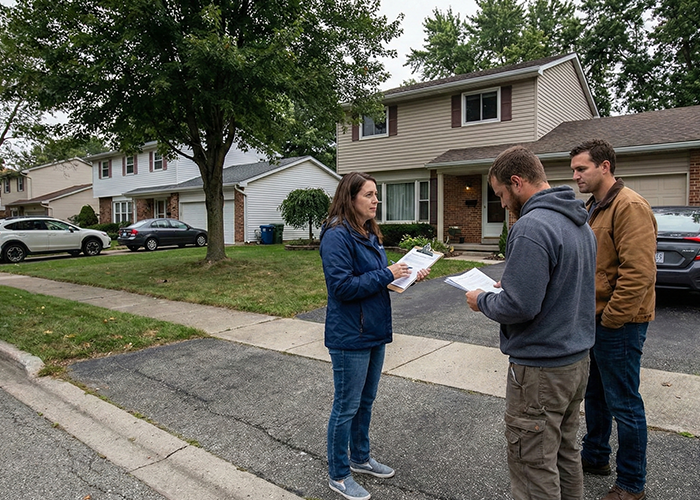
When an issue arises, associations follow a structured enforcement process to ensure fairness for every homeowner. This process varies slightly across communities, but the core steps remain similar.
Fair Notice and Due Process
A written notice usually serves as the first step. It identifies the rule in question and sets a deadline for correcting the issue. If the violation continues or fines may be imposed, the resident may request a hearing. This meeting allows the homeowner to share information, clarify misunderstandings, or request more time.
Once the board reviews the facts, it can decide whether fines or corrective measures are necessary. Some communities allow self-help, meaning the association may correct certain issues and bill the homeowner. Other communities rely on legal action when standard measures do not lead to compliance.
Responsibilities of Homeowners
Residents are expected to read and understand their governing documents, though many do not review them until a problem appears. When homeowners receive a notice, the best step is simply to reach out, ask questions, and begin correcting the issue. Quick communication often prevents escalation and reduces the chance of fines.
The Role of the Management Company
Management companies handle much of the administrative process. They perform routine inspections, prepare notices, maintain records, and support the board during hearings. Their involvement creates consistency and removes personal tension between neighbors. While they do not make the rules, they ensure the rules are applied fairly and correctly.
Building a More Cooperative Community
Awareness of common HOA violations helps residents stay informed and feel confident about meeting community standards. These rules aim to protect both appearance and value, which benefits every homeowner. When the board communicates clearly and residents stay proactive, the neighborhood as a whole becomes more cohesive and welcoming.
A thriving community rarely happens by accident. A clear HOA strategy plan guides decisions, supports long-term goals, and helps the board stay focused even as members rotate over time. Strong planning also reassures homeowners that their dues support a thoughtful vision rather than a series of short-term fixes.
Why an HOA Strategy Plan Matters

A well-built HOA strategy plan bridges the gap between the community’s governing documents and the daily tasks that keep things running. Too many boards fall into a pattern of reacting to problems as they arise. Without a strategic roadmap, attention shifts from one urgent issue to another, leaving no progress toward important goals like facility upgrades or long-term financial stability.
A written plan protects the association from this cycle. Incoming directors gain instant clarity on the community’s major priorities, existing commitments, and the reasoning behind past decisions. This smooth handoff reduces confusion and helps the board avoid abrupt changes that disrupt the community’s momentum.
Clear strategy also supports trust. When homeowners see a plan outlining goals such as increasing reserves or improving aging amenities, they understand the purpose behind financial decisions. Even a difficult assessment increase becomes easier to accept when the long-term value is clearly communicated.
Setting the Foundation With an HOA Strategy Plan

A strong strategy begins with clarity. Once the board agrees on the community’s purpose and long-term direction, smart decisions become easier.
Vision and Mission as the Starting Point
A community’s mission explains why the association exists and the values it intends to protect. Many associations use this statement to emphasize property values, well-maintained shared spaces, and a sense of neighborly cooperation. A brief but clear statement works best since it becomes the reference point for every major board decision.
Reviewing each proposed initiative with the mission in mind helps prevent wasted time and unnecessary spending. If a project does not support the core purpose, it does not belong in the HOA strategy plan.
Using a SWOT Review for Honest Assessment
A helpful next step involves looking closely at the association’s Strengths, Weaknesses, Opportunities, and Threats. This review may highlight high owner participation or strong vendor relationships as strengths. Weaknesses often include deferred maintenance or low compliance rates. External opportunities might involve community partnerships, while threats may stem from increasing insurance costs or upcoming legal requirements.
A SWOT review encourages realistic goal setting. It keeps the board grounded in the association’s current condition while also pointing out where improvements can create meaningful progress.
Prioritizing Goals That Support the HOA Strategy Plan

Once the board understands the community’s position and long-term mission, goals can be shaped into specific, trackable commitments. Clear goals bring structure to the strategy plan and ensure the board has measurable ways to monitor progress.
Core Categories for HOA Goals
Most associations find that strategic goals fall into three main categories:
Physical Assets
Maintenance, repair schedules, and capital projects belong here. Examples include repaving roads by a certain year or refreshing pool furniture within a set timeframe. Reserve Study recommendations often guide these choices.
Financial Health
This category focuses on stability. Goals may include increasing reserves to a target percentage within several years or lowering delinquency rates. Strong financial direction protects the community from unexpected expenses and helps maintain property values.
Governance and Community Engagement
Improving communication, increasing resident involvement, or strengthening committee structures all fall under this area. Goals might include launching a new communication platform or encouraging higher voter turnout in annual elections.
These goals should follow the SMART framework: Specific, Measurable, Achievable, Relevant, and Time-bound. Clear goals such as replacing the clubhouse HVAC unit in a specific year allow the board to plan ahead rather than respond to emergencies.
The Reserve Study as a Strategic Anchor
Any HOA strategy plan must incorporate the Reserve Study. This document outlines projected repair and replacement costs for major components, making it a cornerstone of long-term planning. A financially healthy association cannot afford to ignore it.
The plan should describe the target reserve funding level and lay out how the association intends to meet that goal. Annual budgets should reflect these commitments so the community stays on track.
Bringing the HOA Strategy Plan Into Action

Even the strongest strategy loses its value without consistent implementation. Once goals are set, the board and management team must coordinate responsibilities and timelines.
Clear Delegation to Strengthen Accountability
Assigning each objective to a specific board member, committee, or management partner keeps tasks from falling through the cracks. For instance, improving delinquency rates may be carried out by the Treasurer and management company, while planning neighborhood events may sit with a social committee.
During this stage, reviewing the management contract becomes helpful. The board must confirm that the manager’s duties and available hours match the work expected under the strategy plan. Both sides should agree on expectations so the plan is realistic.
Building Action Steps and Aligning the Annual Budget
Large goals need smaller steps. Breaking tasks into manageable action items with clear due dates creates steady movement. For example, a major paving project may start with gathering bids, securing funding in the following quarter, and scheduling work after that.
Budget alignment strengthens the plan by ensuring financial resources match the goals. When the annual budget funds the priorities listed in the strategy, the plan becomes tangible. Without this alignment, even well-written strategies struggle to succeed.
Keeping the HOA Strategy Plan Alive Through Review and Communication
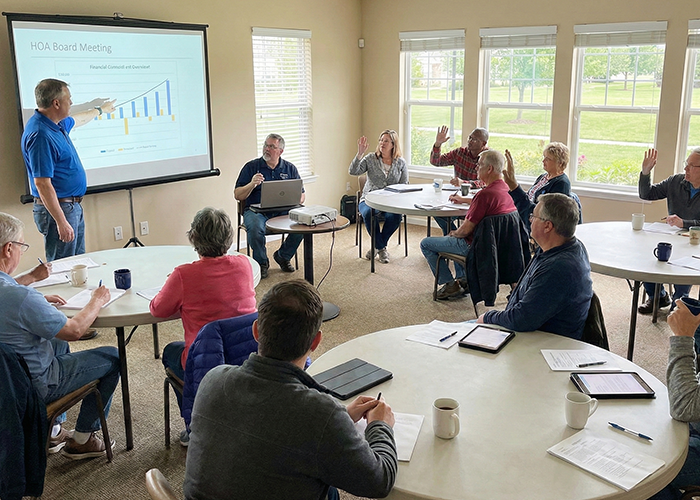
A strategic plan grows and changes as the community evolves. Regular reviews and open communication help the board stay on course and keep homeowners informed.
Regular Reviews Using Measurable Indicators
Quarterly reviews give the board time to measure progress and address issues early. Key performance indicators, such as reserve fund percentages or compliance rates, make reviews clearer and more objective.
Some situations require adjustments. A storm may damage common areas, or insurance premiums may rise unexpectedly. A flexible plan allows the board to reprioritize without losing sight of the long-term goals.
Open Communication With Homeowners
Sharing the HOA strategy plan increases transparency and trust. Summaries can appear in annual meeting packets, newsletters, or the community portal. Homeowners appreciate understanding how monthly assessments support meaningful goals instead of short-term fixes.
Clear communication makes the board’s work visible. When residents know the strategy, they can see how their cooperation and dues contribute to community upkeep and future improvements.
Looking Ahead With Strategic Confidence
A thoughtful HOA strategy plan guides the community from reactive decision-making toward purposeful, proactive leadership. Strong goals, supported by the Reserve Study and reinforced through ongoing review, help the board protect the association’s long-term financial health and physical condition. Clear communication then connects this work to the homeowners who rely on it.
Communities that follow a well-communicated plan tend to show greater stability, stronger participation, and a clearer vision for the future.