
Communities rely on steady guidance, and CAI designations help bring that level of confidence to HOA management. These credentials show a manager’s commitment to proper training and ethical practice, which gives boards a clearer view of who they can trust. A better understanding of these designations supports stronger hiring decisions and creates a healthier foundation for any association.
Understanding CAI Designations and Their Role in Professional Standards

A closer look at CAI designations reveals how much structure the Community Associations Institute has created for the industry. The organization built a professional development system that brings consistency to an area of management that can feel complicated for both boards and homeowners. Its designations reflect formal training, ethical accountability, and proven skill in handling association business.
Community management involves far more than routine property oversight. Legal compliance, financial planning, and facility care all fall within a manager’s daily responsibilities. Many property managers outside this field do not receive instruction specific to HOA governance, which often leads to gaps in knowledge. CAI’s programs reduce those gaps by focusing directly on the issues HOAs face.
Hiring a manager or firm with CAI credentials helps reassure boards that the professional has passed a recognized standard. These individuals volunteer to complete advanced education and maintain ongoing training, giving communities confidence that their partner takes the role seriously. Boards can view this as a dependable first filter during the selection process.
Manager Designations That Reflect Individual Expertise

CAI offers several designations that highlight a manager’s growth and depth of experience. Each one represents a step forward in training and professional responsibility.
Certified Manager of Community Associations
The Certified Manager of Community Associations, or CMCA, serves as the primary entry to professional certification in the industry. This designation shows that the manager understands the basic legal, financial, and operational duties of community management. It also reflects completion of the M-100 course and a national exam.
Although the CMCA is not issued solely by CAI, it remains the baseline credential needed for advanced designations. It signals that the individual has achieved minimum competency and is prepared for more complex work.
Association Management Specialist
The Association Management Specialist, or AMS, sets a higher bar. Managers must hold the CMCA, finish additional CAI coursework, and accumulate at least two years of verified community management experience. The AMS reflects a thoughtful commitment to the profession, along with practical knowledge gained through daily operations.
Managers with this designation often handle detailed budgeting tasks, board coaching, and more complex administrative work. Boards frequently view the AMS as a sign that the manager can navigate common challenges with greater confidence.
Professional Community Association Manager
The Professional Community Association Manager, known as the PCAM, is widely respected as the highest individual designation available. It is awarded only to managers who have completed the CMCA and AMS, plus five advanced courses and a national exam. Candidates must also prepare a case study that examines a real community, showing how they apply their training to actual situations.
This level of certification demonstrates a deep understanding of community association management. Many large or highly complex communities look for PCAM-level guidance when seeking a long-term management partner.
Recognizing Firm Excellence Through the AAMC Designation

CAI also certifies management companies through the Accredited Association Management Company designation. This credential reviews the firm as a whole, rather than evaluating only one employee.
Standards That Build Confidence
A company with the AAMC status must show financial stability, ethical commitment, and transparent business operations. These requirements help protect associations from unnecessary risks. Since recordkeeping and financial accuracy play major roles in community management, this stability becomes especially meaningful for boards.
Another key requirement involves staffing. AAMC firms must employ at least one PCAM, ensuring that top-level expertise shapes the company’s policies and training programs. This guidance helps standardize quality across all employees, not just a single manager.
When boards hire an AAMC firm, they receive support from a team that follows industry best practices in accounting, communication, and administrative processes. This structure can reduce errors and lead to smoother operations overall.
How CAI Designations Strengthen HOA Governance

Selecting a manager or firm with CAI credentials offers more than reassurance. It also brings tangible benefits to daily governance.
Knowledge That Supports Legal and Financial Compliance
Professionals with CAI designations have been trained to understand community law, governance rules, and financial management. This knowledge helps prevent mistakes that could expose the association to legal claims or regulatory penalties. It also supports accurate budgeting, reserve planning, and financial reporting.
Boards often rely on managers to interpret complex information, and designated professionals tend to approach these tasks with more precision.
Ethical Standards That Encourage Trust
CAI’s Code of Ethics sets expectations for confidentiality, fairness, and responsible decision-making. Designated managers must follow these standards and maintain ongoing education to keep their credentials active. This ongoing training ensures that they stay informed about new laws, technology updates, and industry changes.
Boards gain peace of mind knowing that their manager is held to a documented ethical standard, which strengthens trust within the community.
Experience That Reduces Risk
Higher-level designations require years of verifiable experience. This history shows that the manager has handled real issues, from major repairs to sensitive disputes. When faced with a crisis, a designated manager can draw from that experience to help the board move forward with confidence.
Associations benefit directly from this background, especially when large projects, insurance matters, or safety concerns arise.
Ways To Confirm a Manager’s Designation Status

Verification helps protect the community during the interview process. A qualified professional will have no problem sharing proof of their designation or directing the board to CAI’s online directory. This step prevents misunderstandings and avoids situations where an individual claims a credential they do not hold.
Once verified, a board can feel more assured that the professional has genuinely met the educational and ethical standards associated with CAI.
A Smart Investment in Community Stability
A thoughtful selection process often leads to better results for the entire neighborhood. CAI designations provide a reliable measurement of a manager or firm’s ability to support responsible governance and community well-being. Choosing a credentialed professional helps protect the association’s financial health, legal compliance, and long-term stability.
A community’s financial stability often depends on how well its banking systems support daily operations and long-term planning. Many boards find that low-quality banking arrangements create unnecessary risks, while specialized HOA banking services offer a safer and more efficient path. The right financial partner ultimately helps the board meet its legal and ethical responsibilities.
The Fiduciary Mandate for Specialized HOA Banking Services
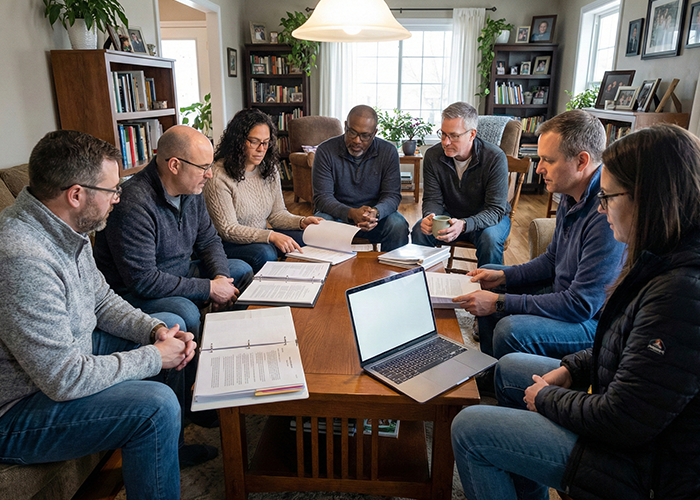
A homeowners association operates under strict fiduciary standards, and those standards shape every decision made about financial management. Association funds belong to all homeowners collectively, so they must be handled with care, transparency, and predictable security. Specialized HOA banking services give the board structure and confidence as it carries out those responsibilities.
A traditional consumer or business account rarely meets the needs of a planned community. An HOA deals with recurring mass assessments, vendor obligations, and large reserve balances, which all require tools built for precision. Banks that serve HOAs typically offer systems designed for secure financial activity, from fraud monitoring to account segregation. These services reduce risk for board members and residents by creating an organized, trackable environment for financial operations.
Partnerships with HOA-focused banks also support homeowner confidence. Clear records, timely reporting, and reliable payment systems all reinforce the idea that the board is acting responsibly. A stable banking framework becomes a protective layer for the community’s long-term financial health.
Core Banking Needs That Support Reliable HOA Operations

A well-managed HOA depends on operational clarity, reserve protection, and consistent security. Each of these pieces supports a different part of the association’s financial picture, though they work together as a unified system.
Segregated Accounts and Reserve Planning
HOAs depend on the clean separation of operating and reserve funds. This separation helps the board maintain accurate records and prevents the accidental or intentional use of long-term savings for short-term needs. Operating accounts usually handle items such as utilities, landscaping payments, and contract services. Reserve accounts hold future repair funding for items that wear out over time, including pavement, roofing, or mechanical systems.
Separate accounts also support accurate financial statements. The board can more easily monitor cash flow, review project readiness, and confirm compliance with state requirements. Many communities choose savings instruments for reserve funds that allow modest interest accumulation and limited access. This cautious approach protects the association during emergencies and keeps funds clearly designated for future capital needs.
Correct titling of accounts matters as well. When accounts are set up with the appropriate association name and category, the risk of commingling is reduced and auditors have a clear trail to follow.
Fraud Prevention Measures That Offer Peace of Mind
HOAs sometimes hold large balances, making them appealing targets for financial fraud. Strong banking security reduces this exposure and reassures homeowners that their money is protected. Banks with HOA expertise usually offer a layered approach, with services such as check validation, multi-step approvals, and alerts for suspicious activity.
Positive Pay remains one of the strongest tools in this area. This service lets the bank compare every presented check against an authorized list supplied by the management team. When a check does not match the approved record, the bank pauses the transaction for review. Communities with Positive Pay experience far fewer check-related issues, which lowers financial risk and improves confidence in the association’s internal controls.
Security features like permission-based access and transaction monitoring also help. These tools track account activity and limit who may authorize payments, reducing the chances of internal misuse.
Improving Assessment Collection and Payment Management

Financial stability depends heavily on reliable assessment collection. An HOA banking partner with strong processing capabilities can support timely income and reduce the workload on board members and management teams.
Lockbox Support for High-Volume Associations
A lockbox service helps communities that receive many check payments each month. Instead of routing mail to the management office, the bank receives and processes payments directly. This approach minimizes delays, reduces the handling of physical checks, and shortens the time between receipt and deposit.
Because payments are posted electronically, managers can update homeowner ledgers more quickly and research questions about payment dates with greater accuracy. Disputes over late fees also decline when the process runs smoothly and consistently.
Automated and Online Payment Options
Residents appreciate flexible payment systems, and communities benefit from predictable cash flow. Convenient options such as ACH transfers, online credit card payments, and secure e-check platforms make assessments easier to submit. Homeowners who prefer automatic withdrawals rarely miss a payment, which helps associations meet ongoing expenses without interruption.
Digital statements and reminders further support timely payments. Many homeowners respond quickly when they receive scheduled alerts, which prevents unnecessary late notices and collection efforts.
Expense Controls and Board Oversight
HOA banking services also play a major role in managing expenses. Strong policies reduce mistakes and limit access to funds. Many associations use dual-signature requirements on checks above a set amount, or they require two levels of approval before electronic payments can be released. These safeguards protect both the board and the management company by creating a consistent process for all financial decisions.
When banking systems integrate with management software, reconciliations become easier and faster. Accurate reports allow the board to monitor cash flow, compare actual spending to the budget, and make informed decisions throughout the year.
Maximizing Reserve Fund Strength and Protection

Reserves support the long-term condition of the community. Large projects such as roof replacement, asphalt work, or structural repairs can strain an underfunded association. Careful planning and banking support help the board maintain strong reserves without exposing the community to unnecessary risk.
Investment Options That Balance Growth and Safety
HOAs typically use low-risk instruments to store reserve funds. Many associations choose Certificates of Deposit, Money Market Accounts, or Treasury obligations. These choices allow modest interest earnings while keeping the funds available for future use. The board must always follow its governing documents and state regulations when selecting investment options.
FDIC coverage remains a crucial component of reserve protection. The standard insurance limit applies per depositor, per insured bank, so large communities often divide funds among multiple accounts or institutions when needed. This diversification provides additional stability and meets the board’s responsibility to safeguard the association’s savings.
Guidance From Qualified Investment Professionals
A Registered Investment Advisor can help boards with substantial reserves build a plan that balances safety and performance. Advisors often recommend strategies that improve FDIC coverage, maintain liquidity, and pursue conservative growth. The board retains full authority over all decisions, though professional guidance can make the process more structured.
Documented approval of all investment actions helps maintain transparency. Homeowners should always be aware of general strategies, since reserve planning affects long-term maintenance and community stability.
How Management Companies Strengthen the Banking Relationship

The management company acts as the day-to-day link between the HOA and the bank. Managers set up accounts, ensure correct titling, and maintain the flow of financial information. They also verify that signature cards, fraud controls, and reporting settings remain accurate and up to date.
A smooth relationship between the management team and the bank helps the board focus on strategic oversight rather than daily administrative tasks. Reliable processing protects the association’s financial integrity and supports budgeting, reserve forecasting, and vendor planning. As a result, homeowners benefit from stable operations and clearer communication regarding the association’s financial picture.
A Stable Financial Foundation for Every HOA
A dependable banking structure gives the board the tools needed to protect the community’s assets. Specialized HOA banking services provide greater transparency, stronger security, and streamlined payment systems. When boards prioritize account segregation, fraud controls, and efficient collection processes, they reinforce the association’s long-term financial health. These choices ultimately support a well-managed community and a smoother experience for every homeowner.
Many homeowners wonder how their monthly assessments are being used, especially during their first year in a community. Understanding and breaking down HOA fees provides a clearer picture of how these funds support property values and long-term neighborhood stability. A little clarity also helps build trust between residents and the association.
Every community depends on this shared pool of money to maintain common property, fund essential services, and prepare for future repairs. When owners see how each part works, they usually gain a stronger appreciation of what the association accomplishes behind the scenes.
Breaking Down HOA Fees in Simple Terms

Breaking down HOA fees starts with the idea that every owner contributes a share of the community’s operating budget. That budget covers shared maintenance, essential utilities, insurance, administrative expenses, and funding for future replacement projects. Unlike a mortgage payment, the assessment is tied to both daily services and long-range planning.
Although fees vary between neighborhoods, every association follows the same basic method. The board estimates yearly expenses, adds projected reserve contributions, and divides the total by the number of units. Fees may differ in multifamily communities where certain building types require more extensive maintenance or insurance. The goal is accuracy, fairness, and financial stability rather than profit.
Some homeowners believe an assessment should only reflect today’s costs, yet that assumption rarely protects the community from unexpected expenses. A board that sets fees too low may delay necessary work, and deferred repairs often result in expensive special assessments later. Careful planning tries to prevent that outcome.
The Operating Budget and Daily Community Costs
Most of the monthly assessment supports the operating budget. This portion pays for predictable, recurring expenses that allow the neighborhood to function day after day. The list often includes landscaping, common area cleaning, amenity maintenance, utilities, and professional services that keep the association compliant.
Maintenance and Utilities
Much of the operating budget supports maintenance contracts for shared areas. Regular grounds care, pool service, janitorial work, street lighting, and seasonal tasks help protect shared spaces that everyone enjoys. These expenses may look invisible at times, yet they prevent deterioration and keep common property safe, clean, and welcoming.
Some communities also fund landscape irrigation, lighting systems, entry monument upkeep, and recreational areas. Utility bills grow as more amenities are added, so these costs must be managed carefully. Tracking usage, reviewing vendor invoices, and evaluating competitive pricing are important parts of responsible budgeting.
Insurance and Administrative Needs
The association also pays for a master insurance policy covering liability, building exteriors (when applicable), amenities, and certain common risks. The price of this coverage depends on local conditions, previous claims history, replacement cost values, and market rates. A portion of each assessment must be reserved for this premium every year.
Administrative expenses include the management company, legal guidance, accounting services, and mailings or notices required by state law. These expenses ensure the association remains compliant, transparent, and prepared to handle legal and financial responsibilities. Without organized administrative support, boards would struggle to meet regulatory requirements and manage contracts.
The Reserve Fund and Future Replacement Costs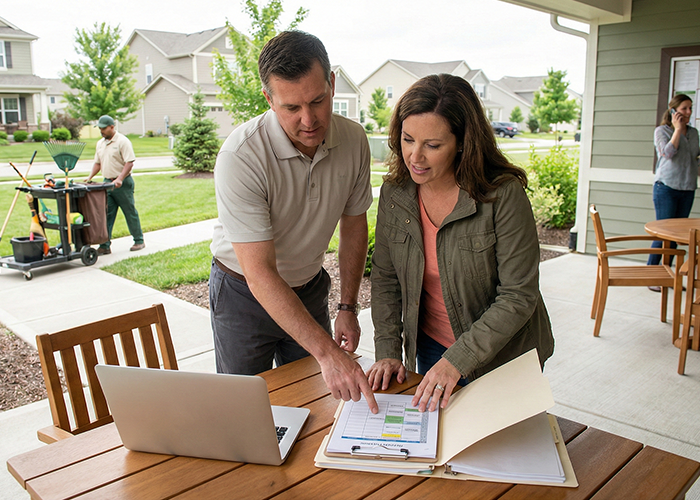
While the operating fund supports today’s needs, the reserve fund prepares for tomorrow’s major repairs. A healthy reserve protects homeowners from sudden financial pressure and helps maintain property values. Without sufficient reserves, a single large repair might require an immediate special assessment, which few owners welcome.
Why Reserves Exist
Reserve funds are set aside to pay for expensive components that eventually wear out. Roads, roofs, elevators, clubhouse structures, fencing, and pool equipment all have limited service life. When these elements need replacement, the reserve fund absorbs the cost without requiring emergency funding from homeowners.
A reserve study guides these contributions. This document lists every major asset, evaluates its remaining life, and estimates future replacement cost. The study also recommends how much should be collected each year, which becomes part of the assessment calculation.
Common Reserve Projects
The most common reserve items include pavement resurfacing, roof replacement, pool resurfacing, fencing repair, and exterior renovation. In larger communities, reserves may also support storm drainage systems, retaining walls, elevator upgrades, or clubhouse improvements. Each community develops a unique list tailored to its property layout and amenities.
Some states require HOAs to conduct periodic reserve studies and maintain certain funding levels. Most professional management companies also encourage proper funding, because reserves directly protect home values. Responsible financial planning keeps the property desirable and helps avoid neglected assets.
How Community Type Affects Your HOA Fee

Assessment amounts depend heavily on the type of property and how responsibilities are divided. What seems high in one neighborhood may be reasonable in another based on the services included.
Condominiums and Townhomes
Condominium and attached townhome communities usually include building exteriors in the association’s responsibilities. Because the HOA maintains exterior surfaces, foundations, roofs, and shared plumbing lines, much of the assessment supports these costly items. Insurance, reserve contributions, and contracted maintenance tend to be more substantial in multifamily properties.
Although monthly payments might appear higher than in single-family neighborhoods, owners in these communities pay collectively for services that individual homeowners would otherwise handle alone.
Single-Family Home Communities
Single-family assessments tend to be lower because each owner maintains their own home exterior and landscaping. The association focuses on common open space, entry areas, pools or clubhouses, storm drains, and shared streets. Most reserve contributions focus on community infrastructure rather than residential structures.
Even with lower fees, these associations still require thoughtful financial planning. Streets and amenities need periodic replacement, and a lack of reserves can result in sudden cost burdens later.
Access to Financial Information and HOA Transparency

Homeowners deserve access to financial information, and most states require associations to provide documents upon request. Transparency helps residents understand where money goes and why certain decisions are made. Boards and management companies also rely on open communication to maintain trust.
Owners typically receive an annual budget that outlines planned expenses for the upcoming year. Many HOAs also provide monthly financial statements comparing actual expenses to budget projections. These documents allow members to see trends and encourage accountability. Participating in meetings, reading community reports, and asking thoughtful questions often leads to greater understanding and cooperation.
A Source of Stability
HOA fees support both daily operations and long-term stability, and each portion of the assessment serves a specific purpose. When homeowners understand how these funds are divided, concerns about cost usually become easier to discuss. Clear communication, accessible documentation, and responsible budgeting help everyone enjoy the shared value of a well-maintained community.
Every HOA will eventually face situations where a resident becomes upset, argumentative, or unwilling to comply with community rules. Dealing with difficult homeowners can feel overwhelming for board members, especially when emotions run high. Most communities learn that professional strategies and structure protect both the board and the association while keeping conversations productive.
Although these cases may feel personal, they often come down to misunderstandings and communication gaps. When boards rely on clear processes instead of emotion, conflict becomes easier to manage.
Dealing With Difficult Homeowners Through Objective Rules
A steady approach helps when interactions begin to feel combative or personal. Most situations improve once the board guides decisions back to the association’s governing documents rather than opinions. Instead of debating with a homeowner directly, stepping back to review the Covenants, Conditions, and Restrictions and the formal enforcement policy restores objectivity.
Many disagreements begin when a resident misunderstands a rule or disagrees with how it is applied. Homeowners do not always recognize the board’s legal duty to enforce rules consistently across the entire community. A brief explanation that focuses on why a rule exists sometimes eases the tension before it grows.
A commitment to fairness consistently protects the board. Difficult interactions usually escalate when homeowners feel singled out, so documenting each step becomes essential. When the board keeps records of notices, communication attempts, and outcomes, decisions remain traceable and defensible if challenged later.
Understanding the Source of the Conflict
Some residents may send emotional emails or call board members repeatedly when an issue upsets them. Before responding, it helps to consider what triggered the frustration. Quite often, the behavior stems from confusion, fear, or a belief that the board is ignoring a concern. Looking for the root of the problem helps tailor a more effective response.
Many conflicts simply come from not having all the information. A homeowner may complain about a landscape issue without realizing it is already included in next quarter’s budget. Sharing short, factual updates helps correct assumptions while reducing frustration. When homeowners understand what the board plans to do, they often feel more at ease.
Occasionally, homeowners challenge a decision because they disagree with the rule itself. In that case, the board can remind them that the proper avenue for changing restrictions is a governing document amendment rather than arguing with volunteers. This perspective helps shift the discussion toward policy rather than personal disagreement.
Understanding the Fiduciary Role
It helps when board members view themselves as acting on behalf of the association rather than as individuals. The board has a fiduciary duty to maintain property values, enforce the governing documents, and manage financial resources responsibly. Every enforcement decision reflects that duty, even when it feels unpopular.
By referencing the legal responsibilities set by the documents, the board shifts the conversation away from opinions and toward the role they are required to fulfill. This approach shields individual directors from feeling personally attacked and keeps the focus on association obligations.
Establishing Appropriate Boundaries
Some homeowners may become overly persistent or direct personal criticism toward volunteer board members. Healthy boundaries protect mental well-being and ensure that discussions do not spiral into hostile exchanges. Clear communication policies direct questions through proper channels and prevent board members from being approached individually.
Most associations benefit from having residents send all official communication through the management company instead of personal email accounts. This keeps conversations organized and ensures that personal comments remain out of the discussion. If communication becomes inappropriate, the community manager can address the tone and request professional behavior moving forward.
The board also has the right to stop responding to messages that show hostility or contain personal accusations. Managers are trained to handle situations calmly, redirect conversations toward facts, and record all communication for association records. This buffer reduces emotional strain on volunteers who are simply trying to serve their community.
Using the Management Company Effectively
Homeowners often forget that board members are volunteers. The management company plays a valuable role separating board members from emotionally charged situations. Community managers know how to listen without reacting defensively, which helps reduce tension. Their involvement prevents personal conflicts from spilling into board meetings.
Directors should avoid individual conversations with angry homeowners outside of official channels. Redirecting them to the management company not only provides documentation but also reduces the chance of miscommunication. Over time, homeowners learn where official communication should go, and this consistency keeps everyone on the same path.
Following a Structured Enforcement Process

When a homeowner refuses to comply with rules, the association must follow its documented enforcement procedures exactly as written. This usually includes providing written notice of the violation, offering a hearing before the board, and issuing a formal written decision afterward. Consistency protects the association legally and leaves no room for claims of unfair treatment.
Failure to follow this process may weaken the association’s ability to enforce rules. Even a small step missed could become a defense for the homeowner, so accurate notice and clear documentation matter at every phase.
Seeking Legal Support When Needed
Highly contentious situations occasionally require legal assistance, especially if a homeowner threatens the board or refuses to correct violations. Legal counsel helps review the association’s rights, draft formal notices, and recommend appropriate steps. The board should avoid offering legal interpretations on its own, since misstatements could create liability.
If the matter escalates, pursuing legal enforcement remains an option. Although litigation is always a last resort, the association has a responsibility to protect property values and enforce the rules members agreed to follow when they purchased their homes.
Supporting Board Members Emotionally

Serving on a board involves responsibility and sometimes stress. Difficult interactions may affect volunteers more than they expect. Regular training sessions focused on communication skills, de-escalation techniques, and procedures help keep volunteers confident and prepared.
It also helps to remind board members that insurance exists to support them in their roles. Director and Officer liability coverage protects the board when they act within their official duties. Knowing these protections exist often reduces anxiety in challenging situations.
Building a Community Culture That Reduces Conflict
A community that communicates openly experiences fewer serious conflicts. Sharing updates on projects, policies, and financial planning reduces the chance of misunderstanding. When residents understand how decisions are made, they often feel less resistant, even when the outcome is not their preference.
Although conflict cannot always be prevented, it becomes easier to handle when residents feel informed. Clear guidelines, consistent enforcement, and ongoing education help the community work together instead of against each other.
Making Things Right
Difficult homeowners will always exist in HOA communities, but they do not need to disrupt the board’s ability to serve fairly. Communicating clearly, setting boundaries, and following formal processes protect everyone involved. With consistent structure, homeowners often become more cooperative over time, and board members can stay focused on maintaining a strong community.
Strong community governance often comes from the way an HOA meeting is handled. A focused meeting helps directors stay engaged, make sound decisions, and move through important topics without losing momentum. When the board sets a clear structure, the entire community benefits from smoother discussions and timely actions.
Keep Your HOA Meeting on Track with a Clear Agenda

A well-crafted agenda shapes the entire flow of an HOA meeting. It guides the board toward the topics that truly matter and keeps unrelated issues from taking over the discussion. Since volunteers value their time, a clear agenda helps them feel prepared and confident before the meeting even begins.
A strong agenda outlines what will be discussed, what may require a vote, and which items belong only in the information category. This separation removes confusion and helps directors manage their expectations for each segment. It also reduces unnecessary side conversations because the board already understands the purpose behind every agenda line.
Sending the agenda in advance gives directors time to collect documents, review past decisions, and bring informed input to the table. When board members arrive prepared, the meeting moves with a smoother rhythm. Homeowners also appreciate this level of transparency since it gives them a chance to understand what will take place.
Boards sometimes run into trouble when open forum comments start blending with board deliberation. A designated time slot for homeowner remarks helps prevent this issue. Limiting this period at the beginning of the meeting keeps the rest of the agenda intact. Respect for the schedule builds trust and creates predictable structure for everyone in attendance.
Time Limits That Keep the Meeting Efficient

Long discussions tend to stretch meetings far beyond the intended end time. Clear time limits help directors stay efficient without feeling rushed. When every agenda item has a reasonable allowance, the conversation remains focused on finding solutions instead of drifting into unnecessary detail.
Before the meeting starts, the board can agree on the time limits for each section. This simple step sets expectations and creates a shared understanding of how the evening should progress. A brief financial update might only need a few minutes, while a complex capital project could require much more. Either way, the limits add balance to the entire agenda.
A timekeeper can help the chair maintain the schedule. This person provides a gentle reminder as the discussion approaches the cutoff. Once the limit is reached, the board may choose to extend the time or move the item to a future meeting. These choices help the group stay disciplined without limiting thoughtful dialogue.
Setting a clear end time for the whole meeting encourages directors to stay present and engaged. Predictability makes board service more manageable and reduces burnout. A board that consistently respects the clock often finds that decision making improves as well. A structured pace fosters better attention, sharper thinking, and more productive collaboration.
Respectful Discussion That Strengthens Board Dynamics

The tone of an HOA meeting shapes its productivity. Respectful communication encourages participation, reduces conflict, and supports smoother decision making. When directors feel heard, they tend to work together more effectively.
Board presidents play a major role in setting the tone. Their guidance helps ensure that one person speaks at a time and that comments stay relevant to the topic. This structure keeps the meeting orderly and prevents arguments from spiraling. It also sends a message that every voice matters, as long as the conversation stays professional.
Active listening helps shorten meetings as well. When directors pay close attention to the speaker instead of preparing their next point, fewer clarifications become necessary. Conversations move more naturally toward resolution because everyone understands what has already been said. Although disagreements will always arise, they become easier to manage when handled respectfully.
Many boards rely on Robert’s Rules of Order or a simplified version to maintain procedure. These rules outline how motions should be made, how votes should be conducted, and when discussion should end. With this framework in place, directors do not need to pause the meeting to sort out procedural uncertainties. Confidence in the process allows the board to move forward with fewer delays.
Effective Minutes and Follow-Up That Drive Progress

Minutes act as a roadmap for the work that follows every HOA meeting. Clear documentation supports accountability, keeps long-term projects on track, and helps new board members understand past decisions. Strong minutes capture the outcome of each motion rather than providing a transcript of the conversation.
Accurate minutes include the motion made, the board’s vote, and the person responsible for the next step. This clarity removes ambiguity and strengthens follow-through. When board members see their names next to an action item, they understand exactly what must be done and by when.
The board benefits from reviewing action items at the start of the next meeting. This simple habit reinforces accountability and prevents tasks from being forgotten. Directors become more consistent in completing assigned responsibilities because they know updates will be requested.
Sending minutes shortly after the meeting keeps momentum alive. Directors can review the notes while the discussion is still fresh, reducing the need for corrections later. Prompt distribution also helps committees and vendors begin their assigned tasks without unnecessary delays. A quick turnaround can make the difference between stalled projects and steady progress.
The Right Environment and Technology for Smoother Meetings

The setting of an HOA meeting often influences its quality. Comfortable seating, proper lighting, and a quiet space help participants stay focused. When the environment supports concentration, discussions tend to stay on track.
In-person meetings benefit from a layout that allows everyone to see and hear clearly. Good acoustics help reduce repeated explanations. Even small improvements, such as arranging the chairs differently or adjusting the room temperature, can create a more productive atmosphere. A little attention to these details helps the board stay engaged throughout the session.
Virtual and hybrid meetings come with different challenges. Reliable technology becomes essential, along with a stable internet connection. The board should choose one platform and use it consistently rather than switching tools from month to month. Familiarity reduces technical issues, speeds up attendance, and creates a smoother start to the meeting.
Clear expectations for virtual etiquette create order in the digital space. Participants can mute themselves when not speaking, use visual cues to request the floor, and keep their cameras on to stay engaged. These simple habits make the online meeting feel more like a structured, in-person discussion.
Eliminating distractions strengthens attention for both virtual and in-person meetings. Encouraging directors to silence phones or set them aside helps the group maintain focus. A meeting space free from interruptions signals that the board values its time and decisions. This shared commitment often leads to more meaningful and efficient governance.
Keeping on Track
Keeping your HOA meeting on track depends on intentional habits that support structure and respect. When a board uses a clear agenda, sticks to reasonable time limits, encourages professional dialogue, follows through on action items, and chooses the right environment, its meetings become more effective. These small adjustments help strengthen community governance and create a smoother experience for everyone involved.
Serving on your homeowners association board is a big decision that shapes how your community lives and grows. Understanding HOA Board Qualifications helps you see who is legally eligible and practically prepared for the work. With clear expectations, elections feel fair and the board can focus on good governance.
The Foundation of Legal HOA Board Qualifications
Every HOA starts with two main sources for board requirements: state law and the community’s governing documents. State statutes set the basic floor, such as age or corporate requirements, while your Bylaws and related documents usually add more specific rules that fit the character and needs of your community. That structure gives associations room to tailor expectations without ignoring legal limits.
Ownership of record is usually the starting point for HOA Board Qualifications. In most communities, a candidate must have their name on the deed, not just live in the home or rent a unit. Tying board service to legal ownership helps ensure that those making decisions have a direct financial stake in the association’s future.
Many Bylaws then go further to protect the association’s interests. Standard rules require candidates to be current on assessments and not be in an active legal dispute with the association. When these conditions are in place, the board is less likely to include someone who is fighting the very organization they are supposed to lead.
Mandatory Legal and Financial Prerequisites

Legal eligibility might look simple at first glance, yet a closer read of your documents often shows several layers. State statutes may list basic disqualifiers, and your Bylaws usually extend those rules to reflect local expectations. Together, they set a baseline for ethical and responsible board service.
A frequent requirement is that a director be in “good standing” with the association. That usually means no unpaid assessments, unpaid fines, or other overdue charges at the time of nomination and election. It is hard for a board member to ask neighbors to pay on time if their own account is behind.
Rule violations can also affect eligibility. A homeowner found in violation of the governing documents who has not corrected the problem may be barred from serving. The idea is simple: people who enforce the rules should be following them. When board members model good behavior, it becomes easier to explain enforcement decisions to the community.
Good Standing and Financial Compliance
Financial health is central to most HOA operations. Association boards handle reserve funds, approve major contracts, and monitor year-round expenses. For that reason, many communities consider financial good standing a basic screening criterion.
A typical candidate application may require a statement confirming that the owner has a good payment record and no outstanding payment plan in default. Management staff then compares that statement to their records. Although this step may feel formal, it helps protect the association from later disputes about whether a candidate actually met the published standards.
Occasionally, Bylaws also address repeated financial issues. Someone with a long history of chronic delinquencies might be restricted from serving for a set period, even after their account is brought current. Communities that use this kind of rule usually spell it out clearly so the process stays fair to everyone.
Criminal History and Legal Limits
Some associations add criminal background limits to their HOA Board Qualifications, especially where large budgets and long term contracts are involved. These rules often focus on financial crimes, such as fraud, embezzlement, or theft, rather than every type of criminal record. The aim is to reduce the risk of misuse of association funds.
Certain states also include felony restrictions directly in their HOA statutes. In those jurisdictions, someone convicted of a listed offense may be barred from board service for a specific number of years or indefinitely. Age limits are less complicated, since most states simply require board members to be legal adults, usually at least 18 years old.
Practical Skills and Temperament for Effective Service

Legal qualifications tell you who may serve. Practical qualifications help you see who is likely to serve well. Boards tend to function better when legal eligibility is paired with real-world skills and a steady temperament.
Many communities benefit from a mix of professional backgrounds on the board. Owners with experience in accounting, finance, law, construction, human resources, education, or communications can all add useful perspectives. No one director needs to be an expert in everything, yet a group with varied skills can review budgets, contracts, and reports with more confidence.
For example, a director with finance training can help the board understand reserve funding and long range budget planning in plain language. Someone with construction or facilities experience can make sense of proposals for roofs, paving, or structural work. Curiosity and a willingness to read reserve studies, engineering reports, and legal opinions matter just as much as prior training.
Time, Commitment, and Boardroom Temperament
Board service is a volunteer role, but it is not a casual one. Regular meetings, email discussions, and document review all take time. Many strong candidates step back once they realize how many hours a month the role can require. Honest self-reflection about time and energy helps prevent burnout later.
Temperament may be one of the most underrated parts of HOA Board Qualifications. Board members need patience and a calm approach, especially with their neighbors’ grievances about rules, assessments, or construction projects. Personal grievances can cloud judgment, so directors must be able to separate their own preferences from the broader interests of the community.
Good board members listen carefully, ask questions without attacking, and stay respectful even in disagreement. Confidential information, such as delinquency lists or legal strategy, must be kept private. When owners see that their board handles disagreements in a fair and steady way, trust in the association usually grows.
How Governing Documents Shape Board Eligibility

Governing documents act as the roadmap for who can serve, how long they serve, and what might end that service early. While state law sets the outside boundaries, your Bylaws often spell out the details that actually come into play during elections.
Many Bylaws include specific disqualification clauses. Some communities prohibit a board member from being married to or closely related to a management company employee. Others apply similar limits to relationships with major vendors, such as the landscape contractor or security provider. These rules aim to avoid conflicts of interest and the appearance of favoritism.
Occupancy rules can also differ from one association to another. Certain communities limit board service to owner-occupants who live on the property, while others allow investors or corporate owners to serve. Where non-resident owners are permitted, the Bylaws might still require that contact information be kept current so directors are reachable and engaged.
Terms of Service and Filling Vacancies
Bylaws usually define the length of each director’s term, often one to three years. Many also limit how many consecutive terms a person can serve before taking a break. These rules help balance continuity with fresh perspectives.
Vacancy rules matter as well. When a director resigns, moves away, or becomes ineligible, the remaining board typically has authority to appoint a replacement. That person usually serves until the next annual meeting, when owners can vote on the seat again. Even for an appointed seat, all the normal HOA Board Qualifications still apply.
Clear vacancy procedures keep the board from being stuck without enough members to conduct business. They also reduce confusion when unexpected changes happen between elections.
Why the Application and Certification Process Matters

The way candidates are screened can be just as important as the qualifications themselves. A simple, consistent application and certification process helps keep elections fair and transparent.
Most associations ask potential candidates to complete a short form that confirms basic facts. Typical questions cover ownership status, assessment history, any current legal disputes with the association, and acknowledgment of the time commitment. Some communities invite a brief candidate statement so neighbors can understand each person’s background and interests.
Management companies often assist with the verification step. Staff review assessment ledgers, check ownership records, and confirm that no disqualifying conflicts appear on file. This process is usually done quietly and in a neutral way so it does not favor any particular candidate. Owners then see a ballot that includes only those candidates who meet the stated standards.
For the board, this structure should not block participation. Instead, it helps prevent challenges after the election, where someone might argue that a winning candidate was never qualified to run. A little front-end work can save the association from costly disputes later.
For a Stronger Community

Strong HOA Board Qualifications combine clear legal rules with practical expectations about skills and temperament. When communities follow their governing documents and talk openly about what board service really involves, more owners feel comfortable stepping forward. Over time, that clarity supports better decisions, healthier finances, and a more cooperative community culture.
Communities often feel more stable and welcoming when homeowners understand how their leadership operates. A clear view of the HOA Board Structure gives residents confidence in the decisions that guide their neighborhood. This understanding also improves communication because homeowners know where responsibilities lie and how to make choices.
The Foundation of the HOA Board Structure
Homeowners collectively hold authority within an HOA, although the board makes the day-to-day decisions that keep the community organized. Directors assume responsibilities that include reviewing the governing documents, coordinating maintenance needs, managing finances, and ensuring the association complies with local and state laws. Their guidance helps the neighborhood stay consistent and connected rather than fragmented or reactive.
The Bylaws establish the board’s structure from the beginning. These documents outline director qualifications and define who may run, how elections work, and how long each director serves. They also detail how a director may be removed if necessary. These rules create stability and a clear process, especially during periods of transition or when new members join. Since the Bylaws serve as a foundational guide, they keep the HOA Board Structure aligned with legal standards, benefiting everyone in the community.
Most associations choose to have an odd number of directors to ensure voting remains decisive. Communities also often appoint three, five, or seven board members. A larger board can support more complex neighborhoods or associations with multiple amenities. Meanwhile, a smaller board works well for communities that prefer streamlined communication. In every case, the intent remains the same: create a structure that supports thoughtful decisions and efficient communication.
Core Officer Roles Within the Board

Although every director holds the same voting power, officer roles help distribute responsibilities so the board can stay organized. These positions usually shift after each annual election, allowing the board to assign roles based on knowledge, experience, or interest.
President
The President coordinates meetings, prepares agendas, and serves as the board’s main spokesperson in official matters. Many homeowners view this role as community leadership, although the President still casts only one vote. The role also requires a calm presence, steady communication, and the ability to guide conversations toward productive outcomes. A well-prepared President helps the board stay focused and ensures decisions remain aligned with the governing documents.
Vice President
The Vice President supports the President and steps in whenever the President is unavailable. Some communities rely on the Vice President to assist with committees, manage projects, or provide oversight in areas requiring greater coordination. Staying informed about ongoing matters helps the Vice President stay ready to assume leadership without disruption.
Secretary
Meanwhile, the Secretary manages documentation, records minutes, and maintains the association’s official files. These records build an accurate timeline of decisions and discussions, which protects both the board and the members. Clear and well-organized minutes help homeowners understand why choices were made and how the board operates. Reliable record keeping strengthens transparency, which many communities value highly.
Treasurer
The Treasurer oversees the financial condition of the association. This includes reviewing monthly financial statements, collaborating on the annual budget, and monitoring reserve funds. Although many tasks are handled by a management company, the Treasurer provides oversight to ensure accuracy and accountability. Clear financial reporting builds confidence among homeowners because they can see how assessments are being used.
Term Limits and Transitions Within the Board

Some communities adopt term limits to encourage new participation and prevent exhaustion among volunteers. For one, term limits help bring fresh perspectives and prevent a small group from staying in leadership indefinitely. Other communities choose not to adopt limits, allowing directors to serve as long as homeowners continue electing them. Either approach can be effective as long as communication remains strong.
Transitions happen naturally as directors complete their terms or choose not to run again. Smooth transitions happen when outgoing directors share knowledge and context with the incoming board. This exchange supports continuity and keeps long-term projects moving forward even after leadership changes.
The most significant transition in the HOA Board Structure is known as turnover. Communities shift from a Developer-Controlled Board to a Homeowner-Controlled Board once construction or sales milestones are met. Turnover often involves reviewing financial records, evaluating shared facilities, assessing contracts, and confirming that documents were followed properly. This process gives homeowners the ability to guide the community’s future with independence.
How Management Companies Support the Board

Management companies work alongside the board to keep daily operations running smoothly. Managers coordinate maintenance, communicate with homeowners, schedule repairs, collect assessments, and handle vendor relationships. Their expertise adds professional support that most volunteer boards appreciate.
The board retains all decision-making authority. Managers offer recommendations, provide information, and carry out tasks as directed by the board. Many associations rely on this partnership because it allows directors to focus on planning and policy rather than daily logistics. A strong relationship between the board and management helps the community stay organized and responsive to homeowner needs.
Understanding How Board Meetings Work

Board meetings are the primary setting for formal decisions. Directors make motions, vote, and record actions in the meeting minutes. These minutes also serve as official documentation reflecting how and why decisions were made. Since most states require open meetings, homeowners often have the opportunity to attend and observe the governance process. Some communities include owner comment periods so residents can share concerns or ask questions.
A core principle of the HOA Board Structure is that the board acts collectively. Individual directors do not have the authority to make decisions without the full board’s approval. Even the President must follow this rule. Collective decision-making protects the community from inconsistent actions and ensures that decisions reflect a group consensus rather than personal preference.
Supporting Roles That Strengthen the HOA Board Structure

Committees can provide additional assistance when the board needs help with specific tasks. These groups gather information, review requests, and make recommendations. Committees allow more residents to become involved and give the board the support needed for larger or ongoing projects.
Common committee types include:
- Architectural review committees that oversee homeowner modification reques
- Landscaping committees that monitor outdoor maintenance needs
- Social committees that organize events and help build community spirit
Committees help strengthen the HOA Board Structure by distributing work and increasing participation without shifting decision-making authority away from the board.
Stronger Communities Through Clarity
A clear understanding of the HOA Board Structure helps homeowners stay informed, connected, and confident in how their neighborhood is governed. Knowledge encourages participation and strengthens trust. With clarity in place, both the board and the community benefit from smoother communication and shared purpose.
Successful community governance relies heavily on the quality and consistency of outside service providers. HOA vendor management plays a central role in making sure these companies deliver dependable work, stay compliant, and provide strong value for the association’s budget. A structured process helps protect community assets, strengthen accountability, and support long-term financial stability.
The Foundation of Strategic HOA Vendor Management
Effective HOA vendor management involves more than selecting the lowest-priced contractor. It uses a structured, multi-stage process designed to reduce risk, promote fairness, and ensure all vendors meet clearly defined expectations. Boards are responsible for the actions of any contractor they bring onto common property, which makes thorough oversight essential rather than optional.
If a vendor works without proper insurance and causes an injury or damages property, the financial consequences may fall back on the HOA. A careful vetting process minimizes this exposure early in the relationship. A standardized selection process also creates transparency, helping board members avoid claims of favoritism and maintain a fair, documented method for evaluating all vendor proposals. This consistency strengthens community trust and elevates the professionalism behind each hiring decision.
Phase 1: Due Diligence and Compliance

Before signing any agreement, the HOA must confirm that each contractor is qualified and capable of meeting the community’s standards. Proper due diligence protects the association from legal, financial, and safety risks.
Verification of Licensing and Insurance
Every vendor should provide up-to-date documentation of their licenses, bonds, and insurance for their specific line of work. The Certificate of Insurance (COI) must be issued directly by the vendor’s insurance carrier to verify its accuracy. This essential step gives the board confidence that coverage is active and genuine.
The HOA must be listed as an Additional Insured on the COI. This designation alerts the association if the policy lapses or is canceled, and it extends liability protection in the event the vendor causes an accident on HOA property. Without this safeguard, the community could unknowingly take on avoidable liability.
Background Checks and References
Licensing and insurance confirm basic legitimacy, but background checks and references help boards understand how well a vendor performs over time. A dependable contractor should easily provide at least three references from HOAs or similar managed communities.
When the board contacts these references, the conversation should explore more than the work’s completion status. Questions about communication, adherence to timelines, responsiveness during unexpected challenges, and overall professionalism give a far clearer picture of what the HOA can expect.
Phase 2: Solicitation and Contract Management

Once qualified vendors are identified, the HOA can move into the formal bidding and contract stages. Clear documentation and consistent bidding practices help boards make informed, fair financial decisions.
Defining the Scope of Work (SOW)
A detailed Scope of Work is the backbone of successful HOA vendor management. It outlines the tasks required, expected quality standards, materials, schedules, and performance metrics. A vague SOW almost always leads to misunderstandings, inconsistent service levels, or disputes about cost and expectations.
For ongoing services like landscaping, pool care, or janitorial work, the SOW should outline frequency, measurable standards, and seasonal variations. For project-based work, the SOW should include material specifications, timelines, warranty expectations, and cleanup requirements. Accurate, detailed SOWs ensure all vendors bid on the same expectations, making comparisons easier and more transparent.
The Bidding Process
Obtaining at least three competitive bids is widely recognized as a best practice for protecting the HOA’s financial interests. A range of proposals helps the board understand pricing trends and industry standards. The lowest bid may not be the right choice if it sacrifices quality or leaves out important components of the SOW.
Boards should consider the vendor’s experience, clarity of the proposal, responsiveness, warranty options, and proven track record. After selecting a vendor, the final contract should include the full SOW, termination procedures, payment schedules, warranty terms, and communication expectations. Work should never begin before a fully executed contract is signed.
Phase 3: Performance Oversight and Evaluation

HOA vendor management does not end once the contract is signed. Ongoing oversight ensures the HOA receives the value it pays for and keeps service quality aligned with the community’s needs.
Regular Inspections and Quality Control
The management company or a designated board member should conduct routine inspections of vendor work. For recurring services, frequent checks help catch small issues before they escalate. For project-based work, inspections should occur at clear milestones to ensure compliance with the SOW.
Documentation is essential. Notes, photos, and reports document performance and help the board communicate concerns clearly. Written notices allow vendors to correct deficiencies, and documented patterns help guide decisions on renewal or termination.
Key Performance Indicators (KPIs)
Tracking KPIs is an effective way to measure vendor performance objectively. Metrics could include response times, the number of inspection deficiencies, adherence to timelines, or resolution rates for resident requests.
Annual or semiannual vendor reviews give the board an opportunity to evaluate performance, adjust expectations, discuss pricing, and determine whether continuing the partnership is in the association’s best interest. Resident feedback can also provide helpful insight, particularly when vendors interact directly with homeowners.
Technology and the Vendor Relationship
Technology has transformed modern HOA vendor management, offering tools that improve communication, recordkeeping, and accountability. Many management companies use vendor portals where contractors can upload COIs, submit invoices, receive payments, and view assigned work orders.
Work-order software also streamlines task assignments and creates a clear digital trail of completed work. These systems support better oversight by keeping all vendor activity documented and easily accessible, reducing the chance of lost information or miscommunication.
Strengthening Partnerships for a Stronger Community

Thoughtful HOA vendor management protects community assets, enhances service quality, and promotes long-term stability. When boards follow consistent processes for screening, selecting, and monitoring vendors, they build productive partnerships and maintain a well-run environment for residents. Strong vendor relationships and structured oversight ultimately support a community that functions smoothly, safely, and confidently.
Looking for professional help in managing vendor partnerships? Harbour Master Management offers professional community management services tailored to your needs. Call us at 401-414- 5130 or contact us online to get started!
A strong sense of safety shapes how residents experience community life. Many homeowners look for neighborhoods where they feel comfortable walking in shared spaces and confident about the protection of their property. Effective HOA security brings together technology, policy, and resident awareness in a way that supports that expectation.
The Fiduciary Mandate for Strong HOA Security
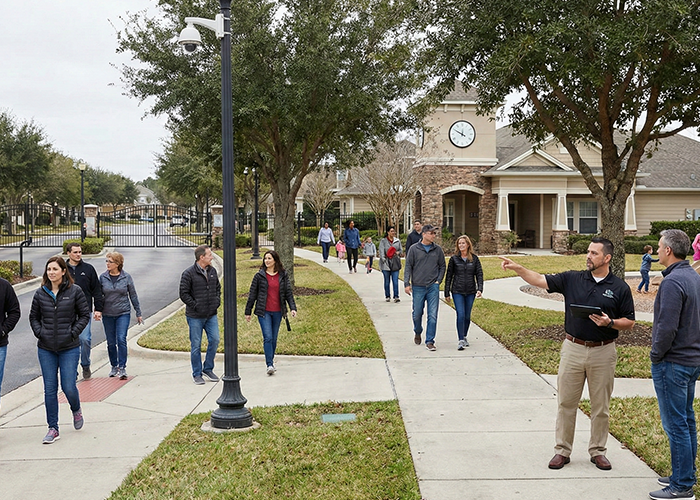
A well-managed association treats security as a core part of its duty to homeowners. The board is expected to recognize risks, maintain safety features, and address concerns before they escalate. While no system can eliminate every threat, a thoughtful plan demonstrates care for the well-being of the entire neighborhood.
Attention to liability also plays a role here. Unrepaired gates, faulty lighting, or ignored safety complaints can lead to preventable incidents on common property. Issues like these place the association at risk, especially if residents argue that the board failed to act. Clear policies and regular maintenance help reduce that exposure.
Confidence grows when a community invests in safety. Residents tend to participate more, amenities feel more inviting, and the overall character of the neighborhood strengthens. Although the HOA does not operate as a police force, it can still provide secure access controls, consistent rule enforcement, and strong partnerships with local law enforcement.
Access Control and Perimeter Management for HOA Security
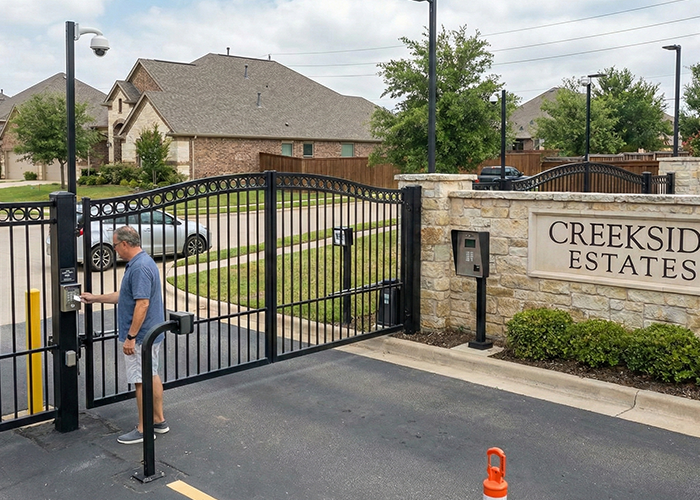
The first layer of HOA security often starts at the boundary of the community. When entry points function properly, the association sets the tone for the environment inside. Visitors, vendors, and residents understand that the space is monitored and intentionally protected.
Gates, Fencing, and Walls
Perimeter structures work best when kept in reliable condition. Even a single gap in a fence or a malfunctioning gate can undermine the entire system. Routine inspections help identify wear, storm damage, or weak areas that need attention. These small checks often prevent larger problems later.
Credential-based access adds a second layer of control. Key fobs, transponders, and keypad codes must be updated regularly so that outdated or compromised credentials do not remain active. Immediate deactivation of former residents’ access helps maintain the integrity of the system.
Visitor Management and Technology
Visitor entry tools have evolved significantly. Systems that log license plates or provide temporary digital codes give residents a convenient way to manage guests while still supporting community safety. Many modern platforms create reliable entry records that assist law enforcement when needed.
Technology only delivers its benefits when residents find it easy to use. Clear instructions, accessible support, and regular system checks encourage consistent compliance. When the process feels smooth, people are more likely to use it correctly.
Technological Deterrents and Monitoring

Security cameras and lighting form a structured foundation for monitoring common areas. Their presence alone often influences behavior, but their real value becomes clear when an incident requires review.
Strategic Placement of Surveillance
Thoughtful camera placement ensures coverage of high-traffic and high-value locations. Entry gates, mail centers, and community amenities often require special attention because of the foot traffic they attract. Visible cameras help discourage wrongdoing, while recorded footage becomes a helpful tool for investigations.
Clear internal policies protect both the association and its residents. Only authorized individuals should view or access footage, and retention timelines must follow state and local requirements. Respect for privacy strengthens trust in the system.
Lighting and Visibility
Good lighting remains one of the most practical security tools available. Walkways, parking areas, and amenity spaces benefit from lighting that promotes safety and reduces opportunities for unwanted activity. When lights fail, prompt replacement keeps the community from slipping into avoidable risk.
Landscaping ties directly into lighting effectiveness. Overgrown shrubs or branches can create hiding spots or block camera views. A coordinated landscaping and lighting approach maintains the visibility needed for a safer community.
Resident Engagement and Proactive Safety

HOA security grows stronger when residents feel comfortable speaking up and staying aware. A community culture that encourages communication often prevents small issues from turning into major concerns.
Encouraging Neighborhood Watch
Neighborhood Watch programs remain one of the most effective ways to involve residents in safety efforts. These programs keep neighbors informed, support timely reporting of suspicious activity, and help law enforcement understand patterns within the community. The HOA’s role often centers on communication support rather than direct oversight.
Community portals, text alert systems, and meeting reminders give these programs structure. Participation feels easier when information flows clearly between residents and the management team. Over time, this shared responsibility fosters a stronger sense of connection.
Enforcement of Safety Rules
Consistent enforcement of established rules strengthens the overall safety plan. Rules related to pets, fire hazards, or speeding may appear routine, yet they play a major role in preventing injuries or property damage. Regular reminders and fair enforcement show that safety expectations apply to everyone.
A community becomes safer when these standards remain predictable. Residents appreciate knowing that the board handles concerns evenly and responds to risks without delay. That predictability reinforces long-term trust.
Security in Amenity and Financial Management
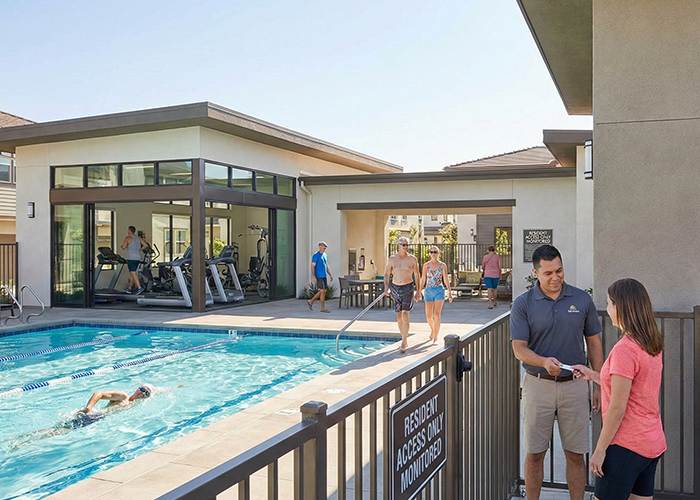
Security does not end at gates and fences. Internal systems, amenities, and financial assets must also be carefully shielded from misuse or unauthorized access.
Amenity Access Control
Shared amenities attract constant activity and require structured oversight. Gyms, pools, and clubhouses function best when access is tied to key cards or similar controlled systems. These tools help track usage and restrict access for residents with outstanding violations or unpaid assessments.
Pool areas deserve particular attention. Local and state regulations often outline rules for fencing, supervision, and emergency equipment. Clear signage and reliable access controls limit unauthorized entry and reduce the risk of accidents in these high-liability zones.
Financial and Data Security
Sensitive information must be protected through secure platforms and responsible governance practices. Management teams should rely on encrypted software rather than personal email accounts or unsecured devices. These steps limit exposure to cyber threats and unauthorized access.
Fraud prevention measures, such as Positive Pay or regular external audits, offer another essential layer of protection. Associations rely on reserve funds to maintain long-term stability, so careful oversight ensures those assets stay secure.
Creating a Safer and More Confident Community
A strong HOA security plan blends prevention, awareness, and consistent management. Technology supports visibility, access controls streamline daily operations, and residents contribute through active communication. Together, these elements reinforce the board’s fiduciary commitment to safety.
Good governance in a homeowners association depends on more than a board of directors working behind the scenes. HOA committees give residents the ability to take part in decisions that influence the community they live in. These groups also make it easier to manage ongoing responsibilities without becoming overwhelmed by day-to-day details.
Committees often work quietly, yet their contributions shape a large part of community operations. When residents understand what HOA committees do, it becomes much easier for them to participate and feel like they have a real voice in neighborhood matters.
What HOA Committees Do and Why They Matter
HOA committees refer to volunteer groups that handle specific responsibilities assigned by the board. They assist with research, review issues, and provide trusted recommendations. Their work offers a way to engage more people, especially in communities with many ongoing needs.
Most associations include committees because governing documents or recent board resolutions permit their existence. Even so, these groups do not make final decisions. The board remains the decision-maker for policies, disciplinary actions, and association finances. Committees instead support those choices by offering organized feedback drawn from resident experience.
Many homeowners feel more connected to their neighborhood when given a chance to share knowledge or help solve common issues. This sense of ownership often leads to more respectful participation during meetings and better compliance with rules. As a result, the board receives more cooperation and fewer conflicts.
Standing Committees for Long-Term Community Needs

Standing committees typically operate year-round because their responsibilities do not end. They are vital to consistent community oversight and long-term governance.
Architectural Review Committee
The Architectural Review Committee, often known as ARC, reviews exterior modifications such as roof replacements, landscaping changes, or new structures. It also makes sure projects follow guidelines established in the CC and R documents.
Most homeowners encounter this committee when they request approval for exterior projects. Their review protects neighborhood appearance and helps avoid disputes between neighbors. Property values can benefit as well, since exterior uniformity supports curb appeal for everyone.
Nominating and Election Committee
This committee organizes transparent elections by reviewing candidate eligibility and confirming that ballots are handled properly. It prepares election materials, follows voting rules found in the Bylaws, and ensures a smooth election process each year.
Professional elections help avoid concerns about favoritism or unclear results. Residents also feel more confident about leadership when elections are handled with consistent procedures based on governing documents and state requirements.
Finance Committee
Many boards request help from residents with finance experience. A Finance Committee typically reviews budget drafts, reserve planning needs, and monthly statements produced by the association manager. Members might also monitor insurance renewals, vendor contracts, and reserve funding strategies.
Their insight gives the board financial information that supports budget decisions and long term financial planning. Helpful financial guidance can prevent future surprises, especially for aging infrastructure and ongoing maintenance expenses.
Addressing Unique Issues With Ad Hoc or Advisory Committees

Ad hoc committees are temporary groups formed to solve a particular issue or accomplish a defined project. Once the assignment is completed, the board usually disbands the committee. Advisory groups may also be formed when the board seeks deeper research on a topic that affects a limited part of the community.
Social and Welcome Committees
Social Committees organize events that encourage neighbors to meet each other, including small gatherings, holiday parties, or summer activities. Many associations notice improved cooperation when neighbors get to know each other in relaxed settings.
Welcome Committees, on the other hand, greet new residents and provide helpful materials about the community. New homeowners often appreciate learning about amenities, architectural rules, or trash collection schedules during their move-in period. This early outreach reduces confusion and can improve early compliance with rules.
Reserve Study or Capital Projects Committee
Capital project planning sometimes requires technical knowledge. Large projects such as pavement replacements or pool renovations often need several vendor estimates, contractor evaluation, and project supervision. A committee dedicated to this task helps the board review technical proposals without rushing decisions.
Reserve Study committees may assist analysts by identifying all common assets, reviewing estimated life cycles, and confirming current replacement conditions. Once the report is finalized, the committee’s job is usually complete.
Enforcement Committees and Operational Oversight
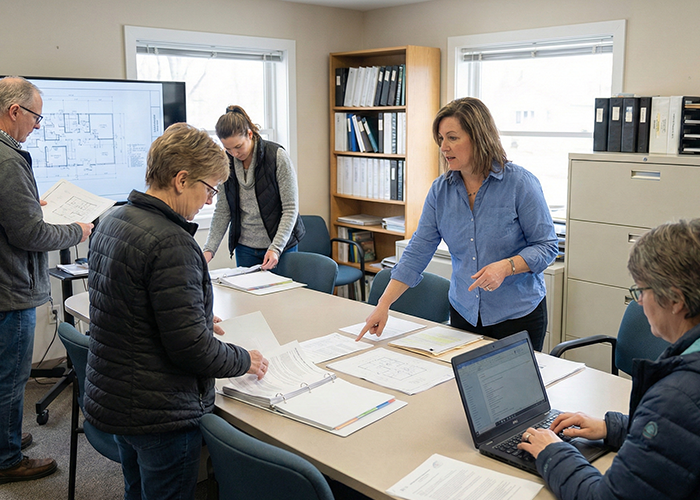
Some communities form committees for oversight of more sensitive tasks. These duties require strict policies and careful communication with the manager and residents.
Covenants Enforcement Committee
This committee may review alleged violations or complaints before they are escalated to the board. It might send courtesy warnings and collect evidence of violations. It also holds hearings in some communities.
Even so, the committee cannot typically impose fines without the board’s approval. Its main purpose is to support fair procedures, follow governing documents, and manage a high volume of compliance issues. Clear documentation is important at this stage because enforcement actions must be legally supported.
Safety and Security Committee
Communities that prioritize safety may form a committee dedicated to reviewing camera systems, visitor access policies, or emergency planning. Some groups also coordinate with neighborhood watch programs or local public safety departments.
Research collected by the committee assists the board in comparing options for safety improvements. Their recommendations often help residents feel informed rather than worried when new measures are being considered.
How Management Companies Support Committees

Professional managers guide committees by clarifying the limits of their authority. While committees provide valuable assistance, management teams protect the association by ensuring volunteers comply with legal requirements.
The management company offers administrative support by preparing meeting notices, sharing documents, and organizing reports for the board agenda. It also helps maintain accurate records, especially for architectural and enforcement matters. Proper documentation provides a clear record of committee actions should questions arise in the future.
Committee members often rely on managers for background information about bylaws, state requirements, and financial policies. With proper guidance, committees can focus on practical tasks without risking unauthorized decisions.
Encouraging Participation in HOA Committees

Communities benefit whenever residents decide to help. Participation can also build friendships and reduce tension during board meetings. Every committee member brings unique skills, whether personal experience in construction, finance, event planning, or simply a desire to help protect property values.
Some residents prefer smaller tasks instead of long-term commitment. Committees make it possible for more neighbors to contribute in ways that fit their schedules and comfort levels. A supportive committee environment also encourages younger residents or newer homeowners to assist without feeling intimidated.
Although boards remain responsible for decisions, committees enable residents to shape neighborhood priorities and raise concerns the board might not otherwise notice. Volunteers often feel good knowing they are making a positive impact and improving the place they call home.
Community Effort
Committees allow homeowners’ associations to operate more efficiently, especially in larger communities with many ongoing needs. Through shared involvement, community life becomes more organized and more welcoming.