
First impressions matter, especially when it comes to homes. A well-kept exterior can dramatically improve a neighborhood’s look and enhance property value. Focusing on curb appeal doesn’t have to be expensive or complicated, and simple landscaping changes can make a big difference.
Why Curb Appeal Matters for Homeowners
Curb appeal is more than just a visual asset. It signals to visitors, neighbors, and potential buyers that a property is well cared for. A tidy lawn, healthy plants, and clean walkways suggest pride in ownership and attention to detail.
In communities governed by homeowners associations, maintaining curb appeal benefits the entire neighborhood. Homes that look attractive can help preserve property values for everyone. Even small changes, such as adding seasonal flowers or trimming overgrown shrubs, can dramatically improve a home’s overall look.
Curb appeal also plays a practical role. A well-landscaped yard can prevent soil erosion, improve drainage, and reduce pests. In addition, it makes daily life more enjoyable for homeowners and visitors alike.
Start With Your Lawn
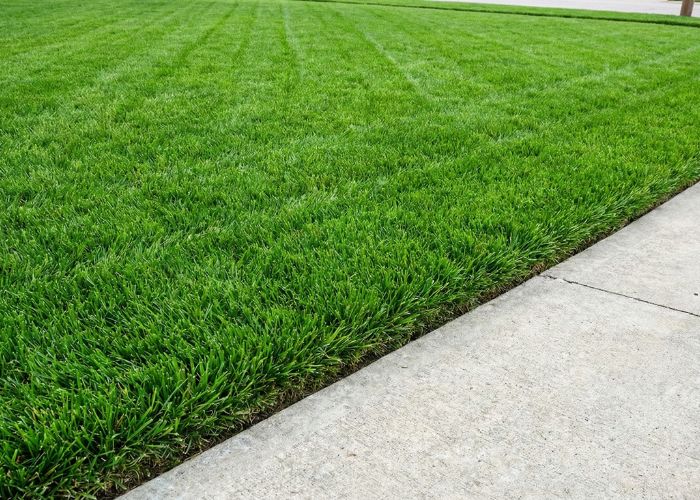
The foundation of any landscaping project is a healthy lawn. Grass that is lush, green, and evenly cut provides a welcoming backdrop for any home. Regular mowing and fertilizing are essential to maintain this base.
Address problem areas such as bare patches or weeds promptly. Overseeding or adding fresh topsoil can revitalize worn spots. While these improvements may seem minor, they can greatly enhance the overall appearance of your yard.
Pay attention to the edges of your lawn. Clean, crisp borders along driveways, sidewalks, and flower beds create a polished, intentional look. Homeowners who invest a few extra minutes in edging often see their curb appeal improve significantly.
Incorporate Seasonal Plantings
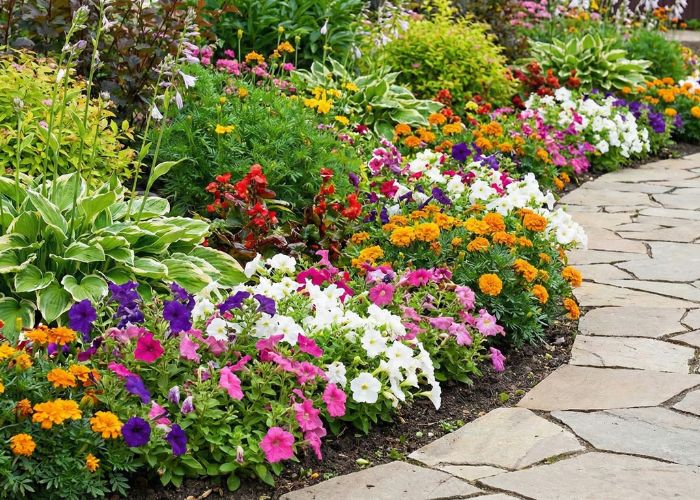
Adding seasonal plants and flowers is a simple way to add color and personality. Choose plants that thrive in your region’s climate to reduce maintenance needs. Combining annuals and perennials allows for continuous blooms throughout the year.
Consider planting along pathways, near entrances, or around trees. These spots naturally draw the eye and create a welcoming atmosphere. While seasonal flowers are visually appealing, including shrubs and small trees adds structure and depth to the yard.
Layering plants of different heights can create a sense of balance. Low-growing flowers in the front with taller shrubs behind help guide the eye and add dimension to the landscape.
Keep Walkways and Driveways Clean
Even the most beautiful yard can lose its appeal if paths and driveways appear neglected. Cracked pavement or overgrown edges can detract from an otherwise well-kept home. Simple maintenance, such as pressure washing and edging, can make a noticeable difference.
Adding mulch along walkways and garden beds is another low-effort strategy. Mulch improves soil health, helps retain moisture, and gives the landscape a tidy appearance. Replacing old or faded garden edging can also refresh the overall look of pathways.
Lighting can further enhance walkways. Subtle landscape lighting highlights paths and adds a layer of safety for residents and visitors during evening hours.
Focus on Trees and Shrubs
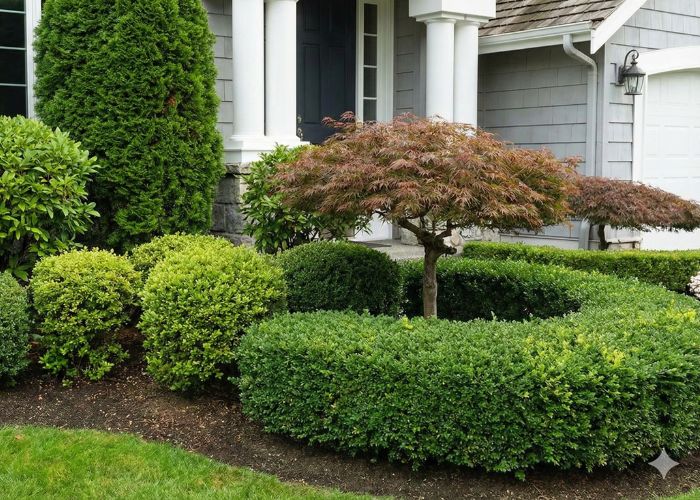
Trees and shrubs play an important role in curb appeal. Mature trees provide shade, privacy, and visual interest. Keeping them well-trimmed ensures they remain healthy and attractive.
Shrubs can be used to frame windows, line driveways, or create natural barriers between spaces. Proper pruning and regular maintenance prevent overgrowth and maintain balance within the landscape. Choosing plants with varying textures and foliage colors adds variety and depth.
Consider native trees and shrubs for low-maintenance landscaping. Native plants often require less water and are more resistant to local pests, providing a sustainable way to maintain beauty year-round.
Add Personal Touches
While structural landscaping is important, small personal touches make a home stand out. Potted plants near the entrance, a welcoming doormat, or decorative garden ornaments can create a friendly, inviting environment.
Outdoor furniture that complements the home’s style can turn a simple front porch into an attractive space. Homeowners who combine function with aesthetics enhance both curb appeal and livability.
Consider seasonal decorations as well. Subtle, tasteful displays for holidays can keep the exterior feeling fresh and engaging without appearing cluttered.
Maintain Regular Upkeep
Even the best landscaping design will lose its charm without consistent maintenance. Regularly watering, weeding, trimming, and mowing ensures the yard stays vibrant and welcoming.
Keeping gutters clean, repainting fences when necessary, and repairing small exterior damages contribute to an overall polished appearance. Homeowners who schedule seasonal check-ins often prevent problems before they affect curb appeal.
Consistency is key. A small weekly commitment to landscaping can make a significant difference over time, keeping your home attractive year-round.
More Than Just Aesthetics
Curb appeal is a powerful way to enhance both the beauty and value of a property. With simple landscaping changes and regular maintenance, homeowners can create a welcoming environment for guests and neighbors alike. Taking these steps ensures a home stands out in the best possible way.
Looking for professional help in handling your HOA’s landscaping needs? Harbour Master Management offers professional community management services tailored to your needs. Call us at 401-414- 5130 or contact us online to get started!
A clear understanding of HOA vs. homeowner maintenance responsibilities often shapes how smoothly a community operates, especially when unexpected repairs or questions arise. Clarity also helps residents avoid unnecessary costs, misunderstandings, and delays.
What Are HOA vs. Homeowner Maintenance Responsibilities?
A community’s governing documents remain the only reliable source for determining who maintains what. The Covenants, Conditions, and Restrictions (CC&Rs), together with the Bylaws, outline the legal boundaries between common property and privately owned space. Familiarity with these documents allows homeowners and board members to handle issues more confidently.
Property type also plays a major role in determining responsibility. Single-family homes, townhomes, and condominiums each follow different maintenance structures. Most decisions revolve around whether an item serves the individual home or the community as a whole. Confusion often appears when a component — such as a fence, pipe, or utility line — sits on a boundary or serves multiple units. In those moments, returning to the documents remains the most reliable approach.
Maintenance Divisions by Housing Type
Maintenance duties always trace back to the legal structure of the property. Recognizing how responsibilities shift between detached homes, attached units, and condominiums helps prevent disputes and ensures the correct party handles a repair.
Single-Family Homes
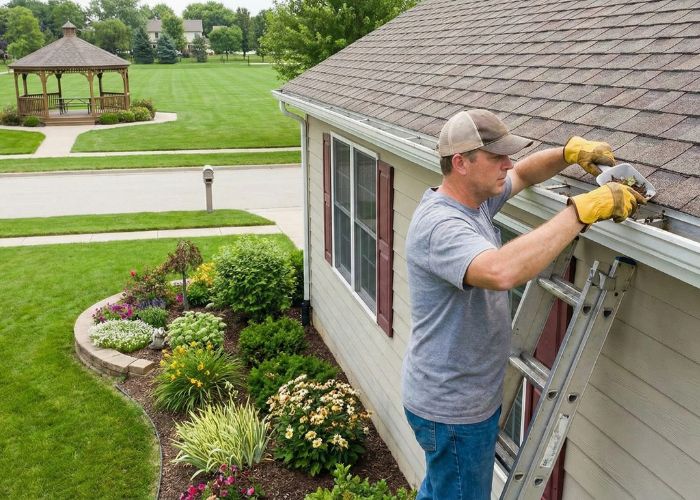
Maintenance responsibilities are typically the most straightforward for single-family homes. Homeowners usually handle all upkeep on their lot, including items such as the roof, exterior walls, landscaping, driveway, and fencing. The HOA’s role usually focuses on community standards and the maintenance of shared amenities or open spaces.
Some items, such as water lines between the meter and the home, catch homeowners off guard because they feel like shared components. These lines normally fall under the homeowner’s responsibility, making proper insurance essential. The association becomes involved only when repairs touch true common property, such as community roads or monuments.
Townhomes and Attached Housing
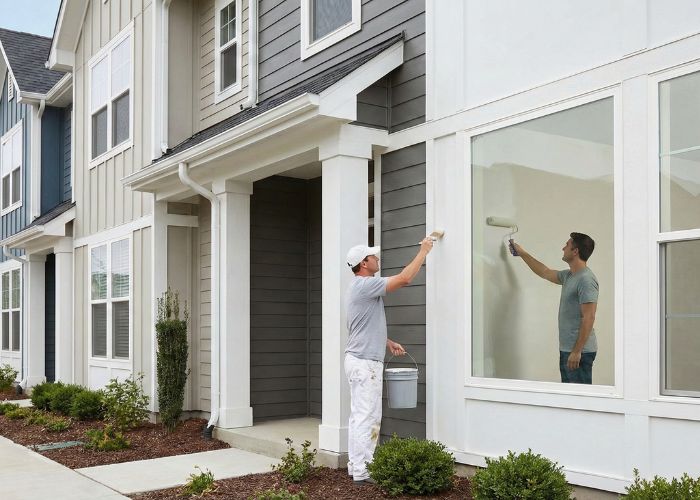
Attached housing introduces additional layers of responsibility because units share walls and, in many cases, roofs. Associations commonly maintain exterior components like siding, paint, roofing materials, and trim to keep the appearance uniform throughout the community.
Homeowners remain responsible for everything inside the unit boundary, including interior utilities, fixtures, and finishes. Some items vary by community, such as windows, doors, and entryways. Reviewing the exact language in the governing documents helps residents understand their specific obligations.
Condominiums
Condominium communities have the most clearly defined boundaries, often described as “paint-in” or “airspace.” The HOA typically maintains everything outside the unit’s interior walls, including structural systems, foundations, roofs, and shared utility chases. These elements fall under the community’s master insurance policy.
Homeowners handle all non-structural components inside the unit, such as flooring, appliances, cabinets, and interior finishes. When damage originates from a common pipe inside the wall, the association usually repairs the pipe while the homeowner addresses interior repairs to personal property and unit finishes.
Common Areas That Cause Confusion
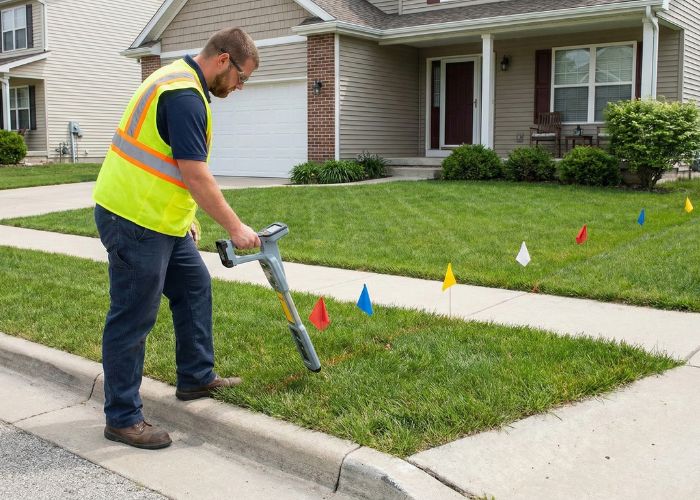
Several components consistently raise questions because they benefit both the individual homeowner and the community. Understanding their typical maintenance assignments keeps issues from escalating.
Perimeter Fencing and Walls
Fences or walls between two private lots are frequently shared by both homeowners. When a fence borders a common area or public roadway, the association usually takes responsibility to preserve uniformity and visual appeal along shared boundaries.
Drainage Systems
Drainage structures inside common areas—such as storm drains, catch basins, or main channels—are maintained by the HOA. Homeowners usually handle swales or drainage paths located entirely within their lot. Blocked private drainage features can affect neighboring properties and the community system as a whole.
Utility Lines
Responsibility for utilities typically follows the service point. Main lines under community streets generally fall under the association or the utility provider. Once the line branches to serve a specific home, the homeowner often takes over responsibility, even when sections of the line sit in the front yard. This is especially common for water and sewer service lines.
The Importance of Preventative Maintenance
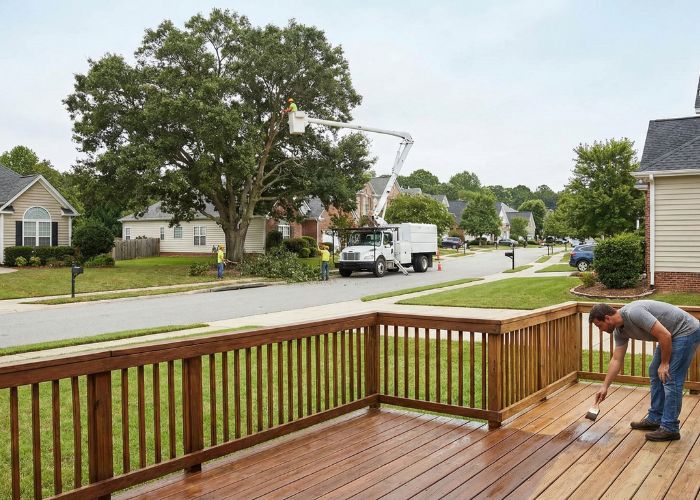
Preventative maintenance benefits the entire community, regardless of who holds the official responsibility. Associations support the neighborhood by inspecting roofs on multifamily buildings, maintaining drainage systems, and caring for shared landscaping. These efforts protect property values and reduce the chance of larger repairs.
Homeowners contribute by maintaining gutters, monitoring window and door seals, and managing landscaping around the home. Neglected maintenance can create extensive repair needs and may leave the homeowner responsible for secondary damage affecting common elements.
A strong partnership between residents and the management team keeps problems manageable. Prompt reporting of issues—such as fallen tree limbs, damaged lighting, or broken irrigation—helps the association address concerns before they escalate.
Having Clear Responsibilities
A clear understanding of HOA vs. homeowner maintenance responsibilities allows residents to navigate repairs with confidence and supports a well-run community. Regularly reviewing the governing documents and asking the management team for clarification when needed ensures that each party fulfills its role.
Looking for professional help in handling your HOA’s landscaping needs? Harbour Master Management offers professional HOA management services tailored to your needs. Call us at 401-414- 5130 or contact us online to get started!
Managing a community landscape is an ongoing process heavily dictated by the changing weather and growing conditions of the region. A clear and comprehensive Seasonal HOA Landscaping Checklist allows the board and management team to ensure consistent beauty and adherence to the budget throughout the year.
The Importance of the Seasonal HOA Landscaping Checklist
For an HOA board, the landscape is often the single largest line item in the annual budget. It also represents the most visible asset of the community. Using a seasonal checklist is not merely about scheduling work; it is about establishing a methodical, proactive approach to asset protection and financial stewardship. This structured plan helps the association avoid costly reactive repairs.
A successful landscaping contract relies on mutual clarity regarding the scope of work for each period, from dormancy to peak growing season. This checklist ensures that essential tasks, such as irrigation system tune-ups or seasonal plantings, are performed precisely when they are most effective for plant health. This detailed planning helps to maximize the investment in the common areas.
Furthermore, a publicly communicated checklist informs homeowners about scheduled work, when it will happen, and why. This transparency reduces surprise and helps residents understand their own responsibilities when it comes to coordination, such as temporarily moving vehicles to accommodate mulching or pruning crews. This clear communication builds confidence in the management’s efforts.
Spring: Preparing for Growth and Color
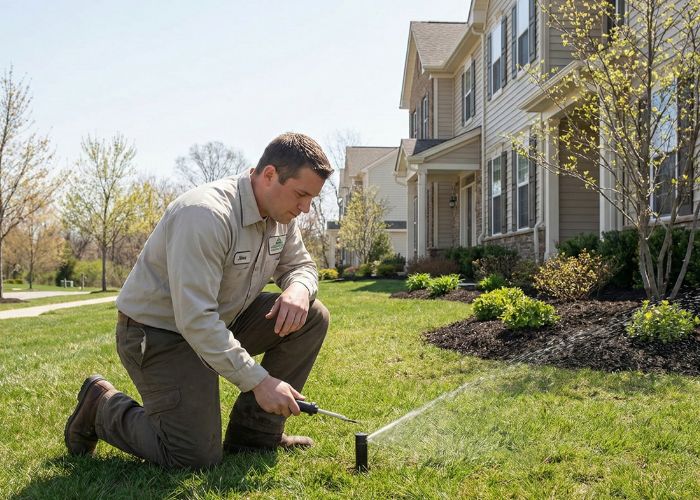
As the ground warms and winter dormancy ends, the focus shifts to recovery and intense preparation for the heavy growing season ahead. Spring is the busiest time for the association’s landscaping team, involving major cleanup and the necessary steps to promote a healthy turf and vibrant flower beds. This careful work lays the foundation for summer beauty.
Turf Health and Fertilization
A foundational step in spring is the crucial first application of fertilizer, often combined with pre-emergent weed control to inhibit summer growth. This feeding provides the necessary nutrients to help the lawn recover from winter stress and achieve a deep, green color. Soil testing is performed periodically to ensure the nutrient mix being applied is perfectly suited to the specific needs of the local turf and plant life.
The irrigation system is carefully examined and activated in the spring, a process known as the ‘start-up.’ All lines and sprinkler heads are checked for winter damage, leaks, or blockages that could lead to water waste or uneven coverage later in the season. Proper calibration ensures that the community’s water use is efficient and compliant with any local restrictions.
Flower Beds and Annual Plantings
Flower beds are meticulously cleaned of winter debris, old mulch, and any lingering dead plant material. A fresh layer of mulch is then applied throughout the common areas. This cosmetic refresh instantly brightens the community’s appearance and helps the soil retain moisture during the initial warmer days.
The selection and planting of spring and summer annuals is a highly visible task that occurs after the threat of frost has passed. These strategic flower placements in entry areas and amenity centers provide those attractive bursts of color that instantly elevate the overall aesthetic. The chosen colors and varieties are always designed to complement the architecture of the community.
Summer: Focus on Maintenance and Water Management
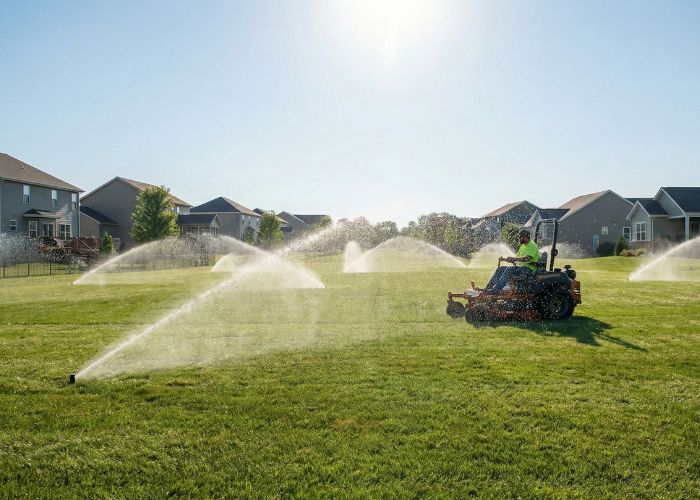
The summer months transition from growth stimulation to rigorous maintenance, with the primary challenges being consistent mowing, weed control, and managing heat stress. The appearance of the community during this time is determined by the commitment to weekly upkeep and careful monitoring of environmental conditions.
Irrigation and Drought Strategy
Maintaining consistent moisture is paramount in the hot summer, particularly in areas susceptible to drought. The irrigation schedule should stay constantly adjusted based on rainfall and temperature fluctuations to prevent dry spots and unnecessary water usage. This precise management is often monitored remotely by the landscape contractor for optimal efficiency.
The landscape crews dedicate significant time to managing weeds, which thrive during the warm, wet months. Broadleaf weeds in the turf and persistent invaders in the planting beds are continually spot-treated and removed. This consistent effort prevents minor issues from quickly escalating into costly, widespread problems.
Pruning and Aesthetic Upkeep
Shrubs and hedges undergo routine, prescriptive pruning during the summer to maintain their intended shape and size. This work ensures that walkways, sightlines, and street signs remain clear of obstruction. For this step, you should take care not remove too much foliage, which could expose plants to summer sun damage.
You should perfom routine inspections and regularly pressure wash hardscape elements. Clean hard surfaces create a sharp, well-maintained contrast against the green landscape. Additionally, crews monitor the health of trees for signs of pests or disease that could pose a risk to residents or infrastructure.
Fall: Cleanup, Renewal, and Winter Preparation
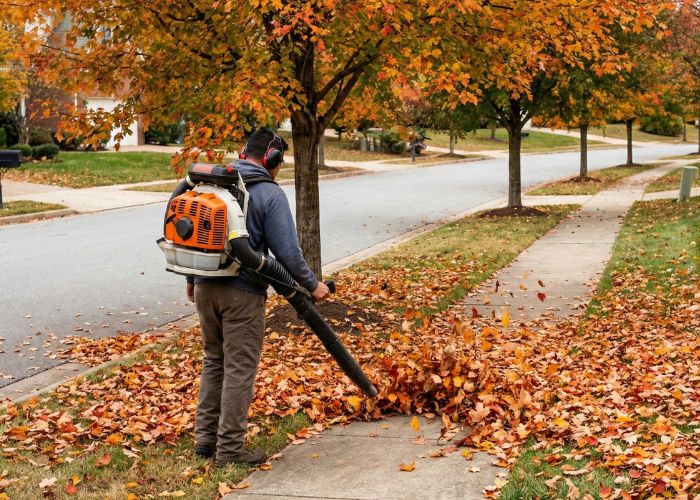
As temperatures begin to drop, the focus shifts to preparing the landscape for dormancy and ensuring a smooth transition into the colder season. Fall is a critical time for long-term turf health and is when most of the heavier, restorative work is performed on the common areas.
Leaf and Debris Removal
The most visible task in the fall is removing leaves from common areas and street gutters. You will need consistent and thorough leaf cleanup. Doing so helps preserve aesthetics and prevent turf smothering and clogged storm drains. If ignored, this can lead to drainage issues during heavy rains.
Overseeding and Aeration
In many regions, late summer or early fall is the optimal time for aeration and overseeding of the turf. Aeration relieves soil compaction, allowing air, water, and nutrients to penetrate the root zone more effectively. Overseeding, the process of planting new grass seed directly into the existing turf, ensures a dense, healthy lawn the following spring.
The landscape team also begins transitioning annual color beds by removing spent summer flowers. Then, they start planting cool-season varieties, such as pansies or kale, that provide color well into winter. Perennial plants are cut back. Meanwhile, many sensitive woody plants are treated with protective wraps or mulch to guard against severe cold.
Winter: Protection and Damage Prevention
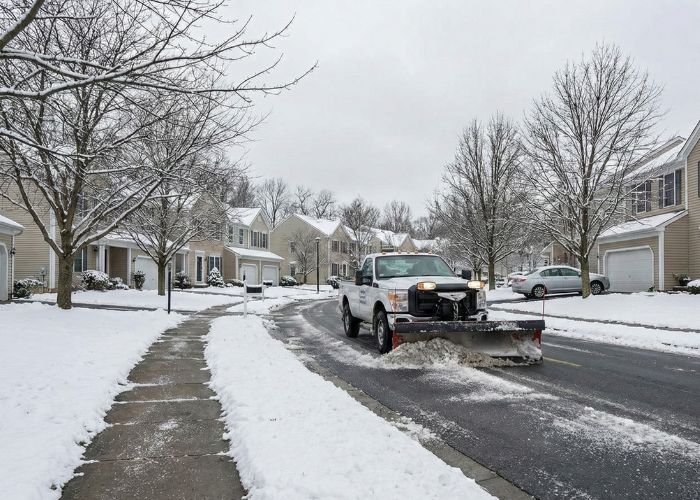
While growth slows, winter is far from a time of complete rest for the landscape maintenance program. The work shifts to monitoring, protection, and focusing on tasks that are not possible during the peak growing season.
Hardscape and Snow Management
If the community is located in a snowy climate, the winter checklist is dominated by snow and ice removal services for common roads and sidewalks. Contracts must outline specific trigger depths and response times to ensure access and safety for all residents. Salting and de-icing are applied strategically to minimize damage to nearby plant life.
Winter is an excellent time to tackle larger, structural tree pruning projects. Dormant pruning minimizes stress on the tree and makes it easier to assess the overall branch structure. See to it that you remove any trees deemed structurally unsound or hazardous during this time, often after receiving proper approval from the board.
Monitoring and Cleanup
Throughout the dormant season, crews regularly monitor common areas for damage caused by severe weather, high winds, or pests. The goal is to address damage quickly before it can become a larger problem or safety hazard. Promptly remove the debris resulting from winter storms to maintain community appearance.
You need to have your pipes professionally winterized to remove all water from the lines. This helps prevent pipes from bursting due to freezing temperatures. Your landscaping needs this process to protect the investment made in the system and help with the annual closure for the growing cycle.
By the Season
Having a detailed, season-by-season approach outlined in the landscaping checklist is proof of a board’s commitment to preserving the community’s assets and aesthetic standards. This comprehensive planning ensures that the neighborhood remains beautiful, compliant, and well-maintained throughout the entire year. A healthy landscape is a hallmark of a thriving HOA.
Looking for professional help in handling your HOA’s landscaping needs? Harbour Master Management offers professional HOA management services tailored to your needs. Call us at 401-414- 5130 or contact us online to get started!