Effective communication in HOA communities shapes how smoothly a neighborhood operates. The right approach builds trust, encourages participation, and helps residents feel included in decisions that affect daily life. Clear communication in HOA communities also prevents confusion that can easily turn into conflict.
Understanding Effective Communication in HOA Communities
Effective communication in HOA communities plays a central role in how homeowners understand rules, financial decisions, and long-term planning. Many concerns usually come from a lack of clarity and not from the decision itself. When residents understand why something is happening, resistance tends to fade and cooperation becomes much easier.
A clear communication style improves transparency, especially when explaining how assessments are used or why policies exist. Residents usually feel more confident when they know where money goes and how decisions are made. Shared information creates accountability and reduces unnecessary disputes.
The board also uses communication as a protective tool. When residents receive updates about maintenance schedules, weather impacts, or safety concerns, the community becomes better prepared. Information reaching homeowners at the right time lowers risk and prevents costly misunderstandings.
Multi Channel Engagement for Modern HOA Communities
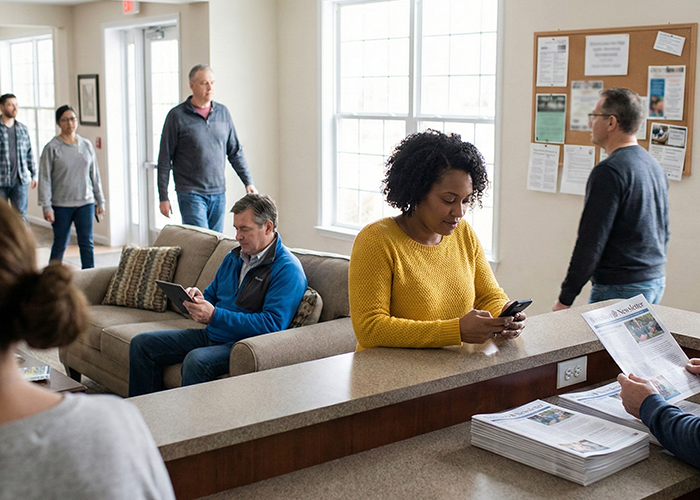
Different households prefer different communication styles. Relying on only one method almost always leaves someone uninformed. Using multiple channels gives homeowners a better chance to receive information in ways they prefer.
Using Digital Tools
Community portals and association websites serve as a central source of information. These platforms hold governing documents, minutes, forms, reports, and other reference materials. Residents benefit from having access anytime without needing to request information from management.
Email remains one of the fastest and most convenient ways to send alerts and reminders. Homeowners can quickly engage with urgent messages such as weather notices or vendor arrivals. Maintaining accurate contact information should be treated as an ongoing priority so nothing important is missed.
Traditional Communication Still Matters
Some HOA notices must be delivered in print when required by governing documents or state law. Mailed notices often carry a sense of formality that email does not always provide. Physical notices sometimes feel more official and help ensure procedural compliance.
Bulletin boards at clubhouses or gated entries continue to be useful. These displays highlight pool schedules or upcoming social activities. Visual reminders help keep everyday updates visible without overwhelming people with emails.
Creating the Right Tone and Message
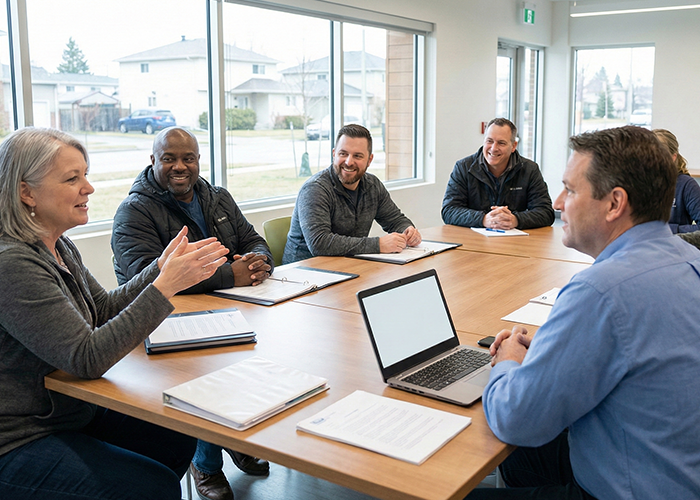
The tone of communication in HOA communities sets the mood of the neighborhood. Residents respond more positively when a message feels respectful and easy to understand. A conversational style also keeps the board approachable while remaining professional.
Clarity Creates Confidence
Information should stay simple and easy to follow. Complicated industry language often makes homeowners feel disconnected from decisions that directly affect them. Breaking down topics such as reserves, assessments, or enforcement rules helps remove intimidation and confusion.
Policy messages also need to clarify what is changing, who is affected, and when a change will happen. This strategy prevents assumptions. It also allows people time to adjust or ask questions before the change takes effect.
A Friendly but Professional Tone
Messages that feel cold or demanding increase frustration among residents. A friendly tone helps residents understand that the board is trying to make thoughtful decisions. Even difficult topics, such as fines or violations, benefit from an empathetic approach.
When homeowners need to follow new rules, acknowledging the inconvenience or sensitivity of the topic helps soften the message. Residents appreciate knowing that the board understands how decisions impact everyday life.
Communication in Key HOA Situations
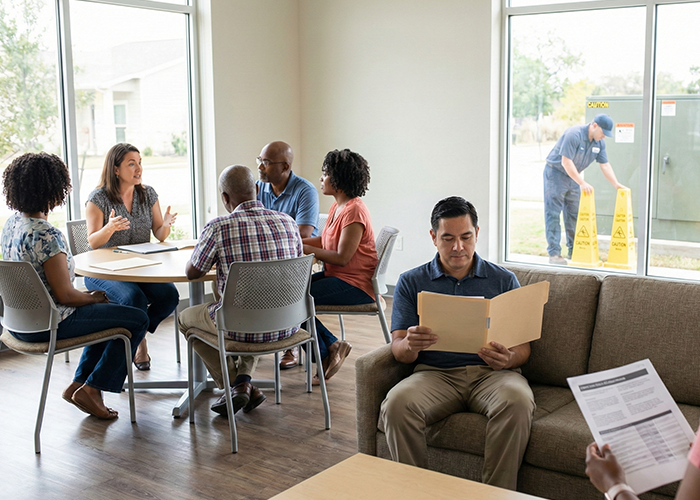
Different community scenarios require different communication approaches. Each type of message serves its own purpose and might follow legal or procedural guidelines.
Board Meetings and Minutes
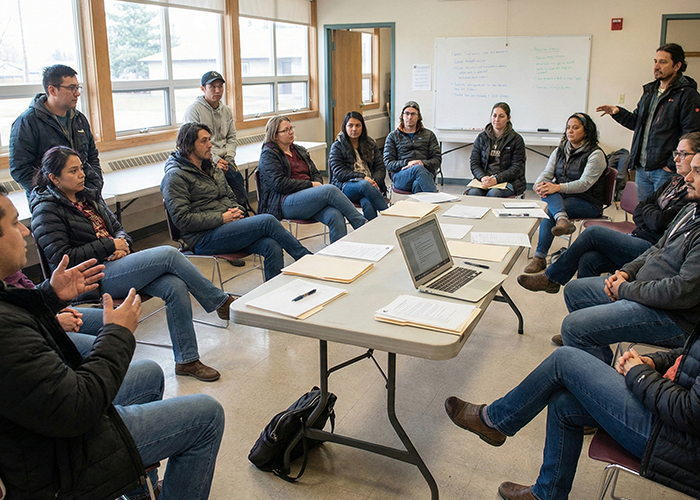
Open meetings give homeowners a space to observe decisions and express concerns. Making the meeting format predictable keeps the discussion efficient while still allowing resident participation. A dedicated homeowner comment period helps maintain balance.
Minutes also serve as an official record of board actions. Providing access to minutes soon after approval helps homeowners remain informed without needing to attend every meeting. Posting them online makes it easy for residents to follow developments at any time.
Rules and Violations
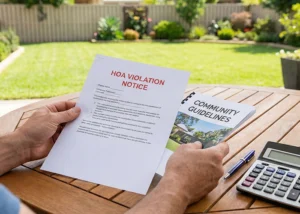
Addressing violations should always follow established policies. Violation notices must reference specific rules and give residents an opportunity to respond or request a hearing. Privacy remains essential because personal information should never be shared publicly.
Following a consistent enforcement process protects both the board and the resident. Consistency also helps prevent claims of favoritism or unequal rule application.
Emergency and Crisis Messaging
Emergencies call for fast, direct communication. Messages should focus on immediate actions residents must take such as staying away from damaged common areas or following safety guidance. After the situation improves, follow up communication often reassures residents that concerns were addressed properly.
Clear messages stating who is responsible for fixes, cleanup, or utility work also help guide expectations. When residents know what steps are being taken, uncertainty fades.
How Management Companies Support Communication
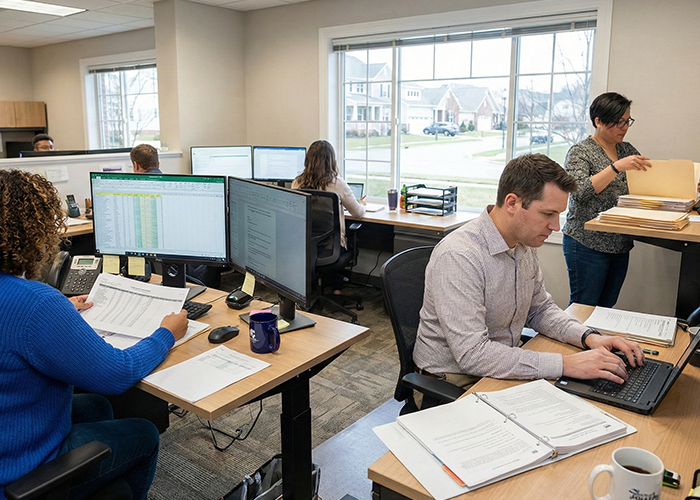
Management companies usually act behind the scenes to support smooth communication for the board. They organize homeowner contact data, prepare routine messages, and provide templates for legal notices. Their work keeps correspondence consistent and easy to manage.
Management staff also handle a large amount of resident communication. This structure prevents directors from receiving every question individually and helps keep governance efficient. Residents can still reach the board when needed while having a reliable contact for routine concerns.
Managers also understand state requirements and reporting standards. They guide the board through necessary disclosures, distribution rules, and deadlines. This professional support helps protect the HOA from legal problems caused by missed communication steps.
Making a Connection
Effective communication in HOA communities builds stronger relationships and encourages a more cooperative living environment. By offering clear messages, choosing helpful communication channels, and maintaining a professional tone, association boards can reduce conflict and support a positive experience for the neighborhood. When communication improves, the entire community feels more connected and informed.