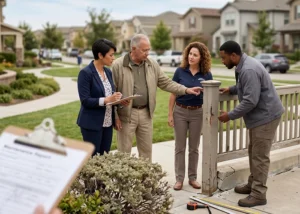
Cost management in HOAs plays a central role in keeping communities financially stable and residents satisfied. When expenses are handled with care, associations can maintain quality services without placing unnecessary strain on homeowners.
Understanding Cost Management in HOAs
Cost management in HOAs is more than balancing numbers on a spreadsheet. It is about making informed decisions that support the long-term health of the community. Every dollar spent should serve a purpose, whether that’s maintaining property values or improving daily living conditions.
In many associations, expenses can slowly creep up over time. Utility costs rise, maintenance becomes more frequent, and vendor contracts may renew without review. Without a clear strategy, these increases can go unnoticed until budgets become tight.
Strong cost management begins with awareness. Boards and managers need a clear picture of where funds are going and whether those expenses align with the community’s goals. When that clarity exists, better decisions tend to follow.
Why Cost Management Matters for HOA Communities
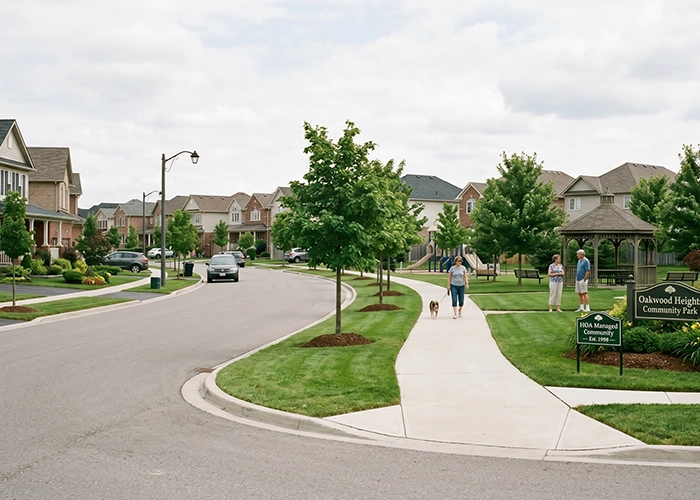
Every HOA has a responsibility to its members. Homeowners expect their dues to be used wisely, and they often notice when costs rise without explanation. That’s why cost management is not just a financial task. It is also a trust-building effort.
When expenses are controlled, associations can avoid sudden fee increases or special assessments. These situations are often stressful for residents and can lead to frustration or conflict. A steady financial approach helps maintain harmony within the community.
Cost management also protects property values. Well-maintained amenities and common areas signal that the association is financially sound. On the other hand, deferred maintenance due to poor budgeting can have the opposite effect.
Building a Realistic HOA Budget
A solid budget forms the foundation of effective cost management. It should reflect both current needs and future obligations without being overly optimistic or unnecessarily restrictive.
Creating a realistic budget starts with reviewing past financial data. Trends in spending can reveal patterns that may not be obvious at first glance. For example, seasonal maintenance costs or rising utility bills can be better planned for once they are identified.
It is also important to account for unexpected expenses. While no budget can predict every issue, setting aside a contingency amount can reduce financial stress when surprises arise.
Some key elements to include in a well-rounded HOA budget:
- Routine maintenance and repairs
- Utility costs for common areas
- Insurance premiums
- Administrative and management fees
- Reserve contributions
When these categories are carefully planned, the budget becomes a reliable tool rather than a source of uncertainty.
Evaluating and Managing Vendor Contracts

Vendor services often represent a significant portion of HOA expenses. Landscaping, security, cleaning, and maintenance contracts can add up quickly if not reviewed regularly.
It is easy for associations to continue with the same vendors year after year. While loyalty has its place, it should not come at the expense of financial efficiency. Periodic evaluations help ensure that services are still meeting expectations and that pricing remains competitive.
One effective approach is to request multiple bids for major contracts. This process not only provides cost comparisons but also opens the door to new service ideas or improvements.
When reviewing vendor agreements, consider the following:
- Scope of services and whether it aligns with current needs
- Pricing structure and any hidden fees
- Contract length and renewal terms
- Performance history and responsiveness
By taking a proactive approach, HOAs can often reduce costs without sacrificing quality.
Preventative Maintenance as a Cost Strategy
Waiting until something breaks is rarely the most affordable option. Preventative maintenance allows associations to address small issues before they turn into larger, more expensive problems.
For example, routine inspections of roofs, plumbing systems, and HVAC equipment can extend their lifespan. While these checks require an upfront investment, they often lead to significant savings over time.
Preventative maintenance also helps maintain the appearance of the community. Clean, well-kept spaces reduce the likelihood of costly repairs and improve overall resident satisfaction.
A simple maintenance plan may include:
- Scheduled inspections of major systems
- Regular cleaning and upkeep of common areas
- Timely minor repairs to prevent escalation
When maintenance is treated as a priority rather than an afterthought, cost management becomes much easier to sustain.
Leveraging Reserve Funds Wisely
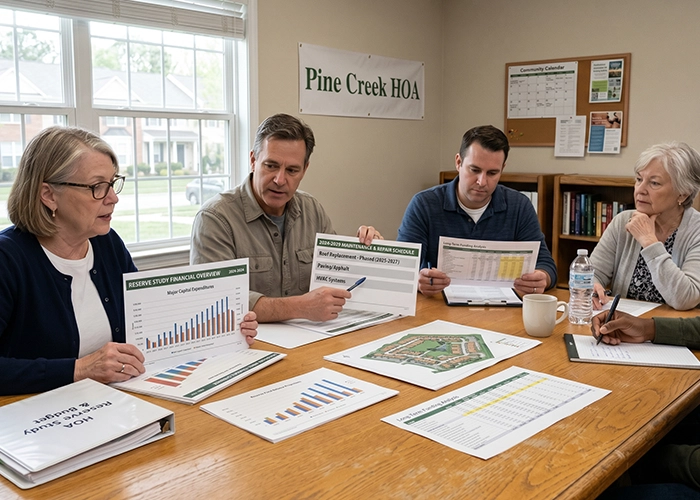
Reserve funds are designed to cover major repairs and replacements. These funds play a critical role in cost management by spreading expenses over time instead of placing a sudden burden on homeowners.
Proper use of reserves requires careful planning. Associations should conduct regular reserve studies to assess future needs and ensure that funds are being allocated appropriately.
Underfunded reserves can lead to difficult situations. When large projects arise without sufficient savings, special assessments may be required. These can strain both the association and its members.
On the other hand, well-managed reserves provide stability. They allow the HOA to handle major expenses with confidence and avoid unnecessary financial disruption.
Reducing Utility and Operational Costs
Utilities often represent a steady and predictable expense, but that does not mean they cannot be optimized. Small changes can lead to noticeable savings over time.
Energy-efficient lighting in common areas is a good example. Switching to LED fixtures can reduce electricity usage while also lowering maintenance costs due to longer lifespans.
Water usage is another area where improvements can be made. Efficient irrigation systems and regular leak checks can prevent waste and reduce monthly bills.
Other cost-saving opportunities include:
- Installing programmable thermostats in shared spaces
- Reviewing waste management services for efficiency
- Monitoring utility usage trends for unusual spikes
These adjustments may seem minor, but together they can make a meaningful difference in the overall budget.
Improving Financial Transparency and Communication
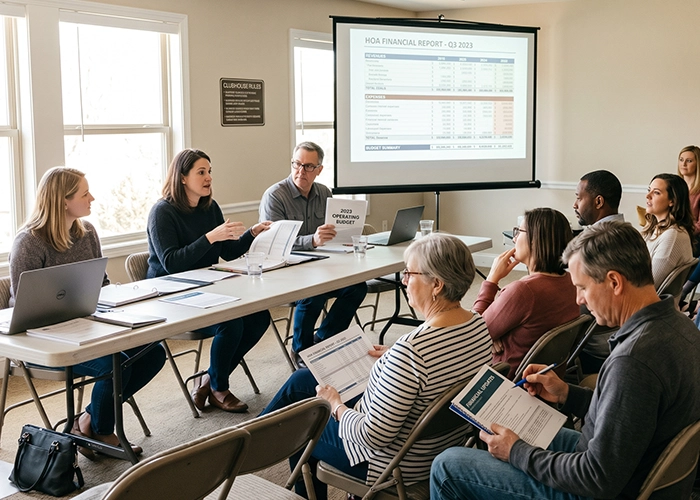
Clear communication is an often overlooked part of cost management. When homeowners understand how funds are being used, they are more likely to support budget decisions.
Transparency builds trust. Providing regular financial updates, whether through meetings or reports, helps residents stay informed and engaged.
It is also helpful to explain the reasoning behind certain expenses. For instance, if dues need to increase, outlining the factors involved can reduce confusion and resistance.
Open communication encourages collaboration. Residents may even offer suggestions that contribute to better cost management practices.
Using Technology to Streamline Expenses
Technology has become an important tool for modern HOA management. Digital platforms can simplify tasks such as budgeting, payment processing, and financial reporting.
Automated systems reduce the risk of errors and save time for both managers and board members. They also make it easier to track expenses and identify areas where costs can be reduced.
Online payment systems, for example, can improve cash flow and reduce administrative overhead. Similarly, digital record-keeping allows for quick access to financial data when needed.
By embracing technology, HOAs can operate more efficiently and make more informed financial decisions.
Planning for Long-Term Financial Health

Cost management is not just about addressing current expenses. It also involves planning for the future. Communities evolve, and financial strategies should evolve with them.
Long-term planning includes setting goals for improvements and anticipating future costs. Whether it’s upgrading amenities or preparing for infrastructure repairs, these plans should be reflected in the budget.
It is also important to review financial strategies regularly. What worked in the past may not be as effective today. Adjustments should be made as conditions change.
A forward-thinking approach ensures that the association remains stable and prepared for whatever comes next.
Common Cost Management Mistakes to Avoid
Even well-managed HOAs can encounter challenges. Recognizing common pitfalls can help prevent unnecessary expenses and financial strain.
One frequent mistake is delaying maintenance. While it may seem like a way to save money, it often leads to higher costs later. Addressing issues early is usually the more economical choice.
Another issue is failing to review contracts. Over time, outdated agreements can become less favorable, especially if market rates change.
Associations should also avoid underfunding reserves. While it may reduce short-term costs, it can create significant problems in the future.
Being aware of these risks allows HOAs to take a more proactive and balanced approach to cost management.
Stronger Community Management Starts Here
Cost management in HOAs is not about cutting corners. It is about making thoughtful decisions that support the community’s needs both today and in the future.
Looking to improve cost management in your HOA without sacrificing quality? Harbour Master Management Group can help you uncover savings opportunities while keeping your community running smoothly.
Call us at 401-414-5130 or contact us online to learn how smarter financial strategies can make a lasting difference for your association.
Related Articles:
- What Are HOA Assessments?
- Breaking Down HOA Fees and Where the Money Really Goes
- HOA Mailbox Rules: Maintenance, Repairs, and Resident Responsibilities