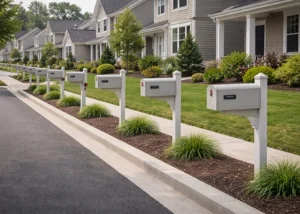
A community’s financial stability often depends on how well its banking systems support daily operations and long-term planning. Many boards find that low-quality banking arrangements create unnecessary risks, while specialized HOA banking services offer a safer and more efficient path. The right financial partner ultimately helps the board meet its legal and ethical responsibilities.
The Fiduciary Mandate for Specialized HOA Banking Services
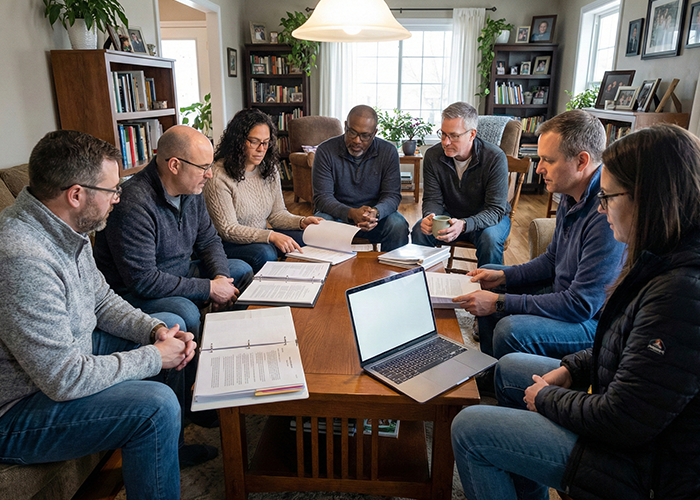
A homeowners association operates under strict fiduciary standards, and those standards shape every decision made about financial management. Association funds belong to all homeowners collectively, so they must be handled with care, transparency, and predictable security. Specialized HOA banking services give the board structure and confidence as it carries out those responsibilities.
A traditional consumer or business account rarely meets the needs of a planned community. An HOA deals with recurring mass assessments, vendor obligations, and large reserve balances, which all require tools built for precision. Banks that serve HOAs typically offer systems designed for secure financial activity, from fraud monitoring to account segregation. These services reduce risk for board members and residents by creating an organized, trackable environment for financial operations.
Partnerships with HOA-focused banks also support homeowner confidence. Clear records, timely reporting, and reliable payment systems all reinforce the idea that the board is acting responsibly. A stable banking framework becomes a protective layer for the community’s long-term financial health.
Core Banking Needs That Support Reliable HOA Operations

A well-managed HOA depends on operational clarity, reserve protection, and consistent security. Each of these pieces supports a different part of the association’s financial picture, though they work together as a unified system.
Segregated Accounts and Reserve Planning
HOAs depend on the clean separation of operating and reserve funds. This separation helps the board maintain accurate records and prevents the accidental or intentional use of long-term savings for short-term needs. Operating accounts usually handle items such as utilities, landscaping payments, and contract services. Reserve accounts hold future repair funding for items that wear out over time, including pavement, roofing, or mechanical systems.
Separate accounts also support accurate financial statements. The board can more easily monitor cash flow, review project readiness, and confirm compliance with state requirements. Many communities choose savings instruments for reserve funds that allow modest interest accumulation and limited access. This cautious approach protects the association during emergencies and keeps funds clearly designated for future capital needs.
Correct titling of accounts matters as well. When accounts are set up with the appropriate association name and category, the risk of commingling is reduced and auditors have a clear trail to follow.
Fraud Prevention Measures That Offer Peace of Mind
HOAs sometimes hold large balances, making them appealing targets for financial fraud. Strong banking security reduces this exposure and reassures homeowners that their money is protected. Banks with HOA expertise usually offer a layered approach, with services such as check validation, multi-step approvals, and alerts for suspicious activity.
Positive Pay remains one of the strongest tools in this area. This service lets the bank compare every presented check against an authorized list supplied by the management team. When a check does not match the approved record, the bank pauses the transaction for review. Communities with Positive Pay experience far fewer check-related issues, which lowers financial risk and improves confidence in the association’s internal controls.
Security features like permission-based access and transaction monitoring also help. These tools track account activity and limit who may authorize payments, reducing the chances of internal misuse.
Improving Assessment Collection and Payment Management

Financial stability depends heavily on reliable assessment collection. An HOA banking partner with strong processing capabilities can support timely income and reduce the workload on board members and management teams.
Lockbox Support for High-Volume Associations
A lockbox service helps communities that receive many check payments each month. Instead of routing mail to the management office, the bank receives and processes payments directly. This approach minimizes delays, reduces the handling of physical checks, and shortens the time between receipt and deposit.
Because payments are posted electronically, managers can update homeowner ledgers more quickly and research questions about payment dates with greater accuracy. Disputes over late fees also decline when the process runs smoothly and consistently.
Automated and Online Payment Options
Residents appreciate flexible payment systems, and communities benefit from predictable cash flow. Convenient options such as ACH transfers, online credit card payments, and secure e-check platforms make assessments easier to submit. Homeowners who prefer automatic withdrawals rarely miss a payment, which helps associations meet ongoing expenses without interruption.
Digital statements and reminders further support timely payments. Many homeowners respond quickly when they receive scheduled alerts, which prevents unnecessary late notices and collection efforts.
Expense Controls and Board Oversight
HOA banking services also play a major role in managing expenses. Strong policies reduce mistakes and limit access to funds. Many associations use dual-signature requirements on checks above a set amount, or they require two levels of approval before electronic payments can be released. These safeguards protect both the board and the management company by creating a consistent process for all financial decisions.
When banking systems integrate with management software, reconciliations become easier and faster. Accurate reports allow the board to monitor cash flow, compare actual spending to the budget, and make informed decisions throughout the year.
Maximizing Reserve Fund Strength and Protection

Reserves support the long-term condition of the community. Large projects such as roof replacement, asphalt work, or structural repairs can strain an underfunded association. Careful planning and banking support help the board maintain strong reserves without exposing the community to unnecessary risk.
Investment Options That Balance Growth and Safety
HOAs typically use low-risk instruments to store reserve funds. Many associations choose Certificates of Deposit, Money Market Accounts, or Treasury obligations. These choices allow modest interest earnings while keeping the funds available for future use. The board must always follow its governing documents and state regulations when selecting investment options.
FDIC coverage remains a crucial component of reserve protection. The standard insurance limit applies per depositor, per insured bank, so large communities often divide funds among multiple accounts or institutions when needed. This diversification provides additional stability and meets the board’s responsibility to safeguard the association’s savings.
Guidance From Qualified Investment Professionals
A Registered Investment Advisor can help boards with substantial reserves build a plan that balances safety and performance. Advisors often recommend strategies that improve FDIC coverage, maintain liquidity, and pursue conservative growth. The board retains full authority over all decisions, though professional guidance can make the process more structured.
Documented approval of all investment actions helps maintain transparency. Homeowners should always be aware of general strategies, since reserve planning affects long-term maintenance and community stability.
How Management Companies Strengthen the Banking Relationship

The management company acts as the day-to-day link between the HOA and the bank. Managers set up accounts, ensure correct titling, and maintain the flow of financial information. They also verify that signature cards, fraud controls, and reporting settings remain accurate and up to date.
A smooth relationship between the management team and the bank helps the board focus on strategic oversight rather than daily administrative tasks. Reliable processing protects the association’s financial integrity and supports budgeting, reserve forecasting, and vendor planning. As a result, homeowners benefit from stable operations and clearer communication regarding the association’s financial picture.
A Stable Financial Foundation for Every HOA
A dependable banking structure gives the board the tools needed to protect the community’s assets. Specialized HOA banking services provide greater transparency, stronger security, and streamlined payment systems. When boards prioritize account segregation, fraud controls, and efficient collection processes, they reinforce the association’s long-term financial health. These choices ultimately support a well-managed community and a smoother experience for every homeowner.