Managing a neighborhood takes a lot of time and effort from everyone involved. You can find more success by forming HOA committees to handle various community needs. This approach allows board members to focus on big decisions while residents help with the daily details.
The Importance of HOA Committees for Your Community
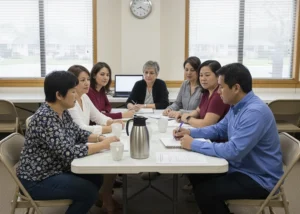
Every successful homeowners association relies on the help of dedicated volunteers. These HOA committees serve as the hands and feet of the board of directors. They take on specific tasks that might otherwise overwhelm the five or seven people sitting on the main board.
When residents join these groups, they bring unique skills to the table. A retired CPA might help with the budget, while a gardener could improve the landscaping. This specialized focus ensures that every part of the neighborhood gets the attention it deserves.
Using these groups also helps build a stronger sense of community. People feel more connected to their home when they have a say in how things work. It creates a culture of service that makes the neighborhood a more pleasant place for everyone.
Knowing the Difference Between Standing and Ad Hoc Groups
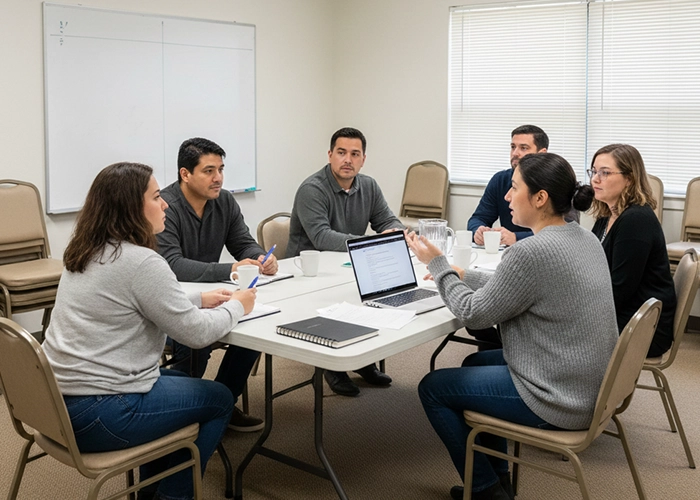
Most associations use two main types of groups to get work done. Standing committees are permanent fixtures in the community that operate year after year. These usually cover ongoing needs like finance, architectural reviews, or landscaping maintenance.
Ad hoc committees are created for a specific purpose and a short period. For example, the board might form one to plan a special anniversary party or research a new pool builder. Once the task is finished, the group is officially disbanded.
Understanding which type you need helps the board stay organized. You do not want to keep a temporary group active longer than necessary. Clear labels for these groups help volunteers understand the level of commitment they are making.
How the Architectural Review Committee Maintains Home Values
The architectural review committee is often the most important group in an association. They are responsible for making sure all home improvements follow the community standards. This work is what keeps the neighborhood looking consistent and attractive.
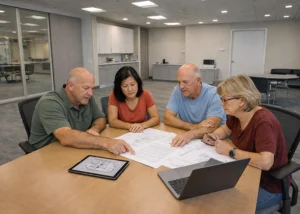
Members of this group look at applications for new fences, paint colors, or home additions. They compare these requests against the rules found in the governing documents. Their goal is to protect property values by preventing eyesores or rule violations.
This group should consist of people who are fair and detail oriented. They need to follow the rules exactly as they are written. When this group works well, the entire community benefits from a professional and polished appearance.
Managing Neighborhood Finances with a Budget Committee
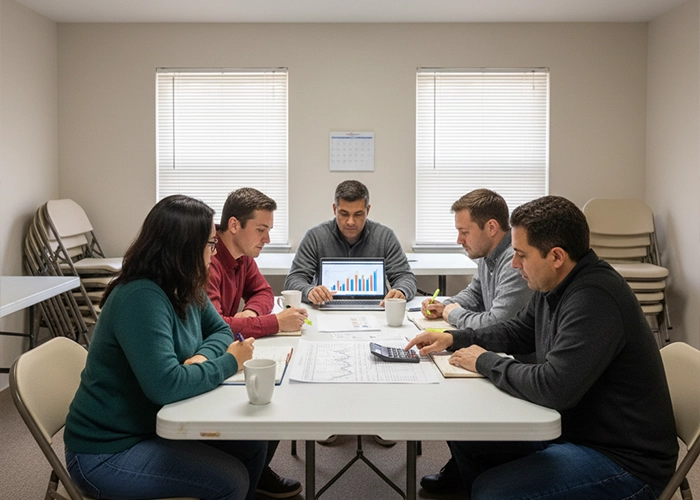
Financial health is the foundation of a stable homeowners association. A finance or budget committee helps the treasurer track spending and plan for the future. They spend time looking at the numbers so the board can make informed choices.
This group often helps draft the annual budget for the board to approve. They might also review the reserve study to see if the association is saving enough for big repairs. Having extra eyes on the bank statements provides an extra layer of transparency for the homeowners.
You should look for volunteers with backgrounds in accounting or business for this role. Their expertise can save the association a lot of money over time. They help ensure that assessments stay stable and that the bills are paid on time.
Keeping the Common Areas Green with a Landscape Committee
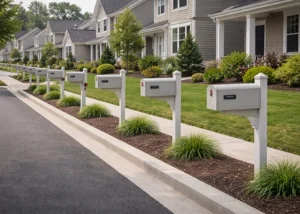
The first thing people notice when they drive into a neighborhood is the greenery. A landscape committee works to keep the entrances and parks looking their best. They act as a bridge between the board and the professional lawn care company.
These volunteers often walk the property to look for dead trees or broken sprinklers. They can suggest new flowers for the spring or ways to save water during a drought. Their input helps the board decide where to spend the landscaping budget most effectively.
A good landscape group can also help educate neighbors about their own yards. They might host a yard of the month contest to encourage everyone to keep things tidy. This creates a friendly competition that raises the curb appeal for every house on the block.
Planning Fun Events with a Social or Welcome Committee

An HOA is more than just a set of rules and a budget. It is a place where people live and raise their families. Social committees help turn neighbors into friends by planning parties and gatherings.
These groups might organize a summer barbecue, a holiday light contest, or a community yard sale. They handle the logistics of the event so the board does not have to worry about the details. These events are the best way to improve morale in the community.
A welcome committee is a specific branch that greets new homeowners. They might drop off a gift basket or a folder with important neighborhood information. This small gesture makes a huge difference in how a new neighbor feels about their new home.
Safety First with a Neighborhood Watch or Security Group
Safety is a top priority for most people when they choose where to live. A safety committee or neighborhood watch group helps keep the area secure. They work closely with local law enforcement to stay updated on local trends.
These volunteers do not act as police officers or security guards. Instead, they encourage neighbors to keep their porch lights on and report suspicious activity. They might also host meetings to teach people about home security systems or fire safety.
Having an active safety group can actually lower crime rates in an area. It sends a message that the residents are paying attention and looking out for each other. This peace of mind is one of the greatest benefits an association can provide.
The Legal Side of Forming and Using Committees
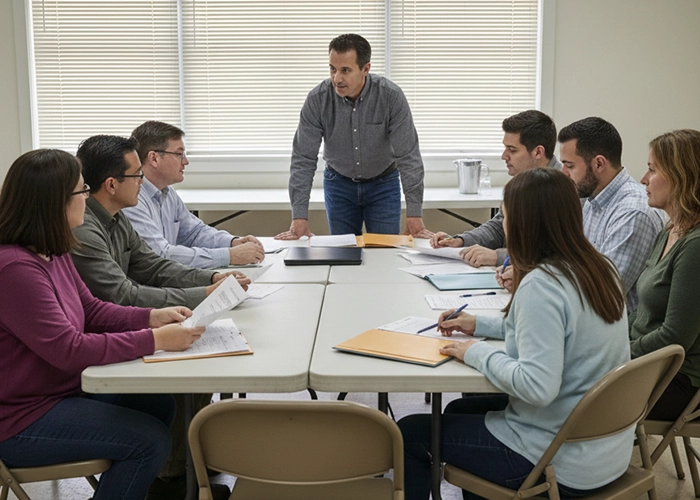
It is important to remember that committees usually do not have the power to make final decisions. Most state laws and bylaws say that only the board can spend money or change rules. The committee is there to research and make recommendations.
Every group should have a clear understanding of its limits. If a group thinks they can fire a vendor on their own, it can lead to legal trouble. The board must always have the final vote on any significant action.
You should check your association bylaws to see how many people can serve on a group. Some documents have strict rules about who can join or how meetings must be held. Following these legal requirements protects the association from potential lawsuits.
Creating a Strong Charter for Every Volunteer Group
A committee charter is a simple document that explains why the group exists. It lists the goals of the group and what they are expected to do. This document acts as a roadmap for the volunteers so they do not get off track.
The charter should also list who the group reports to and how often they should meet. It is helpful to include a budget if the group is allowed to spend any money. Having this in writing prevents confusion between the volunteers and the board.
Without a charter, groups often lose their way or start doing things they were never asked to do. It is worth the time to write these down at the start of every year. It keeps everyone accountable and focused on the tasks that actually matter.
How to Find the Best Volunteers in Your Neighborhood
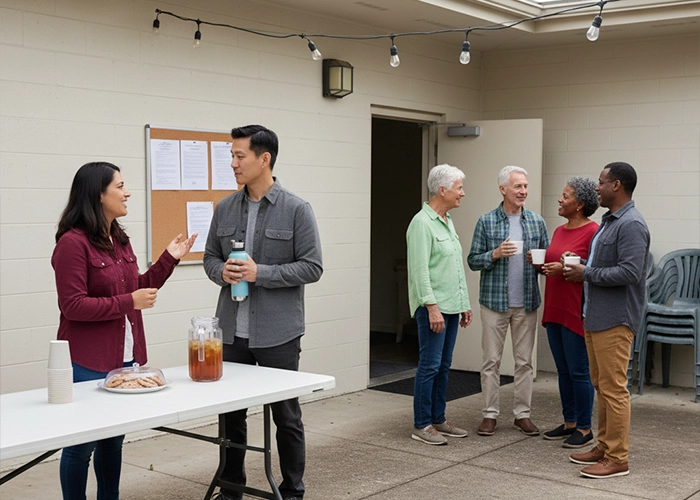
Finding people to volunteer can be a challenge for many associations. The best way to get people involved is to ask them directly. Most neighbors are happy to help if they are asked to do something that matches their skills.
You can use the neighborhood newsletter or social media pages to announce openings. Make sure to explain that the time commitment is manageable. Many people are afraid to join because they think it will take up all of their free time.
Hosting a volunteer recruitment social can also be a great idea. It allows people to ask questions in a relaxed setting without feeling pressured. When you treat your volunteers well, they are more likely to stay for a long time.
Effective Communication Between the Board and Its Committees
Communication is the most common place where things go wrong in an association. The board needs to know what the groups are doing, and the groups need feedback from the board. A board liaison is the best way to bridge this gap.
A liaison is one board member who attends the committee meetings. They do not run the meeting, but they are there to answer questions and take notes back to the board. This ensures that everyone is on the same page during the monthly board meeting.
Written reports are another great tool for staying in touch. A simple one page summary of what the group did that month is usually enough. This keeps a paper trail that can be helpful for future board members.
Running Productive Meetings Without Wasting Any Time
Nobody likes to sit in a meeting that lasts for hours without getting anything done. Committee meetings should be short, focused, and organized. Using a simple agenda can help keep the conversation on the right track.
The chair of the group should make sure that everyone has a chance to speak. However, they also need to stop people from talking about things that are not on the agenda. Setting a time limit for the meeting is a great way to respect everyone’s schedule.
Taking minutes is also a requirement for most groups. These do not have to be a transcript of everything that was said. Just record the main points and any decisions that were made to share with the board later.
Dealing with Conflict or Disagreements in Your Groups
It is normal for people to have different opinions when they care about their neighborhood. However, the board needs to make sure that these disagreements do not turn into personal fights. Setting clear ground rules for behavior can help prevent problems.
If a group cannot stop fighting, the board may need to step in and make a change. Sometimes a simple change in leadership is all that is needed to get things moving again. The goal should always be to find a compromise that benefits the community.
Remind your volunteers that they are all on the same team. They all want the neighborhood to be a great place to live. Keeping this shared goal in mind makes it easier to work through tough conversations.
Changing Members and Planning for Future Leadership
Committees are the best place to find and train future board members. It allows residents to learn how the association works before they take on a bigger role. You should encourage your volunteers to think about running for the board eventually.
It is also healthy to change the members of a group every few years. This brings in fresh ideas and prevents people from getting burned out. You do not want the same three people doing everything for a decade.
Having a plan for leadership transitions ensures that knowledge is not lost. The outgoing chair should help the new chair learn the ropes for a month or two. This keeps the community running smoothly even when people move away.
Making the Most of Professional Management Support
Managing multiple groups can be a lot for a volunteer board to handle. This is where a professional management company can make a huge difference. They have the experience to help you form groups and write clear charters.
A manager can also help store your meeting minutes and financial reports in a safe place. They act as a resource for your volunteers when they have questions about the law or the rules. This support allows your board and your groups to be as effective as possible.
If you want to take your community to the next level, Harbour Master Management Group will help you every step of the way. Our team understands how to build strong relationships between the board and your residents.
Contact us today to learn how our management services can help your HOA committees succeed.