Many homeowners wonder how their monthly assessments are being used, especially during their first year in a community. Understanding and breaking down HOA fees provides a clearer picture of how these funds support property values and long-term neighborhood stability. A little clarity also helps build trust between residents and the association.
Every community depends on this shared pool of money to maintain common property, fund essential services, and prepare for future repairs. When owners see how each part works, they usually gain a stronger appreciation of what the association accomplishes behind the scenes.
Breaking Down HOA Fees in Simple Terms

Breaking down HOA fees starts with the idea that every owner contributes a share of the community’s operating budget. That budget covers shared maintenance, essential utilities, insurance, administrative expenses, and funding for future replacement projects. Unlike a mortgage payment, the assessment is tied to both daily services and long-range planning.
Although fees vary between neighborhoods, every association follows the same basic method. The board estimates yearly expenses, adds projected reserve contributions, and divides the total by the number of units. Fees may differ in multifamily communities where certain building types require more extensive maintenance or insurance. The goal is accuracy, fairness, and financial stability rather than profit.
Some homeowners believe an assessment should only reflect today’s costs, yet that assumption rarely protects the community from unexpected expenses. A board that sets fees too low may delay necessary work, and deferred repairs often result in expensive special assessments later. Careful planning tries to prevent that outcome.
The Operating Budget and Daily Community Costs
Most of the monthly assessment supports the operating budget. This portion pays for predictable, recurring expenses that allow the neighborhood to function day after day. The list often includes landscaping, common area cleaning, amenity maintenance, utilities, and professional services that keep the association compliant.
Maintenance and Utilities
Much of the operating budget supports maintenance contracts for shared areas. Regular grounds care, pool service, janitorial work, street lighting, and seasonal tasks help protect shared spaces that everyone enjoys. These expenses may look invisible at times, yet they prevent deterioration and keep common property safe, clean, and welcoming.
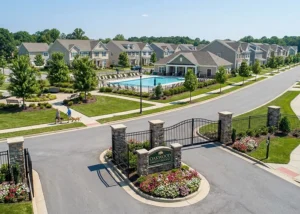
Some communities also fund landscape irrigation, lighting systems, entry monument upkeep, and recreational areas. Utility bills grow as more amenities are added, so these costs must be managed carefully. Tracking usage, reviewing vendor invoices, and evaluating competitive pricing are important parts of responsible budgeting.
Insurance and Administrative Needs
The association also pays for a master insurance policy covering liability, building exteriors (when applicable), amenities, and certain common risks. The price of this coverage depends on local conditions, previous claims history, replacement cost values, and market rates. A portion of each assessment must be reserved for this premium every year.
Administrative expenses include the management company, legal guidance, accounting services, and mailings or notices required by state law. These expenses ensure the association remains compliant, transparent, and prepared to handle legal and financial responsibilities. Without organized administrative support, boards would struggle to meet regulatory requirements and manage contracts.
The Reserve Fund and Future Replacement Costs
While the operating fund supports today’s needs, the reserve fund prepares for tomorrow’s major repairs. A healthy reserve protects homeowners from sudden financial pressure and helps maintain property values. Without sufficient reserves, a single large repair might require an immediate special assessment, which few owners welcome.
Why Reserves Exist
Reserve funds are set aside to pay for expensive components that eventually wear out. Roads, roofs, elevators, clubhouse structures, fencing, and pool equipment all have limited service life. When these elements need replacement, the reserve fund absorbs the cost without requiring emergency funding from homeowners.
A reserve study guides these contributions. This document lists every major asset, evaluates its remaining life, and estimates future replacement cost. The study also recommends how much should be collected each year, which becomes part of the assessment calculation.
Common Reserve Projects
The most common reserve items include pavement resurfacing, roof replacement, pool resurfacing, fencing repair, and exterior renovation. In larger communities, reserves may also support storm drainage systems, retaining walls, elevator upgrades, or clubhouse improvements. Each community develops a unique list tailored to its property layout and amenities.
Some states require HOAs to conduct periodic reserve studies and maintain certain funding levels. Most professional management companies also encourage proper funding, because reserves directly protect home values. Responsible financial planning keeps the property desirable and helps avoid neglected assets.
How Community Type Affects Your HOA Fee
Assessment amounts depend heavily on the type of property and how responsibilities are divided. What seems high in one neighborhood may be reasonable in another based on the services included.
Condominiums and Townhomes
Condominium and attached townhome communities usually include building exteriors in the association’s responsibilities. Because the HOA maintains exterior surfaces, foundations, roofs, and shared plumbing lines, much of the assessment supports these costly items. Insurance, reserve contributions, and contracted maintenance tend to be more substantial in multifamily properties.
Although monthly payments might appear higher than in single-family neighborhoods, owners in these communities pay collectively for services that individual homeowners would otherwise handle alone.
Single-Family Home Communities
Single-family assessments tend to be lower because each owner maintains their own home exterior and landscaping. The association focuses on common open space, entry areas, pools or clubhouses, storm drains, and shared streets. Most reserve contributions focus on community infrastructure rather than residential structures.
Even with lower fees, these associations still require thoughtful financial planning. Streets and amenities need periodic replacement, and a lack of reserves can result in sudden cost burdens later.
Access to Financial Information and HOA Transparency

Homeowners deserve access to financial information, and most states require associations to provide documents upon request. Transparency helps residents understand where money goes and why certain decisions are made. Boards and management companies also rely on open communication to maintain trust.
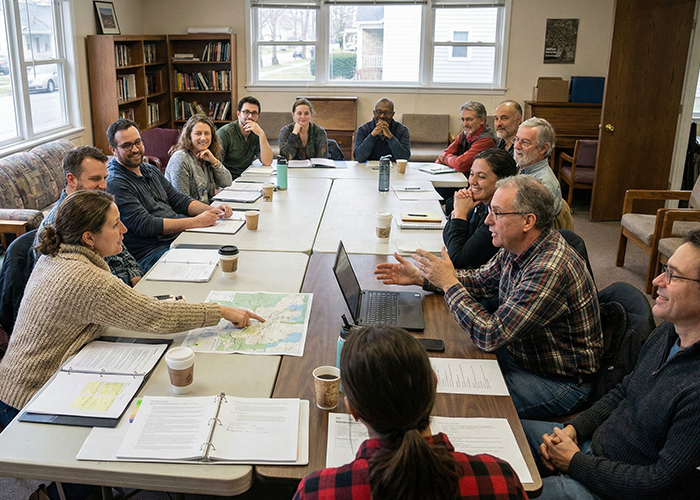
Owners typically receive an annual budget that outlines planned expenses for the upcoming year. Many HOAs also provide monthly financial statements comparing actual expenses to budget projections. These documents allow members to see trends and encourage accountability. Participating in meetings, reading community reports, and asking thoughtful questions often leads to greater understanding and cooperation.
A Source of Stability
HOA fees support both daily operations and long-term stability, and each portion of the assessment serves a specific purpose. When homeowners understand how these funds are divided, concerns about cost usually become easier to discuss. Clear communication, accessible documentation, and responsible budgeting help everyone enjoy the shared value of a well-maintained community.