A clear understanding of HOA vs. homeowner maintenance responsibilities often shapes how smoothly a community operates, especially when unexpected repairs or questions arise. Clarity also helps residents avoid unnecessary costs, misunderstandings, and delays.
What Are HOA vs. Homeowner Maintenance Responsibilities?
A community’s governing documents remain the only reliable source for determining who maintains what. The Covenants, Conditions, and Restrictions (CC&Rs), together with the Bylaws, outline the legal boundaries between common property and privately owned space. Familiarity with these documents allows homeowners and board members to handle issues more confidently.
Property type also plays a major role in determining responsibility. Single-family homes, townhomes, and condominiums each follow different maintenance structures. Most decisions revolve around whether an item serves the individual home or the community as a whole. Confusion often appears when a component — such as a fence, pipe, or utility line — sits on a boundary or serves multiple units. In those moments, returning to the documents remains the most reliable approach.
Maintenance Divisions by Housing Type
Maintenance duties always trace back to the legal structure of the property. Recognizing how responsibilities shift between detached homes, attached units, and condominiums helps prevent disputes and ensures the correct party handles a repair.
Single-Family Homes
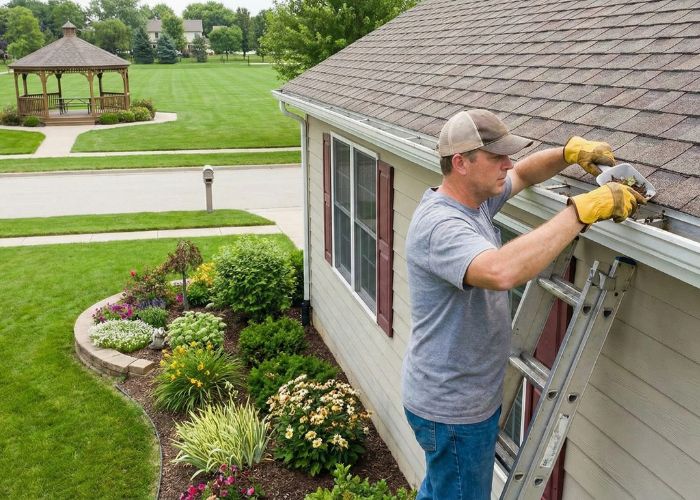
Maintenance responsibilities are typically the most straightforward for single-family homes. Homeowners usually handle all upkeep on their lot, including items such as the roof, exterior walls, landscaping, driveway, and fencing. The HOA’s role usually focuses on community standards and the maintenance of shared amenities or open spaces.
Some items, such as water lines between the meter and the home, catch homeowners off guard because they feel like shared components. These lines normally fall under the homeowner’s responsibility, making proper insurance essential. The association becomes involved only when repairs touch true common property, such as community roads or monuments.
Townhomes and Attached Housing
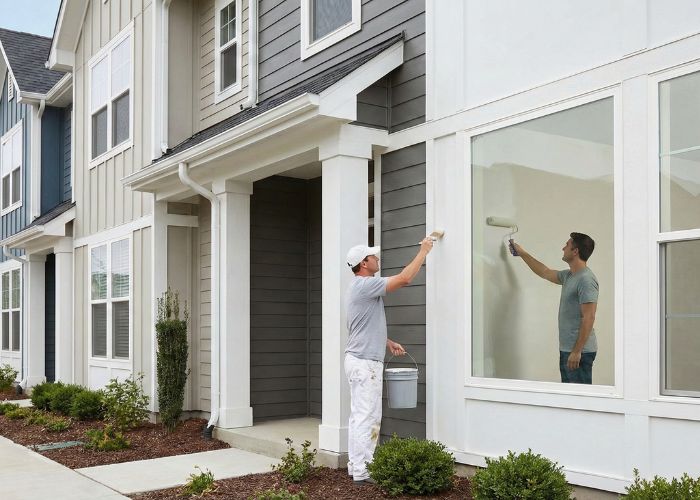
Attached housing introduces additional layers of responsibility because units share walls and, in many cases, roofs. Associations commonly maintain exterior components like siding, paint, roofing materials, and trim to keep the appearance uniform throughout the community.
Homeowners remain responsible for everything inside the unit boundary, including interior utilities, fixtures, and finishes. Some items vary by community, such as windows, doors, and entryways. Reviewing the exact language in the governing documents helps residents understand their specific obligations.
Condominiums
Condominium communities have the most clearly defined boundaries, often described as “paint-in” or “airspace.” The HOA typically maintains everything outside the unit’s interior walls, including structural systems, foundations, roofs, and shared utility chases. These elements fall under the community’s master insurance policy.
Homeowners handle all non-structural components inside the unit, such as flooring, appliances, cabinets, and interior finishes. When damage originates from a common pipe inside the wall, the association usually repairs the pipe while the homeowner addresses interior repairs to personal property and unit finishes.
Common Areas That Cause Confusion
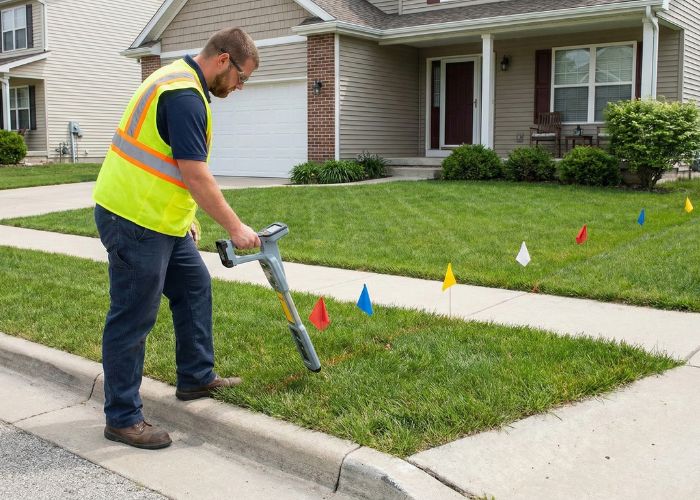
Several components consistently raise questions because they benefit both the individual homeowner and the community. Understanding their typical maintenance assignments keeps issues from escalating.
Perimeter Fencing and Walls
Fences or walls between two private lots are frequently shared by both homeowners. When a fence borders a common area or public roadway, the association usually takes responsibility to preserve uniformity and visual appeal along shared boundaries.
Drainage Systems
Drainage structures inside common areas—such as storm drains, catch basins, or main channels—are maintained by the HOA. Homeowners usually handle swales or drainage paths located entirely within their lot. Blocked private drainage features can affect neighboring properties and the community system as a whole.
Utility Lines
Responsibility for utilities typically follows the service point. Main lines under community streets generally fall under the association or the utility provider. Once the line branches to serve a specific home, the homeowner often takes over responsibility, even when sections of the line sit in the front yard. This is especially common for water and sewer service lines.
The Importance of Preventative Maintenance
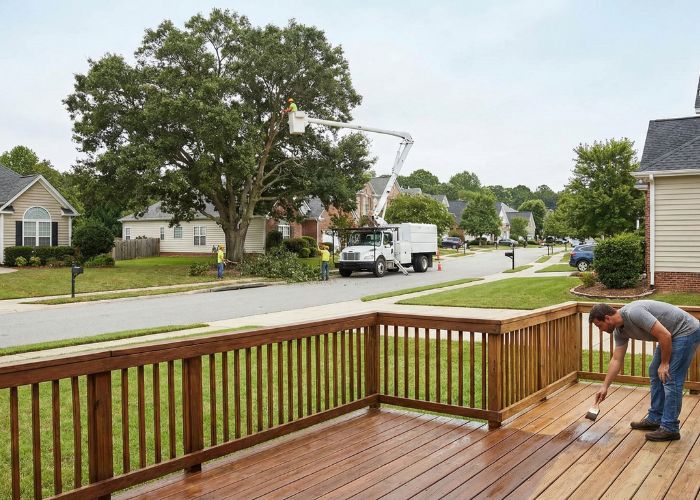
Preventative maintenance benefits the entire community, regardless of who holds the official responsibility. Associations support the neighborhood by inspecting roofs on multifamily buildings, maintaining drainage systems, and caring for shared landscaping. These efforts protect property values and reduce the chance of larger repairs.
Homeowners contribute by maintaining gutters, monitoring window and door seals, and managing landscaping around the home. Neglected maintenance can create extensive repair needs and may leave the homeowner responsible for secondary damage affecting common elements.
A strong partnership between residents and the management team keeps problems manageable. Prompt reporting of issues—such as fallen tree limbs, damaged lighting, or broken irrigation—helps the association address concerns before they escalate.
Having Clear Responsibilities
A clear understanding of HOA vs. homeowner maintenance responsibilities allows residents to navigate repairs with confidence and supports a well-run community. Regularly reviewing the governing documents and asking the management team for clarification when needed ensures that each party fulfills its role.
Looking for professional help in handling your HOA’s landscaping needs? Harbour Master Management offers professional HOA management services tailored to your needs. Call us at 401-414- 5130 or contact us online to get started!