A planned community usually comes with shared standards, common spaces, and rules that guide how the neighborhood operates. Understanding what is an HOA helps homeowners see why these associations matter and how they support the long-term stability of the community. While the structure may feel unfamiliar at first, the way an HOA functions brings clarity to everyday expectations and the overall health of the neighborhood.
Understanding What Is an HOA
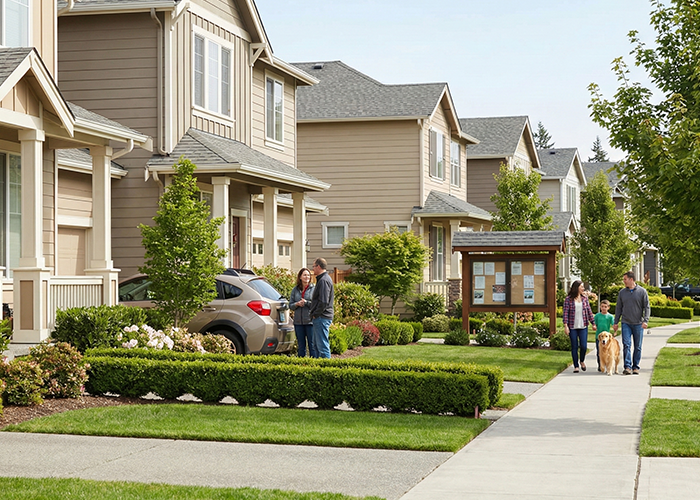
An HOA refers to a non-profit corporation formed to oversee the shared interests, assets, and responsibilities of a residential community. Once you purchase a home within its boundaries, you automatically become a member. This membership links you to the rules, financial obligations, and governance structure that shape community life.
The HOA serves as the community’s operating framework. It helps keep the neighborhood well maintained, financially sound, and visually consistent. This consistency protects property values and ensures that individual choices do not negatively affect nearby homes. Even small details, such as paint colors or landscaping standards, connect back to a broader effort to maintain an appealing environment.
Most associations rely on a hierarchy of legal documents. These include the Covenants, Conditions, and Restrictions and the Bylaws. Together, they outline how the community should function, which rights homeowners hold, and what limitations apply. These documents form the legal backbone of the association and influence nearly every decision that follows.
The Core Structure of HOA Governance

Community governance rests on three major components: the governing documents, the elected board, and the membership. Each one plays a distinct role, yet all three must work together for the HOA to operate effectively.
Governing Documents as the Legal Foundation
Governing documents guide how the community behaves and what standards it must follow. The CC&Rs contain long-term restrictions that apply to every property. They often address architectural guidelines, noise limits, and rules about business activity within the neighborhood. Because these restrictions attach to the land, changes usually require strong homeowner approval.
The Bylaws handle the internal mechanics of the association. They explain how board elections work, which officers are required, and how meetings should be conducted. Rules and Regulations act as day-to-day guidelines. While more adaptable than the CC&Rs, they still function as enforceable standards for areas like pool access, trash placement, or parking.
The Elected Board as the Community’s Leadership
The Board of Directors consists of volunteer homeowners chosen by fellow residents. These individuals take on the responsibility of making decisions that affect the entire community. Since they act as fiduciaries, their choices must serve the best interests of the HOA rather than personal preferences.
Board duties cover a wide range of tasks. They approve the annual budget, select vendors, interpret rules, and address compliance concerns. They also oversee major repairs, legal matters, and long-term planning. Although they hold significant authority, their actions must align with state laws and the governing documents.
The Membership as the Final Authority
The homeowners themselves serve as the association’s ultimate decision-making body. Members elect the board, vote on amendments, and voice concerns during meetings. While they may not handle daily business, their engagement shapes the HOA’s long-term direction.
Active participation strengthens the community’s stability. When homeowners understand their rights and responsibilities, they create an environment where communication feels smoother and governance becomes more transparent. An informed membership also encourages accountability at all levels.
Understanding Assessments and HOA Finances

HOA operations depend on assessments, which are mandatory fees paid by each homeowner. These funds support both immediate needs and future obligations. Strong financial planning helps avoid unexpected costs and makes sure common areas remain safe, functional, and attractive.
The Operating Budget for Day-to-Day Needs
Part of each assessment goes toward the Operating Budget. This budget covers regular services such as landscaping, janitorial work, pool care, and utility costs for common areas. Insurance premiums, management fees, and routine repairs also fall under this category.
The operating budget focuses on the essentials that keep the community running smoothly. Clean streets, well-kept landscaping, and functioning amenities all originate from these ongoing expenses. Without consistent funding, the neighborhood’s appearance and safety would decline.
The Reserve Fund for Long-Term Planning
Another portion of assessments supports the Reserve Fund. This fund exists to replace or repair major shared components as they age. Examples include the clubhouse roof, exterior paint, pool resurfacing, or roadwork. These items carry large price tags and follow predictable life cycles.
A professional Reserve Study helps the association determine how much it should save each year. This study reviews every major asset, estimates its remaining lifespan, and calculates appropriate contribution levels. Communities with healthy reserves protect themselves from sudden special assessments, which may otherwise place heavy financial strain on homeowners.
Maintenance, Enforcement, and Professional Management

Much of an HOA’s daily work falls into three core categories: maintaining shared property, enforcing the rules, and carrying out administrative duties.
Maintaining Common Areas
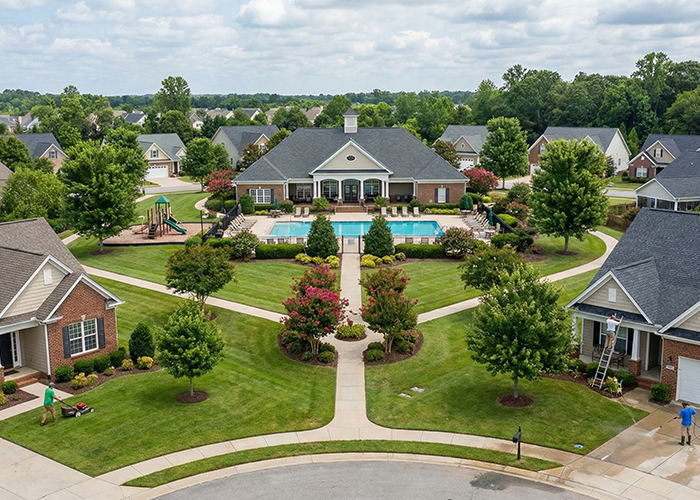
Common areas belong to all homeowners collectively, so regular care remains a high priority. These areas may include pools, clubhouses, tennis courts, playgrounds, greenbelts, and private streets. Landscaping, repairs, and upkeep often represent the largest portion of the annual budget.
In condominiums and some townhome developments, the association’s responsibilities expand to include the exterior structure of each building. This arrangement shifts costs from individual owners to the HOA as a whole. While this reduces personal maintenance, it also makes accurate budgeting and reserve planning even more important.
Rule Enforcement Within the Community
Rule enforcement supports the shared standards that define the neighborhood. The board must apply these rules consistently and fairly. Many associations follow a progressive system that begins with a courtesy notice and may later involve fines or hearings if the violation continues.
Homeowners have the right to due process. This usually means they can attend a hearing or present their perspective before the board decides on a penalty. This fairness helps maintain trust and avoids unnecessary conflict among neighbors.
Professional Management as Administrative Support
Larger communities usually hire a management company to assist with daily duties. Managers collect assessments, coordinate vendors, oversee maintenance requests, and prepare reports for the board. Their role involves administration rather than decision-making.
The manager does not vote on policies or change rules. Instead, the manager carries out the board’s directives and helps ensure the community runs efficiently. This partnership allows volunteer leaders to focus on governance and planning rather than paperwork.
What an HOA Does Not Do
Clarifying what the HOA does not handle helps reduce misunderstandings. The association does not function as a social club, although committees may organize events. Its primary purpose remains legal and financial governance. It also does not act as a police force. Issues involving crime or public safety must be directed to local authorities.
The HOA also does not serve as a landlord for individual homes. Homeowners remain responsible for their interior maintenance and, in most single-family communities, their exterior repairs and landscaping. Knowing these boundaries prevents unrealistic expectations and smoother communication between residents and the board.
A Shared Path to Strong Community Living
A clear understanding of what an HOA is creates a more informed homeowner experience. Participation, responsible ownership, and support for the community’s financial health help the neighborhood thrive. When residents stay engaged, property values remain stronger and the environment becomes more enjoyable for everyone. This shared commitment benefits both the homeowner and the community as a whole.