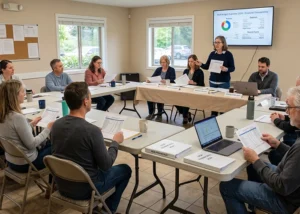
Strong communities rarely happen by accident. HOA volunteers often fill the small gaps that keep a neighborhood looking cared for and feeling connected.
What HOA Volunteers Mean for a Community
At a basic level, HOA volunteers are residents who give their time to support shared spaces, standards, and routines. The work is usually simple, but the impact adds up fast.
Most communities achieve the greatest results when volunteer efforts align with the maintenance plan. A clean entrance sign, a well-run planting day, or a smooth pool opening can help a board stay ahead of complaints and avoid last-minute scrambles.
Why People Step Up
A sense of pride pulls many residents in. Others volunteer because they want to meet neighbors, understand how decisions get made, or help keep dues from rising due to preventable issues.
Clear expectations matter here. When tasks feel manageable and well-organized, HOA volunteers tend to stick around, and new hands join more easily.
Some boards also notice a ripple effect. A visible volunteer culture can reduce the “us versus them” feeling that sometimes shows up between residents and leadership.
Setting the Line Between Help and Work
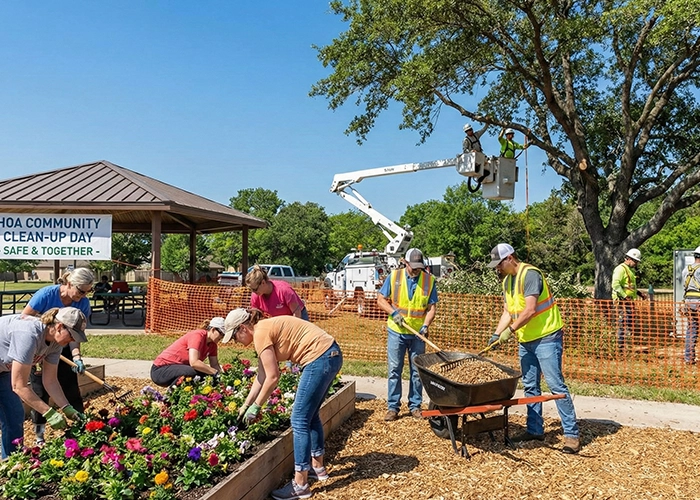
A helpful rule of thumb keeps things safe and fair. Volunteer projects should stay in the “light duty” lane, while skilled, high-risk, or regulated work should stay with trained professionals.
Many tasks look easy until something goes wrong. Ladder work, electrical fixes, pool chemicals, pressure washing, and tree trimming can turn into injuries or property damage in a heartbeat, so those jobs should be handled by licensed and insured vendors.
A written volunteer policy helps everyone. The best ones outline allowed tasks, safety basics, tool rules, supervision, and how scheduling works for HOA volunteers.
Low-Risk Projects That Make a Difference
Plenty of projects fit the volunteer lane and still move the needle. The best options are visible, simple, and easy to pause if the weather turns or attendance drops.
Common examples include:
- Entryway trash pick-up and litter walks
- Light weeding in common beds, without power tools
- Mulch spreading in small areas, with proper gloves
- Seasonal décor set-up and take-down in approved zones
- Welcome table staffing for community events
- Door-hanger delivery for notices and reminders
One phrase comes up often in board conversations: volunteers in HOA communities help most when they do the things that are hard to schedule through a vendor, but easy to standardize. A quick monthly “spruce-up” can also surface small maintenance issues before they become expensive repairs.
Planning Matters More Than Muscle

A volunteer day runs more smoothly when the goal is specific. A vague plan like “clean up the grounds” usually leads to scattered effort and mixed results.
A tight scope helps instead. One area, one task type, one set of tools, and one person in charge can make the work feel lighter and more successful.
Communication plays a big role, too. A short sign-up message with start time, end time, meeting spot, and what to bring reduces confusion and lowers no-shows.
Safety Comes First
Volunteer work still counts as work, so safety must be taken seriously. A quick safety talk at the start can cover the biggest risks, like heat, hydration, sun exposure, traffic, and lifting.
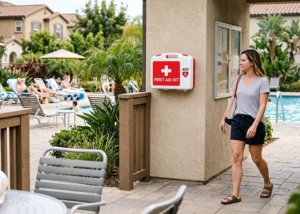
Basic protections should be expected, not optional. Closed-toe shoes, gloves, and eye protection for messy jobs can prevent common injuries, and a simple first-aid kit should be on-site.
Coverage should be discussed before the first project, not after an incident. Many communities review their general liability coverage, confirm volunteer-related protections, and use waivers when appropriate, especially when community volunteers will be working in shared areas.
Working With Your Maintenance Partner
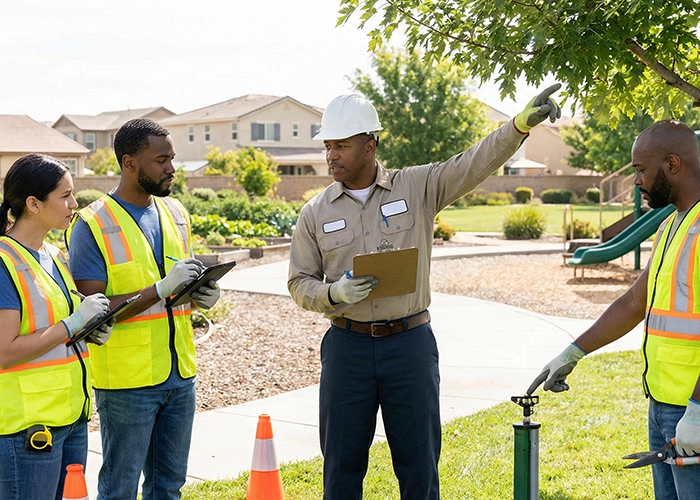
Volunteer efforts work best when they support, not replace, a real maintenance program. A maintenance specialist can help identify tasks that are safe for residents and point out areas where a pro crew is needed.
A simple process keeps coordination easy. A short walk-through before the event can set boundaries, and a quick check after can confirm the area is left clean and undamaged.
Good volunteer work can also feed your work-order system. When HOA volunteers report peeling paint, trip hazards, irrigation leaks, or broken fixtures during a project, those notes can be turned into planned repairs instead of surprise emergencies.
Making Volunteering Fair and Sustainable
A volunteer culture should feel open, not cliquish. Communities do better when roles rotate, sign-ups remain transparent, and the same few residents do not carry the entire workload.
Accessibility matters as well. Some residents cannot lift, bend, or work outside for long, yet they still want to help, so small administrative roles can be offered, such as taking photos, checking supplies, or helping with event setup.
Recognition does not have to be flashy. A thank-you note, a quick shoutout in the newsletter, or a small community perk can keep morale steady without turning volunteering into a popularity contest.
A Simple Volunteer Playbook
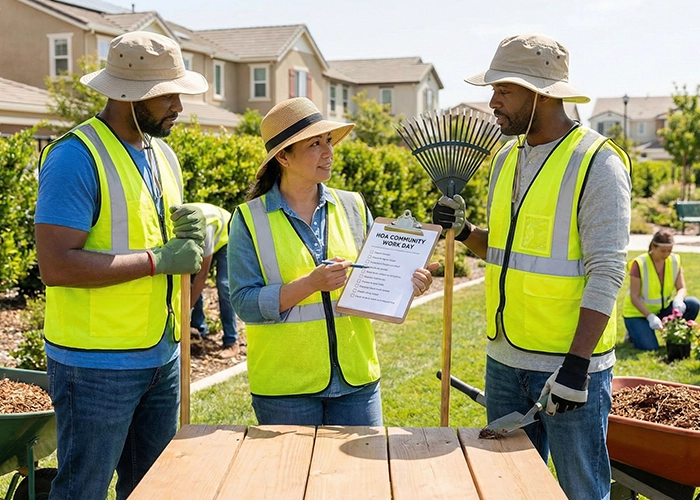
A short playbook makes volunteer projects repeatable. It also reduces stress on the board and helps new leaders get up to speed quickly.
A practical checklist can include:
- A clear task list with “allowed” and “not allowed” items
- A named project lead and a back-up contact
- A start and stop time, plus a rain plan
- A basic safety briefing and required gear
- A supply list and where items will be stored afterward
- A simple reporting method for issues spotted during the work
That structure keeps projects predictable. With the right guardrails, HOA volunteers can help the community feel cared for without creating risk or stepping into work that belongs with professionals.
Neighbors at Work
A well-run volunteer effort can improve curb appeal, reduce minor issues, and build better day-to-day relationships. The right mix of planning and boundaries lets volunteer energy support the community without compromising safety or quality.
Need help in handling HOA volunteers? Harbour Master Management offers professional HOA management services tailored to your needs. Call us at 401-414- 5130 or contact us online to get started!
Related Articles:
- Managing Organized Sports in HOAs: Building Fitness, Safety, and Community
- HOA Board VS HOA Management Duties: What Are The Differences?
- HOA Board Election Rules: Essential Guidelines to Follow