Living in a homeowners’ association brings shared expectations meant to protect property values and keep a neighborhood looking cohesive. These guidelines sometimes feel strict, yet they shape the character of a community and provide the structure that keeps properties well cared for. When residents understand the most common HOA violations, it becomes much easier to avoid unnecessary conflict and support a neighborhood that feels pleasant and well-maintained.
Understanding the Purpose Behind Common HOA Violations
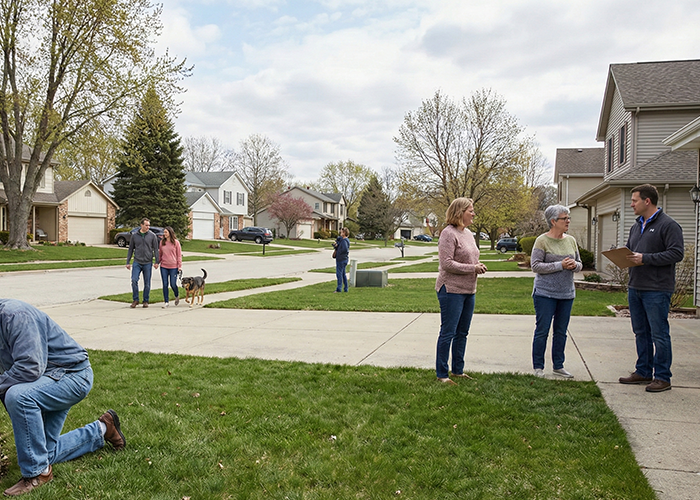
Community rules rarely exist without reason. Each standard connects to the association’s responsibility to protect and enhance shared assets. A single home with visible maintenance issues or unauthorized changes can affect perceptions of surrounding properties. Accordingly, officers should promptly address violations to keep the association’s covenants meaningful and effective.
The foundation of every rule is outlined in the governing documents, especially the Covenants, Conditions, and Restrictions. These documents require objective and consistent enforcement rather than selective or opinion-based decisions. Boards must follow these standards, even when conversations feel uncomfortable.
Many violations happen simply because residents may not fully understand the rules. Better guidance often prevents problems before they escalate. When homeowners understand the rationale for certain restrictions, cooperation usually comes naturally, reducing the need for penalties or hearings.
Architectural and Exterior Appearance Violations
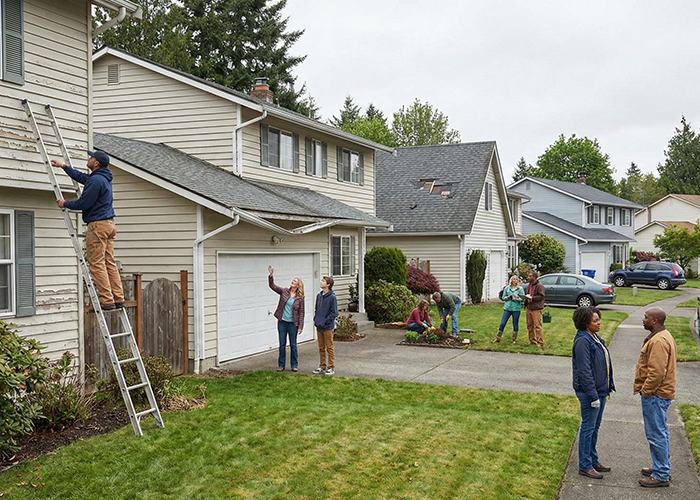
Appearance-related issues tend to be the most visible and often create the highest number of notices. These rules aim to preserve a cohesive and well-kept look throughout the neighborhood.
Unauthorized Exterior Changes
Projects that alter the outside of a home almost always require approval from the Architectural Review Committee. Homeowners sometimes proceed before receiving approval, which can lead to preventable issues. Changes such as repainting in a non-approved color, adding a fence, installing a deck, or removing major landscaping features usually fall under this category.
Even small updates may need review. A new mailbox design, an unfamiliar storm door style, or decorative elements not listed in the guidelines can trigger a violation. Submitting a simple application saves time, ensures compliance, and avoids the frustration of removing unapproved work.
General Maintenance and Visible Wear
Exterior maintenance plays a major role in how a community looks and feels. Peeling paint, mildew, cracked stucco, or sagging gutters can give the impression of a declining neighborhood. Because property values depend heavily on appearance, boards tend to monitor these conditions closely.
Roof stains, visible damage, and broken shingles also make up a significant portion of maintenance-related violations. While repair projects vary in size and cost, timely action prevents further deterioration and keeps each home meeting the community’s basic standards.
Landscape and Yard Maintenance Expectations
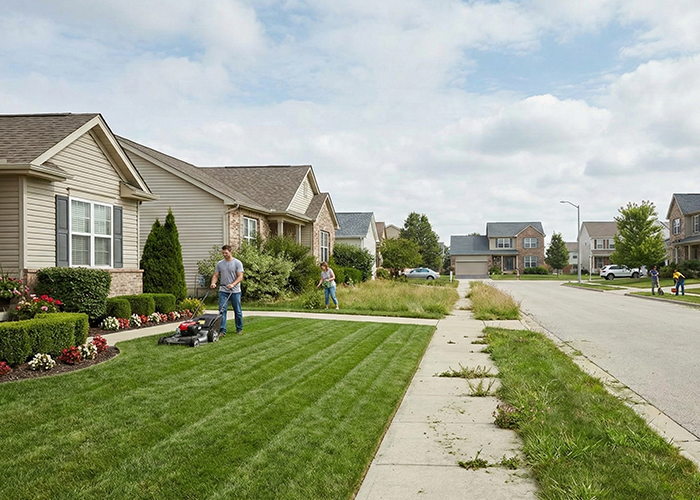
Well-maintained yards shape first impressions. Since curb appeal reflects both individual pride and community standards, landscaping concerns stand among the most common HOA violations.
Unkempt Lawns and Overgrowth
Grass that grows beyond the allowed height, weeds that spread into planting beds, or shrubs that spill over sidewalks often lead to the first notice. Overgrowth affects not only the appearance of a home but also the overall cohesion of the neighborhood. Regular mowing and trimming usually prevent these issues and help maintain a consistent community appearance.
Associations may also regulate the type and placement of vegetation. Trees planted too close to walls or fences, shrubs leaning into walkways, or plants that obstruct views can create safety issues. These concerns matter just as much as aesthetics, which is why residents are asked to monitor and maintain their landscaping.
Unauthorized Structures and Outdoor Storage
Some items cannot be placed outdoors without approval. Storage sheds, certain large play structures, or materials used for long-term projects may violate the governing documents. These restrictions maintain the neighborhood’s original design and help prevent clutter.
Trash containers, bags of yard debris, or unused equipment stored in the open can also lead to a notice. Many associations allow some flexibility on collection days, though long-term placement usually isn’t permitted. A tidy yard supports the community’s overall appearance and reduces potential complaints.
Vehicles and Parking Regulations
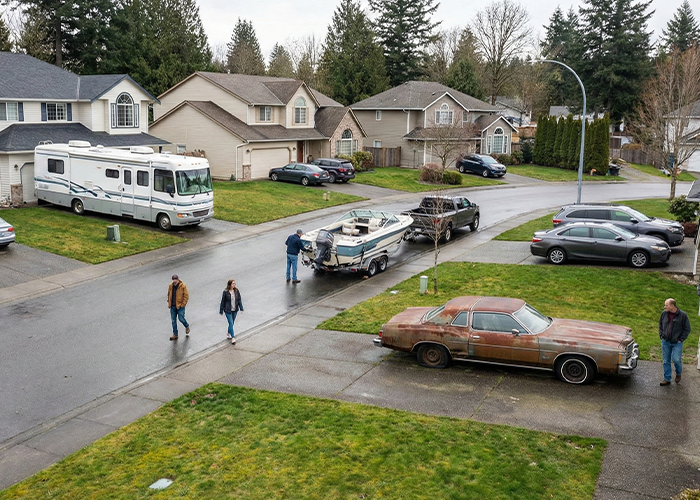
Parking concerns frequently appear on violation lists because they influence safety, visibility, and the fair use of common areas.
Parking and Storage Issues
Recreational vehicles, boats, or commercial trucks parked in driveways or along community streets often conflict with association rules. Many communities require these vehicles to be stored out of sight, either behind a fence or in a designated lot. Without these guidelines, the visual character of the neighborhood can change quickly.
Parking on lawns, sidewalks, or landscaped areas is also prohibited in most associations. Damage to grass, irrigation, or pavement often results from these situations. Visitor spaces and street parking also come with limitations, and residents must be familiar with those expectations to avoid repeated notices.
Vehicles in Poor Condition
Inoperable vehicles, flat tires, rusted exteriors, or cars under long-term repair often violate community standards. The presence of these vehicles can make a residential area feel neglected. Minor maintenance is usually fine, but larger repair projects are expected to take place off-site.
How the Enforcement Process Works
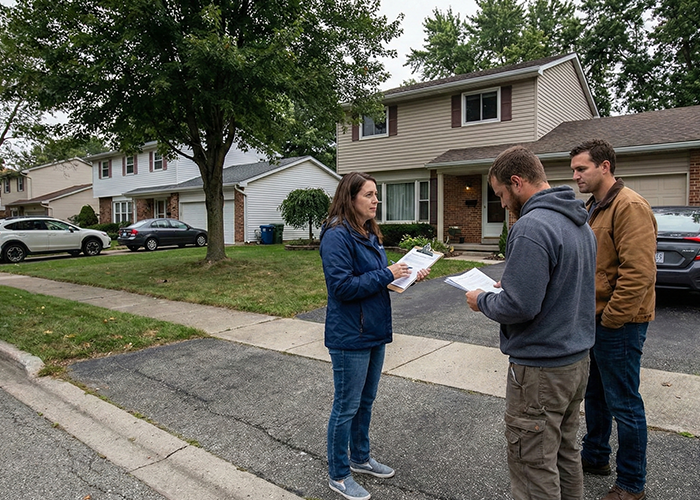
When an issue arises, associations follow a structured enforcement process to ensure fairness for every homeowner. This process varies slightly across communities, but the core steps remain similar.
Fair Notice and Due Process
A written notice usually serves as the first step. It identifies the rule in question and sets a deadline for correcting the issue. If the violation continues or fines may be imposed, the resident may request a hearing. This meeting allows the homeowner to share information, clarify misunderstandings, or request more time.
Once the board reviews the facts, it can decide whether fines or corrective measures are necessary. Some communities allow self-help, meaning the association may correct certain issues and bill the homeowner. Other communities rely on legal action when standard measures do not lead to compliance.
Responsibilities of Homeowners
Residents are expected to read and understand their governing documents, though many do not review them until a problem appears. When homeowners receive a notice, the best step is simply to reach out, ask questions, and begin correcting the issue. Quick communication often prevents escalation and reduces the chance of fines.
The Role of the Management Company
Management companies handle much of the administrative process. They perform routine inspections, prepare notices, maintain records, and support the board during hearings. Their involvement creates consistency and removes personal tension between neighbors. While they do not make the rules, they ensure the rules are applied fairly and correctly.
Building a More Cooperative Community
Awareness of common HOA violations helps residents stay informed and feel confident about meeting community standards. These rules aim to protect both appearance and value, which benefits every homeowner. When the board communicates clearly and residents stay proactive, the neighborhood as a whole becomes more cohesive and welcoming.