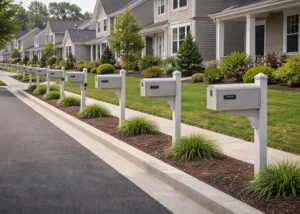
A new fence or fresh coat of paint can seem like a simple home project until questions about approval come up.
The Scope of HOA Architectural Review
HOA architectural review gives boards and homeowners a way to work through those questions before work begins. A clear process helps everyone plan with fewer surprises.
Architectural review is the process an association uses to check proposed home changes against its governing documents and design standards.
Review often focuses on changes that affect the outside of a home or lot. A fence, for example, may raise questions about height and property lines. A new patio may require a closer look at its location near shared space.
The scope varies from one community to another. Boards should know what their documents allow them to review before asking an owner to submit plans. Homeowners, in turn, should have an easy way to check whether their project needs approval.
Start With the Governing Documents
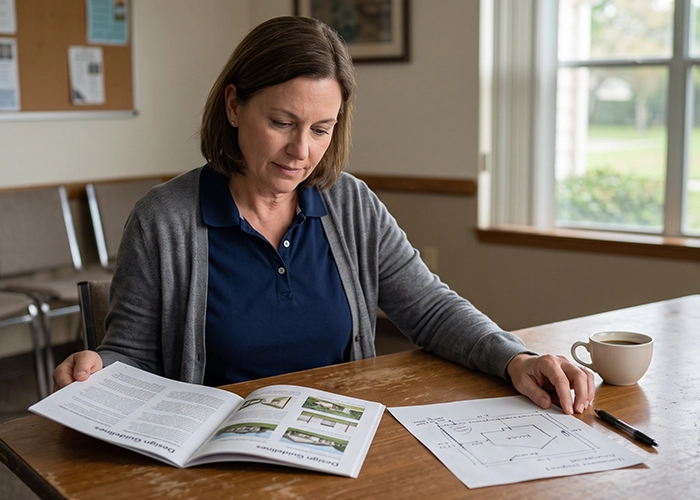
Before weighing in on a design, the board needs to confirm its authority. The declaration and other governing documents establish the association’s powers, while valid design guidelines help explain how those powers apply. A reviewer’s personal taste should not take the place of those standards.
State and federal laws also matter. Some laws limit an association’s control over certain improvements or require a particular review process. Boards should seek legal advice when a rule appears to conflict with an owner’s rights.
For a national audience, there is no single rulebook that fits every HOA. A deadline or restriction that applies in one state may not apply elsewhere. Each association should build its process around its own documents and the laws that govern it.
Know Who Makes the Decision
Many communities assign design requests to an architectural review committee, often called an ARC. Others use a different committee name or have the board handle reviews. The governing documents should guide that structure.
A committee may have the power to approve plans, or it may only make recommendations to the board. Management can help collect forms, track dates, and send notices within its assigned role. Homeowners should know which group makes the final decision.
A short description of these roles can prevent mixed messages. For example, a manager’s note confirming receipt should not sound like approval. Committee members should also avoid promising an outcome during casual talks with neighbors.
Explain Which Projects Need Approval
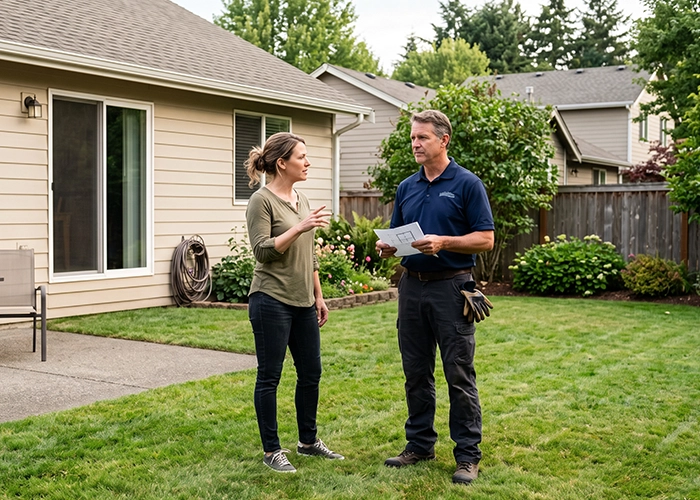
Owners should not have to guess whether replacing a door or planting a hedge requires a request. Publish a clear guide with examples drawn from the community’s actual rules. Make it available before the spring and summer rush for outdoor work.
Depending on the governing documents and applicable law, projects that may require review include:
- Changes to exterior paint, siding, windows, or doors.
- New fences, decks, patios, sheds, or additions.
- Major landscape changes, retaining walls, or tree removal.
- Changes to driveways, outdoor lighting, or roofing.
The guide should also explain any exemptions, such as certain repairs that use the same materials and colors. Avoid suggesting that every small task needs review. When the answer is unclear, give owners a contact who can check before they spend money.
Make Guidelines Easy to Use
A rule is more useful when a homeowner can picture what it means. If the community limits fence heights, state the allowed height and explain where it applies. If it uses an approved paint palette, provide current color names and product details.
Photos and simple drawings can help explain common requirements. A sketch showing the required distance from a property line may answer a question faster than a page of text. Make clear whether an image shows a binding standard or only an example.
Keep the current guidelines and request form together. Owners should not find one set of instructions in a welcome packet and another on the website. Date each version so residents and reviewers can tell which one is in use.
Ask for the Right Project Details

A useful application gives reviewers enough information to understand the proposed work. Too little detail leads to follow-up emails, while needless paperwork can slow a basic request. Match the information requested to the project and the association’s valid requirements.
For many exterior projects, a helpful checklist includes:
- The property address and owner’s contact information.
- A brief description of the proposed work.
- Photos of the existing area.
- Plans showing location and dimensions.
- Proposed materials, finishes, and colors.
- Other documents required under the applicable guidelines.
Explain what each item should show. A fence plan, for instance, should identify its proposed route rather than simply include a photo of the style. An example of a complete submission can help first-time applicants get it right.
Keep Requests Moving
Once an owner submits plans, silence can become a problem. A receipt notice should explain what happens next and where the owner can ask about progress. It should also distinguish between receiving a request and finding it complete.
A practical workflow can help staff and volunteers stay on track:
- Log the request and the date it arrived.
- Check it against the submission requirements.
- Identify missing information promptly.
- Route the plans to the authorized reviewers.
- Send and save the written decision.
Set reminders around the deadlines that actually apply. Do not assume that asking for more information pauses or restarts a review period. Owners should also avoid treating silence as approval without checking the governing documents, applicable law, and legal advice where needed.
Apply Standards With Care
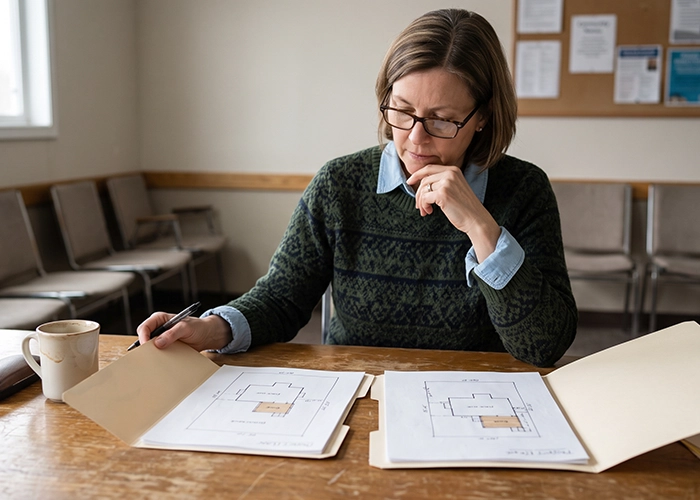
Similar projects should receive a consistent review, regardless of who submits them. A longtime resident should not receive special treatment because committee members know them well. New owners deserve the same attention and clear explanations.
Consistency still requires a close look at the facts. Two decks may use the same materials but sit on lots with different limits or shared boundaries. Reviewers should explain any meaningful difference instead of relying on a vague claim that one project does not fit.
Past decisions can provide context, but an old mistake should not automatically become the rule. If records reveal uneven treatment, the board should get advice on how to proceed. Quietly repeating the problem can make future disputes harder to resolve.
When You Say No, Say Why
A denial without an explanation feels like a wall. A denial with a clear reason feels like a conversation that can still go somewhere.
“The committee does not approve” tells a homeowner nothing useful. “The proposed fence height exceeds the 6-foot limit for rear property lines; a design at 6 feet or under would meet the current guidelines” tells them exactly what to fix. One of these responses ends the conversation with resentment. The other one often ends it with a revised plan and an approval a week later.
The same logic applies to approvals — spell out any conditions clearly enough that both the homeowner and their contractor can follow them without guessing.
Keep Permits and HOA Approval Separate

HOA approval and local permits serve different purposes. Approval from the association does not replace a permit required by the city or county. Likewise, a building permit does not by itself establish compliance with the community’s private restrictions.
Explain this distinction early so owners can plan both steps. Boards should avoid creating permit-related submission barriers without checking their authority. Some state laws limit whether an association can demand an issued permit before reviewing plans.
The approval letter should also avoid suggesting that volunteers have certified a project’s safety or structural design. Those questions belong with the appropriate building officials and qualified professionals. Homeowners should confirm all requirements before scheduling work.
Recognize Requests That Need Extra Care
Some projects involve more than appearance. A ramp or other disability-related change may raise fair housing obligations, including the duty to permit a reasonable modification. Such requests deserve careful handling rather than an automatic response based on a standard design rule.
Other improvements may receive protection under state or federal law. The details depend on the project and location, so boards should check current requirements when questions arise. A familiar restriction is not proof that the association can still enforce it.
Bring legal counsel into the discussion when needed. Share sensitive information only with those who need it for the review. Owners should not have to explain private health details in a public meeting to get a request considered.
Address Changes Before Work Goes Further
Even a well-planned project can change once a contractor starts work. A material may be unavailable, or the owner may want a larger patio. Explain in advance when a change requires revised plans and further approval.
If work differs from the approved request, confirm the facts before deciding how to respond. Compare the work with the saved plans and contact the owner about the specific issue. A misunderstanding may be easier to correct while the project is still underway.
When enforcement becomes necessary, follow the required notice and hearing process before imposing penalties. Do not jump straight to threats of removal. The appropriate response depends on the documents, applicable law, and facts of the case.
Save Records That Future Boards Can Use
Each project should have a file that connects the request to the final decision. Keep the submitted plans, revisions, correspondence, and any approval conditions together. Completion photos can help explain what the finished project looked like.
Records are especially useful when an owner sells or a new committee takes over. A dated approval can settle questions that memory alone cannot answer. It also helps reviewers understand why an earlier request received a particular outcome.
Use clear file names and store records in an association-controlled system. Follow applicable retention and access requirements, and protect private information. Important project history should remain available when a volunteer leaves the board.
Review the Process Before Problems Build
A board can learn a lot from the questions owners ask most often. If several residents miss the same form field, the instructions may need work. If requests stall at the same point, check who handles that step.
Ask reviewers whether the guidelines still reflect available materials and common home projects. Any updates should follow the proper approval and notice process. Share changes clearly so homeowners do not plan around outdated information.
A yearly review can help catch these issues before the next busy season. Focus on a few useful improvements, such as clearer examples or better status updates. Small changes can reduce repeated questions without adding more work for residents.
Always Plan With Confidence
HOA architectural review works best when owners understand the rules and boards explain their decisions.
Your community deserves a design review process that is clear, organized, and easy to navigate. Contact our team today to create a smoother, more transparent process for your community.
Related Articles:
- The Importance of Curb Appeal: Simple Landscaping Tips for Homeowners
- What Happens when Your Community Has No HOA Board
- Lawn Decoration Regulations: A Homeowner’s Guide to HOA Rules and Compliance