
EV charging stations for HOAs are quickly becoming a topic boards can’t ignore. As more residents switch to electric vehicles, communities are feeling the pressure to adapt. Planning ahead now can help your association stay competitive and avoid costly decisions later.
Why Demand Is Growing
Electric vehicles are no longer a niche choice. They are showing up in everyday communities, from townhomes to high-rise condos. Residents are starting to ask a simple question: where do I charge my car at home?
For HOAs, this shift creates both opportunity and responsibility. Boards are expected to balance resident needs with shared property limitations. That balance can be tricky, especially when infrastructure upgrades are involved.
The demand is also being driven by state and local policies. Many regions now encourage or even require EV readiness in new developments. Older communities are now catching up, often faster than expected.
How EV Charging Works in Community Settings
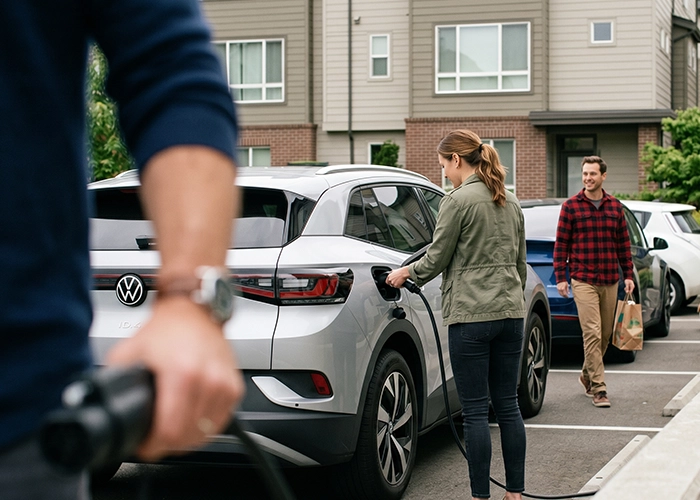
At a basic level, EV charging stations supply electricity to a vehicle through a dedicated unit. In HOA communities, these units can be installed in common areas, assigned parking spaces, or garages.
There are different charging levels, and each serves a different purpose:
- Level 1 Charging: Uses a standard outlet. It is slow but requires little to no infrastructure changes.
- Level 2 Charging: The most common option for HOAs. It provides faster charging and requires a 240-volt connection.
- DC Fast Charging: Rare in residential settings due to cost and power requirements.
Most HOAs focus on Level 2 chargers because they offer a good balance between speed and affordability. Residents can charge overnight, which fits typical usage patterns.
Placement is another key factor. Shared parking areas may require multiple stations, while assigned parking spaces allow for more controlled installations.
Understanding Installation Requirements and Limitations
Installing EV charging stations is not as simple as adding a few outlets. Electrical capacity must be reviewed first. Many older communities were not built with this type of demand in mind.
A professional assessment is usually required to determine:
- Available electrical capacity
- Distance from power sources
- Panel upgrade needs
- Load management options
If capacity is limited, load-sharing systems can be used. These systems distribute power across multiple chargers, preventing overload while still supporting several users.
Physical space also matters. Trenching, conduit placement, and accessibility must all be considered. Some installations may require permits and inspections, which can add time to the project.
Costs Associated With EV Charging Stations

Cost is often the first concern for HOA boards. The total investment depends on several factors, including the number of stations, electrical upgrades, and site conditions.
Typical cost components include:
- Equipment purchase
- Electrical upgrades
- Installation labor
- Permitting and inspection fees
- Ongoing maintenance
In many cases, the cost per station can range widely. A simple installation may cost a few thousand dollars, while complex projects can be significantly higher.
There are also funding options to explore:
- Government incentives or rebates
- Utility company programs
- Resident pay-per-use models
- Special assessments or reserve allocations
Planning the financial approach early helps avoid confusion later. It also allows boards to communicate clearly with residents about expectations.
Policy Considerations for HOA Boards
Adding EV charging stations is not just a technical project. It also requires clear policies that protect both the association and its residents.
Boards should address key questions such as:
- Who pays for installation and electricity usage?
- Are chargers assigned or shared?
- How is access managed?
- What happens when demand exceeds supply?
Rules should be documented and consistent. This reduces disputes and ensures fair access for all residents.
Some HOAs allow individual owners to install chargers in their assigned spaces. Others prefer a shared system managed by the association. Each approach has pros and cons, depending on the community layout.
Benefits of EV Charging Stations for Communities
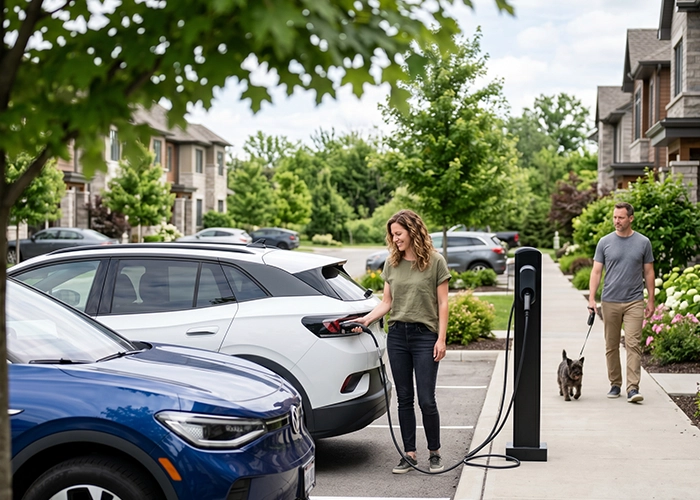
While the upfront cost can feel significant, the long-term benefits are often worth it. Communities that invest in EV infrastructure tend to see increased appeal among buyers and renters.
Key benefits include:
- Higher property values
- Increased marketability
- Future-ready infrastructure
- Improved resident satisfaction
Sustainability is another advantage. Many residents value environmentally responsible communities. Offering EV charging aligns with that mindset and can strengthen your association’s reputation.
There is also a practical side. As EV adoption grows, communities without charging options may struggle to attract new residents.
Common Challenges and How to Address Them
Every HOA faces challenges when introducing new infrastructure. EV charging is no exception, but most issues can be managed with proper planning.
Some common concerns include:
- Limited electrical capacity
- Uneven demand among residents
- Cost distribution disagreements
- Parking space limitations
Solutions often involve a phased approach. Starting with a small number of stations allows the board to test demand and adjust over time.
Communication also plays a major role. Residents should understand the reasoning behind decisions and how the system will work. Transparency helps build trust and reduces resistance.
Planning for Future Growth
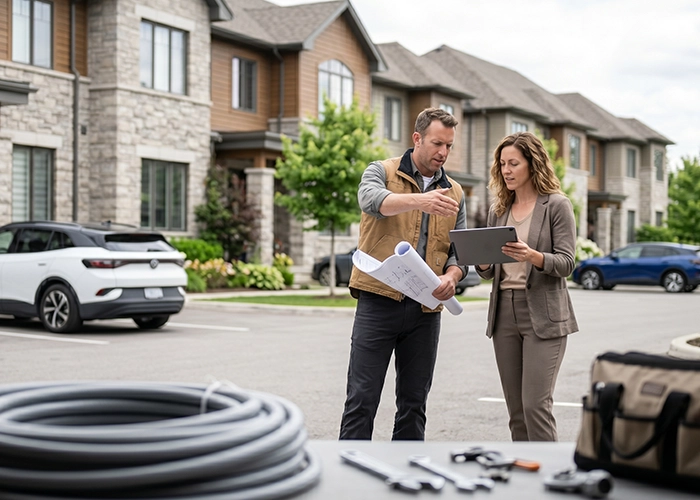
EV adoption is expected to continue rising. What feels like a small request today may become a standard expectation within a few years.
Planning for growth means thinking beyond current demand. Even if only a few residents need charging now, infrastructure should be designed with expansion in mind.
Future-ready planning may include:
- Installing conduit for additional stations
- Upgrading electrical panels to handle increased load
- Choosing scalable charging systems
This approach can save money in the long run. Retrofitting later is often more expensive than preparing upfront.
Working With Professionals for a Smooth Process
HOA boards are not expected to manage EV projects alone. Working with experienced professionals can simplify the process and reduce risk.
Helpful partners may include:
- Electrical engineers
- Licensed contractors
- EV charging vendors
- HOA management companies
These professionals can guide the board through each step, from planning to installation. They can also help ensure compliance with local codes and regulations.
Having the right team in place makes a noticeable difference. It allows the board to focus on decision-making rather than technical details.
What Residents Should Know About EV Charging
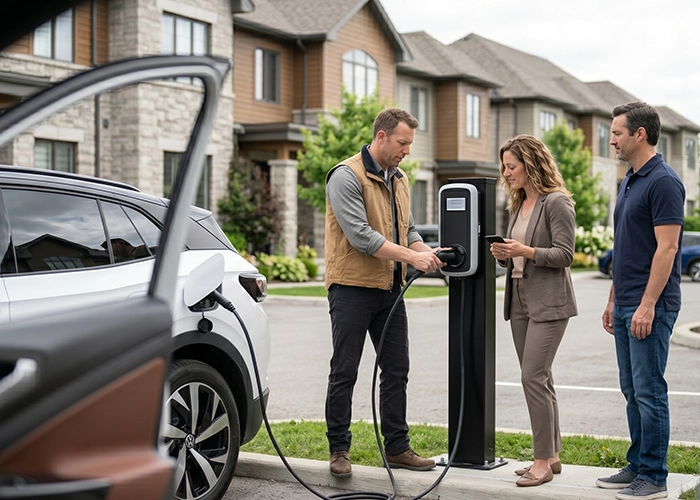
Residents play an important role in the success of any EV charging program. Clear expectations help avoid misunderstandings.
Residents should understand:
- Charging availability and scheduling
- Usage costs and billing methods
- Community rules and guidelines
Education can go a long way. When residents know how the system works, they are more likely to support it.
Some HOAs also provide updates as demand grows. This keeps everyone informed and helps the community adapt together.
A Smarter Way Forward for Modern Communities
EV charging stations for HOAs are no longer just a nice-to-have feature. They are becoming part of what defines a modern, forward-thinking community. Thinking about adding EV charging stations to your community? The right strategy makes all the difference.
A knowledgeable HOA management can help you. Contact Harbour Master Management Group to evaluate your options and create a plan that fits your community’s needs.
Related Articles: