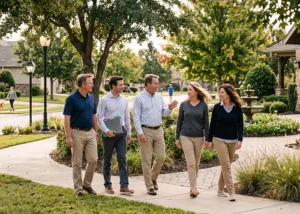
Good governance in a homeowners association depends on more than a board of directors working behind the scenes. HOA committees give residents the ability to take part in decisions that influence the community they live in. These groups also make it easier to manage ongoing responsibilities without becoming overwhelmed by day-to-day details.
Committees often work quietly, yet their contributions shape a large part of community operations. When residents understand what HOA committees do, it becomes much easier for them to participate and feel like they have a real voice in neighborhood matters.
What HOA Committees Do and Why They Matter
HOA committees refer to volunteer groups that handle specific responsibilities assigned by the board. They assist with research, review issues, and provide trusted recommendations. Their work offers a way to engage more people, especially in communities with many ongoing needs.
Most associations include committees because governing documents or recent board resolutions permit their existence. Even so, these groups do not make final decisions. The board remains the decision-maker for policies, disciplinary actions, and association finances. Committees instead support those choices by offering organized feedback drawn from resident experience.
Many homeowners feel more connected to their neighborhood when given a chance to share knowledge or help solve common issues. This sense of ownership often leads to more respectful participation during meetings and better compliance with rules. As a result, the board receives more cooperation and fewer conflicts.
Standing Committees for Long-Term Community Needs

Standing committees typically operate year-round because their responsibilities do not end. They are vital to consistent community oversight and long-term governance.
Architectural Review Committee
The Architectural Review Committee, often known as ARC, reviews exterior modifications such as roof replacements, landscaping changes, or new structures. It also makes sure projects follow guidelines established in the CC and R documents.
Most homeowners encounter this committee when they request approval for exterior projects. Their review protects neighborhood appearance and helps avoid disputes between neighbors. Property values can benefit as well, since exterior uniformity supports curb appeal for everyone.
Nominating and Election Committee
This committee organizes transparent elections by reviewing candidate eligibility and confirming that ballots are handled properly. It prepares election materials, follows voting rules found in the Bylaws, and ensures a smooth election process each year.
Professional elections help avoid concerns about favoritism or unclear results. Residents also feel more confident about leadership when elections are handled with consistent procedures based on governing documents and state requirements.
Finance Committee
Many boards request help from residents with finance experience. A Finance Committee typically reviews budget drafts, reserve planning needs, and monthly statements produced by the association manager. Members might also monitor insurance renewals, vendor contracts, and reserve funding strategies.
Their insight gives the board financial information that supports budget decisions and long term financial planning. Helpful financial guidance can prevent future surprises, especially for aging infrastructure and ongoing maintenance expenses.
Addressing Unique Issues With Ad Hoc or Advisory Committees
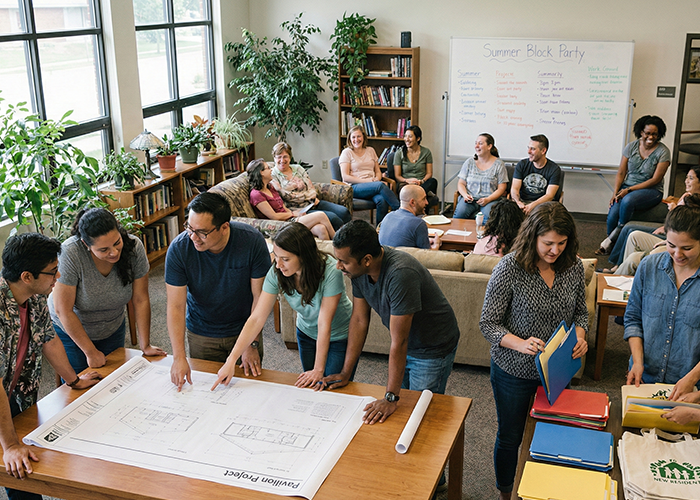
Ad hoc committees are temporary groups formed to solve a particular issue or accomplish a defined project. Once the assignment is completed, the board usually disbands the committee. Advisory groups may also be formed when the board seeks deeper research on a topic that affects a limited part of the community.
Social and Welcome Committees
Social Committees organize events that encourage neighbors to meet each other, including small gatherings, holiday parties, or summer activities. Many associations notice improved cooperation when neighbors get to know each other in relaxed settings.
Welcome Committees, on the other hand, greet new residents and provide helpful materials about the community. New homeowners often appreciate learning about amenities, architectural rules, or trash collection schedules during their move-in period. This early outreach reduces confusion and can improve early compliance with rules.
Reserve Study or Capital Projects Committee
Capital project planning sometimes requires technical knowledge. Large projects such as pavement replacements or pool renovations often need several vendor estimates, contractor evaluation, and project supervision. A committee dedicated to this task helps the board review technical proposals without rushing decisions.
Reserve Study committees may assist analysts by identifying all common assets, reviewing estimated life cycles, and confirming current replacement conditions. Once the report is finalized, the committee’s job is usually complete.
Enforcement Committees and Operational Oversight
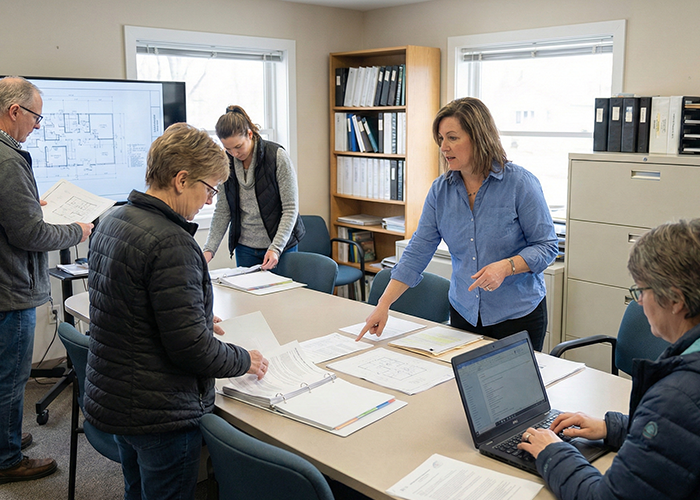
Some communities form committees for oversight of more sensitive tasks. These duties require strict policies and careful communication with the manager and residents.
Covenants Enforcement Committee
This committee may review alleged violations or complaints before they are escalated to the board. It might send courtesy warnings and collect evidence of violations. It also holds hearings in some communities.
Even so, the committee cannot typically impose fines without the board’s approval. Its main purpose is to support fair procedures, follow governing documents, and manage a high volume of compliance issues. Clear documentation is important at this stage because enforcement actions must be legally supported.
Safety and Security Committee
Communities that prioritize safety may form a committee dedicated to reviewing camera systems, visitor access policies, or emergency planning. Some groups also coordinate with neighborhood watch programs or local public safety departments.
Research collected by the committee assists the board in comparing options for safety improvements. Their recommendations often help residents feel informed rather than worried when new measures are being considered.
How Management Companies Support Committees
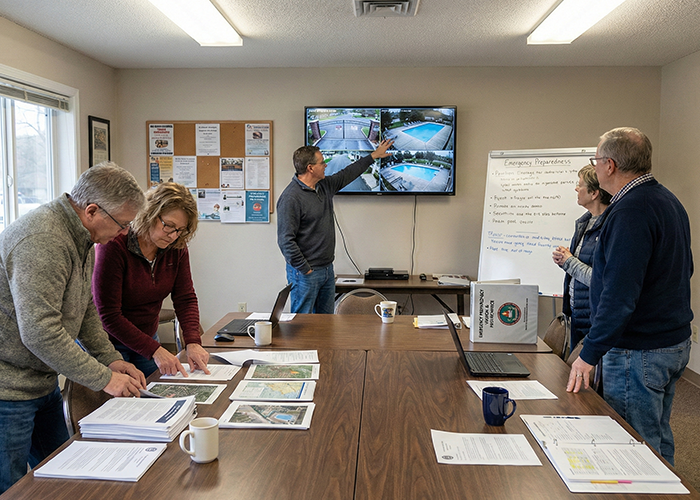
Professional managers guide committees by clarifying the limits of their authority. While committees provide valuable assistance, management teams protect the association by ensuring volunteers comply with legal requirements.
The management company offers administrative support by preparing meeting notices, sharing documents, and organizing reports for the board agenda. It also helps maintain accurate records, especially for architectural and enforcement matters. Proper documentation provides a clear record of committee actions should questions arise in the future.
Committee members often rely on managers for background information about bylaws, state requirements, and financial policies. With proper guidance, committees can focus on practical tasks without risking unauthorized decisions.
Encouraging Participation in HOA Committees

Communities benefit whenever residents decide to help. Participation can also build friendships and reduce tension during board meetings. Every committee member brings unique skills, whether personal experience in construction, finance, event planning, or simply a desire to help protect property values.
Some residents prefer smaller tasks instead of long-term commitment. Committees make it possible for more neighbors to contribute in ways that fit their schedules and comfort levels. A supportive committee environment also encourages younger residents or newer homeowners to assist without feeling intimidated.
Although boards remain responsible for decisions, committees enable residents to shape neighborhood priorities and raise concerns the board might not otherwise notice. Volunteers often feel good knowing they are making a positive impact and improving the place they call home.
Community Effort
Committees allow homeowners’ associations to operate more efficiently, especially in larger communities with many ongoing needs. Through shared involvement, community life becomes more organized and more welcoming.