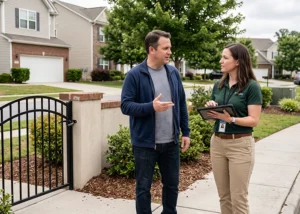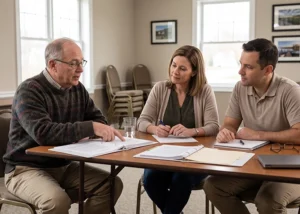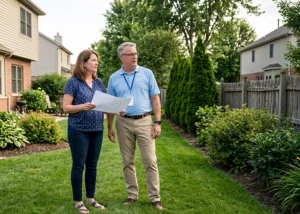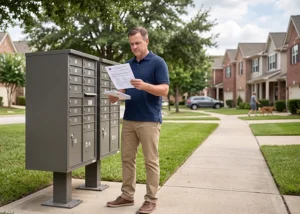
Making the right decision requires more than comparing price tags. HOA boards must consider long-term costs, safety, reserve funding, asset life expectancy, and the overall value to the community. Understanding how to evaluate repair and replacement options can help boards make informed choices that support both current and future homeowners.
Understanding Repair vs Replacement in HOA Maintenance
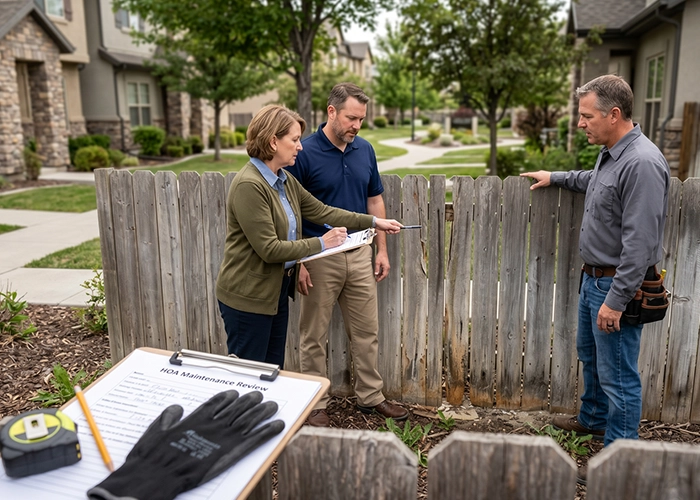
The repair vs replacement discussion often starts when a community asset begins to show signs of wear. A repair restores functionality and addresses a specific problem, while a replacement involves installing an entirely new component or system.
At first glance, repairing may appear to be the more affordable option. In many cases, it is. A minor roof leak, damaged fence panel, or malfunctioning pool pump can often be repaired quickly and cost-effectively.
However, there comes a point when repairs stop providing value. When maintenance issues become frequent, costs continue to rise, or performance declines, replacement may become the more responsible financial decision.
The goal is not simply to spend less today. The goal is to make the choice that delivers the best value over the asset’s remaining life.
Why This Decision Matters for HOA Boards
HOA boards have a fiduciary duty to manage association funds responsibly. Every maintenance decision affects the community’s budget, reserve fund, and overall property values.
Choosing repairs when replacement is needed can create a cycle of recurring expenses. Residents may become frustrated if the same problems continue to reappear. Emergency repairs can also place unexpected pressure on the operating budget.
On the other hand, replacing an asset too early may result in unnecessary spending. Boards must balance immediate financial concerns with long-term planning objectives.
Well-informed decisions help communities avoid waste, maintain assets properly, and preserve resident trust.
Key Factors to Consider Before Making a Decision

Every situation is unique, but several important factors should guide the decision-making process.
Age of the Asset
One of the first questions to ask is how old the asset is compared to its expected lifespan.
For example:
- Asphalt pavement typically lasts 15 to 25 years.
- Roof systems may last 20 to 30 years depending on materials.
- Pool pumps often have a lifespan of 8 to 12 years.
- HVAC systems generally last 15 to 20 years.
If an asset is nearing the end of its useful life, replacement may provide better long-term value than ongoing repairs.
Conversely, if the asset is relatively new, repairs may be the more practical solution.
Frequency of Repairs
A single repair is rarely cause for concern. Repeated repairs tell a different story.
When the same issue continues to occur, boards should evaluate the cumulative cost of maintenance over time. Multiple service calls, replacement parts, and labor expenses can quickly exceed the cost of installing new equipment.
A helpful approach is to review maintenance records. Patterns often emerge that reveal whether an asset is becoming unreliable.
Safety and Liability Risks
Safety should always remain a top priority.
A deteriorating staircase, damaged playground equipment, unstable retaining wall, or failing electrical system can create liability concerns for the association. In these situations, delaying replacement may expose the community to unnecessary risk.
When safety is involved, the least expensive option is not always the best option.
Professional inspections can help determine whether repairs are sufficient or if replacement is necessary to maintain compliance and reduce liability exposure.
Operational Performance
Assets that no longer perform efficiently can affect resident experience and increase operating costs.
An aging irrigation system may waste water. An outdated HVAC system may consume excessive energy. Pool equipment may require constant adjustments to maintain proper operation.
Boards should consider whether a replacement could improve performance, reduce utility expenses, and decrease future maintenance needs.
Looking Beyond the Initial Cost
One of the most common mistakes boards make is focusing only on immediate expenses.
A repair may cost $2,000 today while replacement may cost $15,000. At first glance, repair seems like the obvious choice.
However, if additional repairs totaling $10,000 are likely over the next few years, replacement may actually be more cost-effective.
Evaluating the total cost of ownership provides a clearer picture. This includes:
- Future repair expenses
- Maintenance costs
- Energy consumption
- Downtime or service disruptions
- Expected lifespan after repair
A long-term perspective often leads to better financial outcomes.
How Reserve Studies Support Better Decisions

Reserve studies play an important role in repair and replacement planning.
A reserve study evaluates major community assets and estimates their remaining useful life. It also projects future replacement costs and helps associations plan funding accordingly.
When boards rely on current reserve study information, they gain valuable insight into whether an asset is approaching replacement age.
Reserve studies can also help answer important questions:
- Is replacement already anticipated in the reserve plan?
- Are sufficient funds available?
- Would repairing the asset delay replacement significantly?
- How will the decision affect future reserve contributions?
Using reserve study data helps remove guesswork from the decision-making process.
Situations Where Repair Often Makes Sense
Repairing an asset is often the best choice when certain conditions exist.
The Damage Is Isolated
A single damaged fence section or a localized roof issue can often be repaired without affecting the entire system.
Targeted repairs help extend the life of the asset while minimizing costs.
The Asset Has Significant Remaining Life
If an asset is still relatively young and functioning well overall, repairs can preserve its value and maximize the original investment.
Boards should avoid replacing assets prematurely when effective repairs are available.
Repair Costs Are Reasonable
Many industry professionals use a simple guideline. If repair costs represent only a small percentage of replacement costs and the repair significantly extends asset life, repair is often justified.
The key is ensuring the repair provides meaningful value rather than serving as a temporary fix.
Situations Where Replacement Is Usually the Better Option
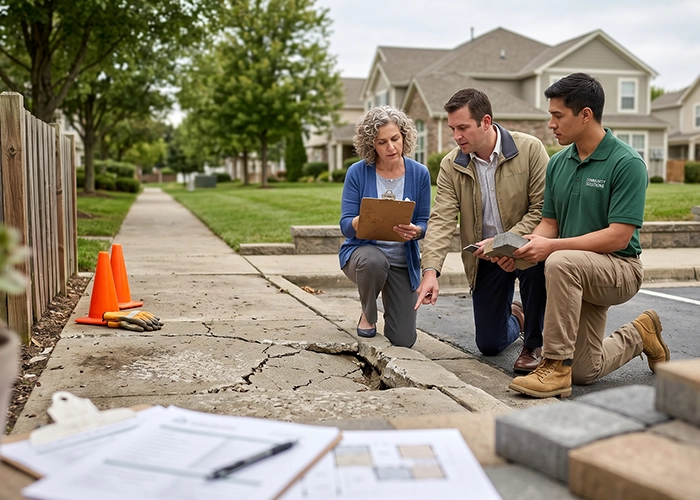
There are also circumstances where replacement becomes the more practical choice.
Repairs Have Become Frequent
Repeated failures often indicate that the asset is reaching the end of its service life.
When maintenance costs continue to increase, replacement may reduce expenses and improve reliability.
Parts Are Difficult to Obtain
Older equipment sometimes requires obsolete components that are difficult or expensive to source.
Replacement can eliminate these challenges and simplify future maintenance.
Efficiency Has Declined
Newer systems often offer significant improvements in efficiency, technology, and performance.
Reduced utility costs and lower maintenance requirements can offset a portion of the replacement expense over time.
Community Appearance Is Suffering
Curb appeal matters in every HOA.
Aging fencing, worn clubhouse furnishings, deteriorating signage, or cracked pavement can negatively affect the appearance of the community. Strategic replacements can improve aesthetics and help protect property values.
The Importance of Professional Evaluations
HOA boards should avoid making major repair or replacement decisions based solely on assumptions.
Professional evaluations provide objective information about asset condition, remaining life expectancy, and recommended actions.
Qualified contractors, engineers, reserve specialists, and maintenance professionals can help boards understand:
- The extent of the damage.
- Expected repair longevity.
- Remaining useful life.
- Replacement timelines.
- Estimated costs.
Obtaining multiple opinions may also help boards make more informed decisions, particularly for large capital projects.
Communicating Decisions With Homeowners

Repair and replacement projects often generate questions from residents.
Transparent communication helps reduce misunderstandings and build support for board decisions.
When discussing projects, boards should explain:
- Why the issue requires attention.
- Options that were considered.
- Cost comparisons.
- Professional recommendations.
- Long-term benefits for the community.
Homeowners are more likely to support expenditures when they understand the reasoning behind them.
Providing updates throughout the process also helps maintain trust and confidence.
Creating a Long-Term Asset Management Strategy
The most successful HOA communities do not treat repair vs replacement decisions as isolated events.
Instead, they develop proactive asset management strategies that include routine inspections, preventive maintenance, reserve funding, and long-term planning.
A structured approach allows boards to anticipate future needs rather than reacting to emergencies. It also helps spread costs over time and reduces the likelihood of special assessments.
When maintenance planning becomes part of the community’s overall strategy, boards can make decisions with greater confidence and consistency.
Making Smart Choices for Community Success
Repair and replacement decisions become much easier when your board has experienced guidance and professional support. HOA boards can make choices that benefit both current residents and future homeowners.
With the right management partner, your board can approach repair and replacement decisions with clarity, confidence, and long-term financial stability.
Call us at 401-414-5130 or contact us online today to learn how we can help your community manage assets wisely and plan confidently for the future.
Related Articles: