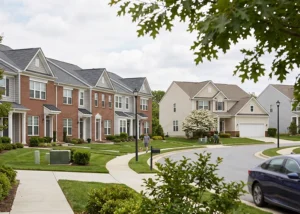
Managing a community often feels like steering a ship through unpredictable waters. When it comes to large-scale repairs or improvements, the strength of your Construction Contracts determines how smoothly your project will sail. These documents serve as the foundation for every nail driven and every dollar spent.
Understanding the Basics of Construction Contracts

A solid contract is much more than just a price tag and a timeline. It is a legal shield that protects your homeowners and their shared assets from unexpected liabilities. For most HOAs, the agreement should clearly outline the scope of work so there is no confusion later. You want to ensure that every specific task is detailed to prevent the “I thought that was included” conversation.
Board members often feel overwhelmed by the technical language found in these agreements. It is helpful to remember that the contract is essentially a roadmap for the relationship between the association and the vendor. Clarity in the initial stages will prevent many headaches during the actual construction phase. A well-drafted document ensures that expectations remain aligned from the first day to the final inspection.
Passive sentences are used occasionally by legal experts to define responsibilities. For instance, insurance requirements are often stipulated to ensure the association is not held liable for onsite accidents. While you don’t need to be a lawyer to read these, having a professional eye look them over is always a smart move.
Essential Components of Every Agreement
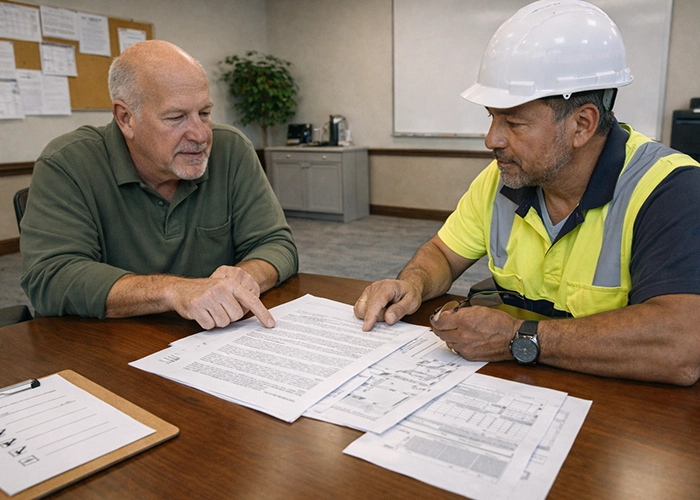
Payment schedules should be tied to specific milestones rather than just calendar dates. This keeps the contractor motivated to stay on track and provides the board with tangible proof of progress. You should avoid paying too much upfront to keep the association’s financial risk as low as possible. A common practice is to hold back a small percentage of the final payment until all punch-list items are finished.
Termination clauses are another vital piece of the puzzle that boards sometimes overlook. You need a clear path to end the relationship if the contractor fails to meet the standards set in the scope of work. Without this, the association could be trapped in a bad situation with a project that is going nowhere. Make sure the “notice to cure” period is reasonable but firm.
Warranties must be explicitly stated to protect the community’s long-term investment. A one-year warranty on labor is standard, but some materials might come with much longer protection from the manufacturer. Ensure that all warranty documents are handed over to the management team once the project wraps up. This organization makes it much easier to file a claim if something fails three years down the road.
Managing Change Orders and Hidden Costs

Even the most prepared HOA will likely encounter a few surprises once a wall is opened up. Change orders are the formal way to handle these deviations from the original plan. They should always be in writing and signed by an authorized board member or the property manager. Verbal agreements on a construction site are a recipe for budget disasters.
The board should establish a contingency fund within the budget specifically for these types of adjustments. Having a ten percent buffer allows for quick decisions without needing to pause the entire project for a special assessment. It is important to track these changes closely to ensure the total cost does not spiral out of control. Effective communication with the contractor during this phase is absolutely essential.
Delays can happen due to weather or supply chain issues that are outside of anyone’s control. However, the contract should define what constitutes an “excusable delay” versus poor planning by the vendor. This distinction helps the board hold the contractor accountable for the timeline. Keeping the residents informed about these shifts in the schedule will help maintain community morale during the mess.
Protecting the Association From Liability
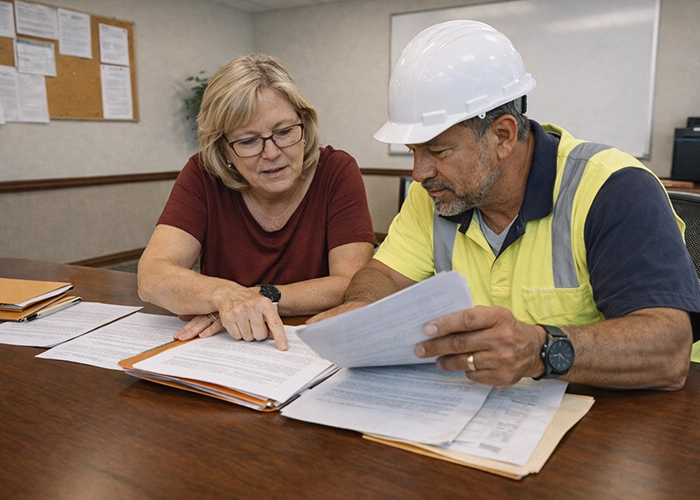
Insurance is perhaps the most critical part of the entire contracting process. The contractor must provide proof of general liability and workers’ compensation insurance before a single worker steps on the property. These certificates should name the HOA and the management company as “additionally insured” parties. This step ensures that the association’s own policy isn’t the first line of defense in an accident.
Indemnification clauses are also standard in professional agreements to further limit the board’s exposure. Essentially, these clauses state that the contractor will pay for legal costs if their work causes a third-party claim. While it sounds like a lot of legal jargon, it is a fundamental protection for your neighbors’ dues. Your management team can help verify that these protections are in place.
Lien waivers are the final piece of the protection puzzle that every board should understand. You want to receive a signed waiver from the contractor and their subcontractors every time a payment is made. This prevents a supplier from placing a lien on your common areas if the general contractor fails to pay them. It is a simple administrative step that prevents massive legal complications later.
Final Inspections and Project Closeout
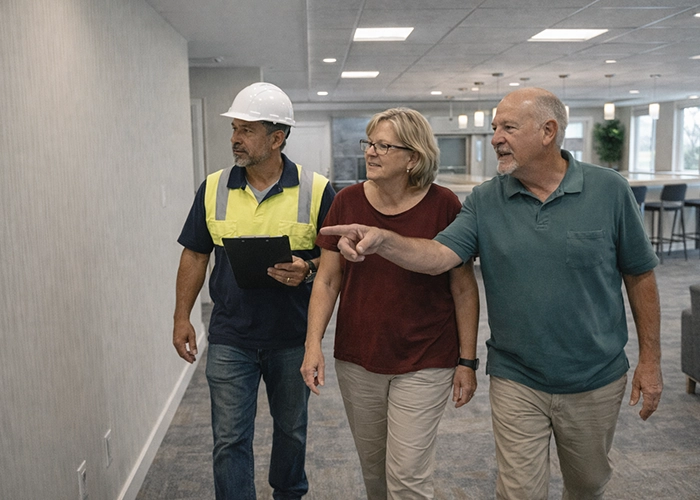
The end of a project is just as important as the beginning. A formal walkthrough should be conducted with the contractor, the property manager, and perhaps a building committee member. This is the time to identify any small defects or unfinished details known as the punch list. Only when these items are addressed should the final retainage be released.
Documentation is the key to a successful closeout for the association’s records. The board should receive copies of all permits, inspection reports, and “as-built” drawings if the project involved structural changes. These files are invaluable for future boards who may need to perform maintenance on the same area. Keeping a clean digital archive ensures this knowledge is never lost during board transitions.
Once the project is done, take a moment to communicate the success to the residents. They have likely lived through noise and dust, so seeing the finished product and knowing it was handled professionally goes a long way. Celebrating these wins builds trust between the board and the community members. A job well done today sets the stage for a better community tomorrow.
Protecting Your HOA Through Clear Construction Contracts
Navigating major repairs requires a steady hand and a clear set of Construction Contracts. By focusing on detailed scopes, proper insurance, and clear payment terms, your board can protect the association’s interests. We are here to help you manage these projects with confidence and transparency.
Are you planning a major renovation for your community? Contact Harbour Master Property Management today to see how our expert team can streamline your next construction project and protect your HOA.