Communities with large footprints or complex amenities often need a more hands-on leadership style to stay organized and responsive. An HOA on-site manager brings that steady presence by working directly from within the neighborhood. This approach creates faster communication, clearer oversight, and a more supportive experience for residents.
The Role of the HOA On-site Manager

The HOA on-site manager plays a uniquely local role by working from a dedicated office inside the community instead of a headquarters miles away. That proximity gives the manager direct insight into daily activity, resident needs, and ongoing maintenance concerns that often require immediate attention. As a result, the board gains a reliable partner who understands the rhythm of the community.
A portfolio manager can deliver strong support, but their time is shared among several associations. The on-site manager focuses solely on one property, which creates a deeper understanding of the neighborhood’s layout, governing documents, and resident expectations. That familiarity often leads to quicker responses and more informed decisions.
Even with this close connection, the manager still works under the direction of the professional management company and the volunteer board. Their role centers on carrying out policies, supervising daily operations, and serving as the community’s consistent point of contact. Many associations rely on this presence to keep operations moving smoothly from one day to the next.
Core Functions of an HOA On-site Manager

The manager handles a wide range of tasks that blend customer service, operations, and administrative support. Because they work inside the community, many issues can be addressed immediately rather than waiting for an off-site response.
Daily Oversight and Vendor Coordination
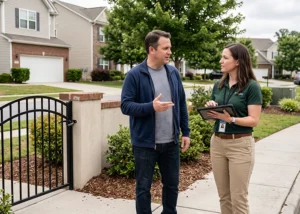
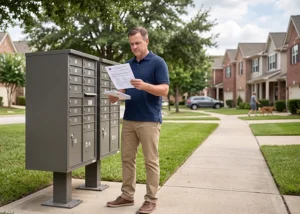
Daily inspections allow the manager to catch small issues before they grow. A burnt lightbulb, leaning sign, or damaged sprinkler head can be addressed quickly because the manager can walk the property and verify concerns in real time. Small improvements add up, and the community benefits from a more polished and well-maintained environment.
Vendor oversight becomes more effective when the manager can greet crews, confirm schedules, and observe work as it happens. Landscapers, pool technicians, and security teams often perform better when someone can monitor their progress. This consistency helps the board enforce contract requirements and maintain quality standards.
Work Order Processing and Resident Support
Work orders often move faster with an on-site office. A resident can report a concern, and the manager can immediately check the location, document the issue, and assign the appropriate vendor. This quick turnaround reassures residents that their needs are being taken seriously.
The physical office also gives homeowners a predictable place to ask questions or submit forms. Some residents prefer face-to-face interactions, and the on-site manager bridges that gap. These daily conversations help build trust and reduce confusion about policies, procedures, and expectations.
Administrative and Financial Responsibilities
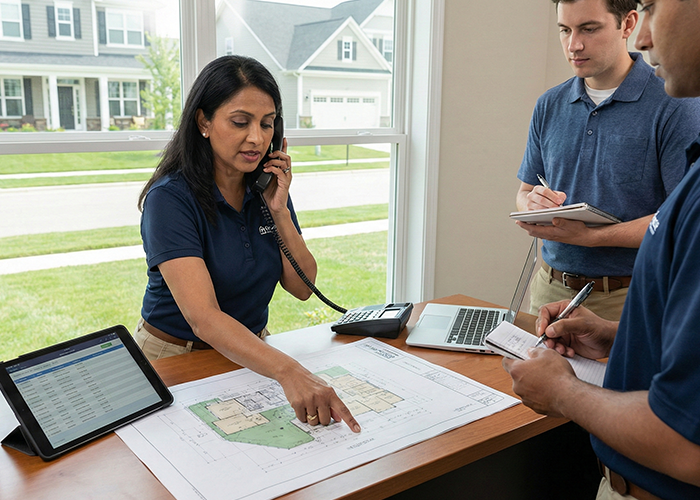
Although the manager is often seen around the property, much of their work happens behind the scenes. Community administration requires careful recordkeeping, financial coordination, and ongoing communication with the management company.
Budget Assistance and Financial Coordination
Budget preparation becomes more accurate when someone who knows the property’s needs contributes real data. The manager can provide details such as utility patterns, vendor pricing, and maintenance needs that help the board forecast costs. This information strengthens long-term planning and keeps the association prepared for upcoming expenses.
Assessment collection support is another key responsibility. The manager often helps homeowners understand balances, fee schedules, and payment processes. They can also prepare documentation for delinquency procedures if the board requires it. Having someone on-site adds clarity and encourages prompt communication.
Records Management and Architectural Oversight
Organized and accessible records help keep the association compliant. The manager oversees documents such as governing policies, homeowner files, and architectural applications. Even when stored digitally, these materials must be tracked carefully, and the on-site manager plays a central role in maintaining accuracy.
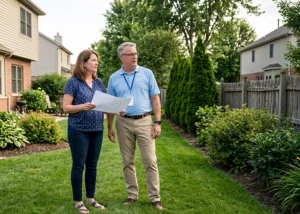
Architectural requests benefit from the manager’s presence. They can receive applications, monitor progress, and confirm that approved changes match submitted plans. These site visits support the Architectural Review Committee and help preserve community standards.
Governance Support and Policy Enforcement
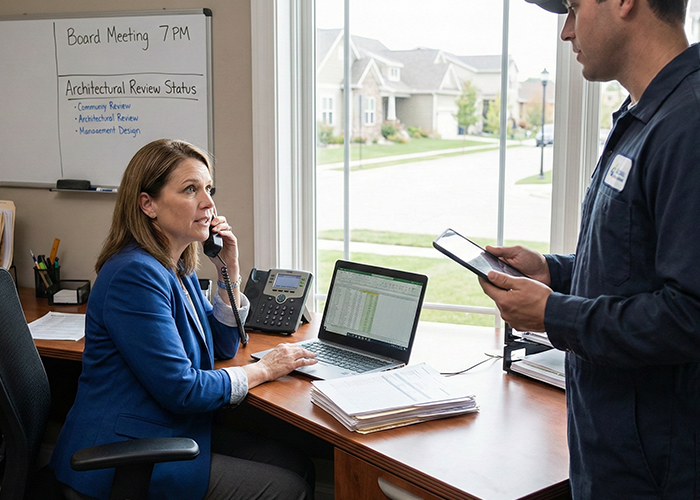
Serving as the direct connection between the board and the community gives the on-site manager an important position in governance. Their support helps the board operate smoothly and remain focused on policy rather than day-to-day tasks.
Board Meeting Support
Preparing board meeting packets, coordinating schedules, reserving meeting rooms, and gathering reports are common responsibilities for the on-site manager. These tasks take time, and having someone dedicated to them helps the board concentrate on decision-making.
The manager often attends meetings as a factual resource. They can update the board on maintenance timelines, vendor performance, or resident concerns. This real-time information strengthens discussions and keeps the board fully informed during policy decisions.
Consistent and Objective Enforcement
Rule enforcement can be sensitive, especially when board members live next door to the people involved. The on-site manager provides an impartial voice. They document violations, issue notices as required by the governing documents, and monitor corrections.
This documentation is essential when enforcement escalates. Clear notes, dated photos, and consistent follow-through help protect the association and support fair treatment of all residents. The manager’s neutrality also helps lower tension, since policy enforcement never becomes personal.
When an HOA On-site Manager Brings the Most Value

Not every association needs a full-time manager on the property. Smaller neighborhoods may run efficiently with a portfolio manager. However, certain types of communities often see significant improvements when an on-site manager is added.
Large communities with hundreds of homes benefit from continuous oversight because more residents usually mean more requests and more activity. Amenities with frequent use, such as clubhouses, pools, trails, or fitness centers, require extra attention that an on-site manager can provide.
Properties undergoing major upgrades or dealing with aging infrastructure also gain value from immediate monitoring. An older roof, lake system, or irrigation network may need regular checks, and the manager can identify issues before they grow into costly repairs.
Neighborhoods with steady vendor traffic or frequent move-ins and move-outs often find that on-site leadership keeps operations more organized. The cost of adding this position is usually offset by improved maintenance, better communication, and fewer service delays.
Why the On-site Manager Enhances Community Operations
The HOA on-site manager brings more than operational support. Their presence creates stability, strengthens communication, and ensures that policies are carried out consistently. Many communities rely on this role to maintain order, protect property values, and support a smoother living experience.
A visible and accessible manager often becomes the community’s anchor. Residents know where to go for answers, and the board gains a dependable partner who understands both the property and its people. This combination often results in a stronger sense of trust throughout the neighborhood.
A Steady Presence for Community Success
An HOA on-site manager can transform the way a large or complex community operates. Their close connection to daily activity, paired with professional management experience, helps maintain a well-organized and responsive environment. When associations invest in this role, they often see clearer communication, stronger oversight, and better long-term outcomes.