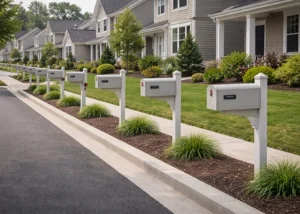
A clean neighborhood tends to feel more welcoming, and proper waste habits play a big role in that. HOA trash disposal and recycling rules guide residents toward responsible habits that protect curb appeal and community health. These rules also help everyone stay aligned with local waste regulations while making day-to-day routines simpler.
Why HOA Trash Disposal and Recycling Rules Matter
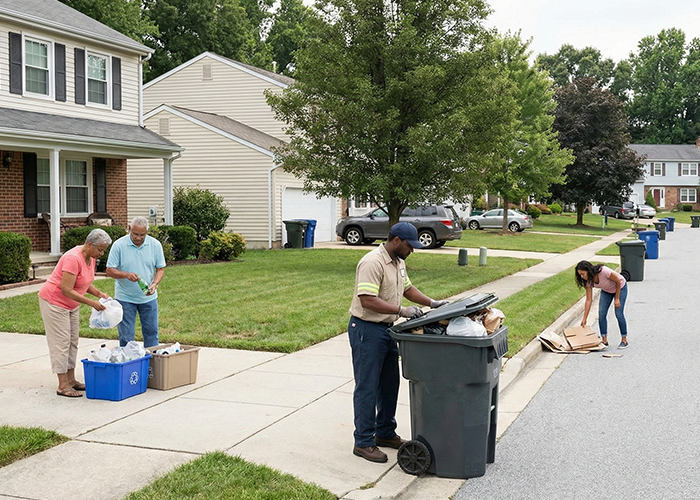
Strong trash disposal and recycling rules offer far more value than many homeowners realize. A single overflowing bin or scattered debris can affect multiple properties, which is why these guidelines are in place across nearly all associations. When you ignore trash, pests show up, odors spread quickly, and the neighborhood’s overall appearance declines.
Many associations coordinate directly with a waste management provider, so consistent rules help ensure the community remains in compliance with hauling contracts and local standards. This prevents service disruptions and avoids fines the HOA may incur. Clear rules also promote good recycling habits that reduce waste volume and contribute to local sustainability goals.
Although every community is different, the purpose rarely changes. Good rules protect property values, improve safety, and create a cleaner environment for everyone.
Placement and Timing for HOA Trash Disposal and Recycling Rules
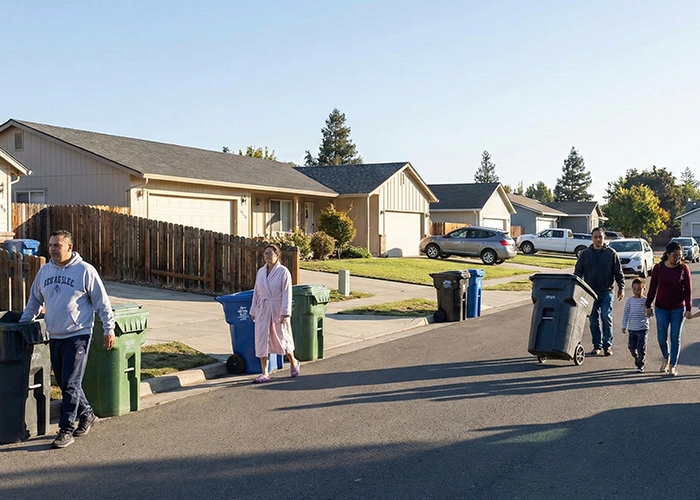
The first place where many HOAs see problems involves the placement and timing of bins. Small actions have a large effect on the neighborhood’s overall appearance, which is why most associations keep these rules very specific.
Storage on Non-Collection Days
Most HOAs require bins and recycling carts to be stored out of public view when pick-up is not scheduled. Storage areas often include the garage, a fenced side yard, or a screened area approved by the association. Keeping containers out of sight maintains tidy streets and prevents attention from being drawn to waste rather than the homes themselves.
This pattern might seem like a minor detail, yet it shapes the look and feel of the entire community. A row of exposed bins can disrupt the overall aesthetic, especially in neighborhoods designed with uniform curb appeal in mind. Keeping bins tucked away continues to be one of the easiest rules for residents to follow.
Timing for Curbside Placement
Most HOAs allow bins at the curb only within a limited window. Homeowners typically place bins out the evening before collection and retrieve them by the evening of the pick-up day. Rules like these shorten the amount of time bins sit on the street, which helps maintain a cleaner, more orderly appearance.
When bins remain out for days, neighbors notice. The home may look neglected, and the community ends up losing visual uniformity. By following the timing rules, residents help preserve the clean streetscape everyone benefits from.
Container Usage and Waste Separation
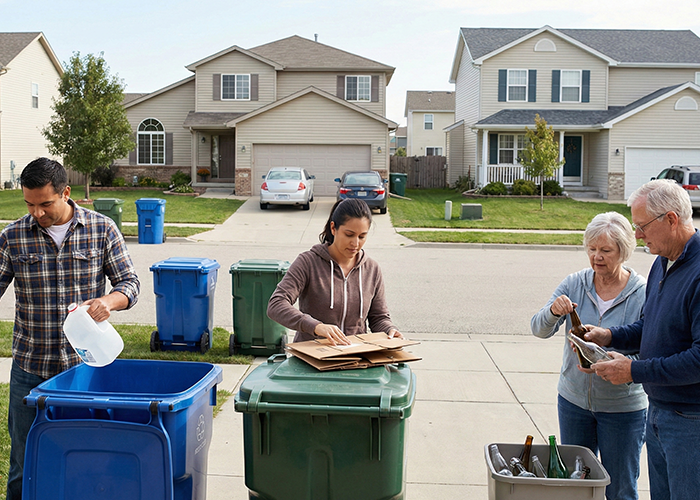
Container rules reinforce a predictable system for the waste hauler and residents. These guidelines reduce missed pick-ups and help prevent confusion about what belongs where.
Using Approved Containers
HOAs generally require residents to use only the containers supplied by their designated hauler. These containers work with automated truck systems, and anything outside these requirements is often left behind. Plastic bags sitting on the curb or oversized containers not approved by the hauler usually lead to missed service.
Closed lids are another standard requirement. An overflowing bin invites pests, encourages litter, and creates extra cleanup for the homeowner and the community. Secure lids ensure waste stays contained, even on windy days.
Separation Rules for Recycling
Recycling rules tend to be strict, mainly because contamination affects the entire community’s recycling compliance. Acceptable materials must be placed only in the designated recycling bin, and items usually need light preparation, such as rinsing food containers or flattening cardboard.
When non-recyclable materials enter the bin, the entire load may be rejected. This can lead to extra costs or additional communication from the management company, especially if contamination occurs frequently. Clear separation helps keep the community aligned with local recycling programs and improves overall sustainability efforts.
Handling Bulk Waste and Hazardous Materials
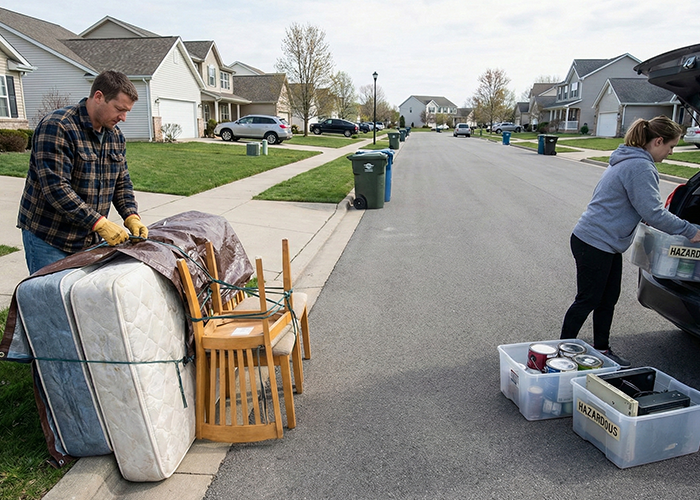
Larger items and hazardous materials often cause the biggest challenges for HOAs. These items demand special handling because standard weekly pickup cannot accommodate them.
Bulk Item Disposal
Old mattresses, furniture, and appliances usually need a special pick-up arranged directly with the hauler. HOAs often outline whether homeowners need to schedule this themselves or follow a community-wide bulk trash day if one is offered.
Problems arise when residents leave large items on the curb without arranging pickup. Not only does this create an eyesore, but it may also result in code violations. In many cases, the HOA will need to coordinate removal and bill the homeowner, which adds unnecessary cost and friction.
Policies for Hazardous Waste
Hazardous materials pose greater risks and are never allowed in standard bins. Items such as chemicals, paint, batteries, oil, and certain electronics must be taken to approved county or municipal drop-off locations.
HOAs reinforce these guidelines heavily because improper disposal can lead to environmental harm and legal issues. Clear instructions help residents avoid dangerous mistakes and keep the community safe.
Enforcement and Resident Communication
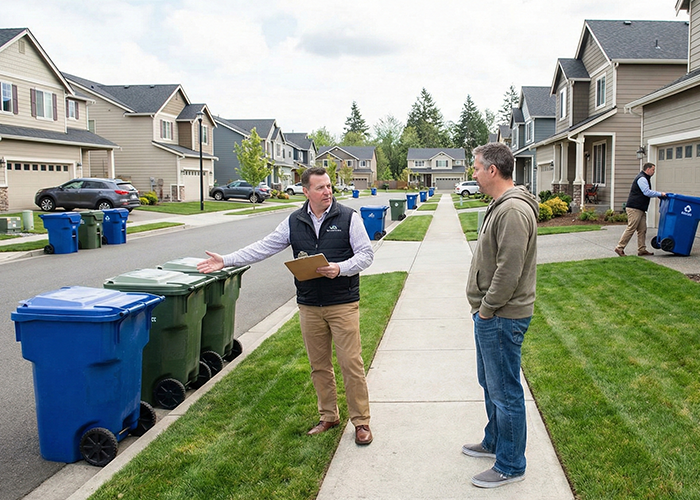
HOA trash and recycling rules may seem simple, yet enforcement is essential to keeping standards intact. A consistent process ensures fairness and reduces misunderstandings among residents.
Consistent Enforcement
Management teams typically monitor the community on collection days and document any violations, such as bins left out too long or repeatedly overflowing containers. Written notices follow, referencing the specific rule in the governing documents.
If issues continue, penalties may escalate. Some HOAs choose to remove items or store bins themselves, then pass the cost on to the homeowner responsible. A predictable system helps maintain trust and keeps the process fair for everyone.
Proactive Communication
HOAs that communicate regularly tend to see fewer violations. Clear guides that outline the collection schedule, recycling rules, and bulk disposal procedures help residents avoid confusion. These guides are often shared during move-in or with annual reminders.
Reminders before holidays, when collection schedules shift, are especially valuable. When residents feel informed, they are more likely to follow the rules without prompting.
Support for a Cleaner Community
Good trash disposal and recycling habits play a meaningful role in keeping a neighborhood clean and attractive. Residents who follow HOA trash disposal and recycling rules contribute to a stronger sense of order and community pride. Proper placement, consistent use of approved containers, and careful waste separation help protect both the environment and the neighborhood’s overall appearance.
Small daily actions can make a lasting difference. With clear rules and open communication, communities stay cleaner, healthier, and more enjoyable for everyone.