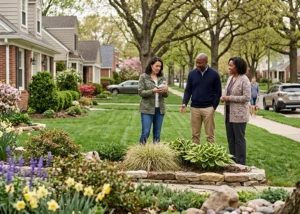
Managing a community requires a steady hand and a clear vision for the future. By following these proven HOA management tips, board members can ensure their neighborhood remains a desirable place to call home.
Strategic Planning for Community Growth
The foundation of a great neighborhood starts with a solid roadmap for the coming years. When leaders set clear goals, they provide the community with a sense of purpose and direction. A well-defined plan helps everyone understand where the association is headed and how it intends to get there.
Budgets are often seen as a constraint, but they are actually a tool for freedom. A balanced financial strategy allows for the regular maintenance that keeps a property looking its best. It also ensures that funds are available when unexpected repairs arise, preventing the need for sudden special assessments.
Fostering Transparent Communication
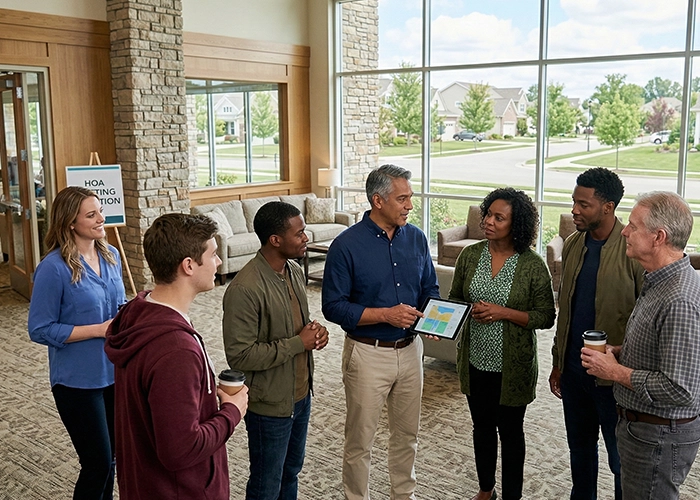
Open dialogue is the heartbeat of a thriving homeowners association. Residents are much more likely to support board decisions when they feel informed about the “why” behind the “what.” Regular newsletters or digital updates can bridge the gap between leadership and the rest of the community.
- Create a monthly digital digest for residents.
- Host town hall meetings for major projects.
- Keep the community website updated with current documents.
- Encourage feedback through brief annual surveys.
Technology can be a great ally in this effort. Using a dedicated app or portal allows for real-time updates on maintenance requests or local events. This level of accessibility builds trust and shows that the board is proactive rather than reactive.
Consistency in Rule Enforcement
Rules are designed to protect the collective investment of every homeowner in the neighborhood. For these guidelines to be effective, they must be applied fairly to every single person without exception. Favoritism or inconsistent enforcement is often the quickest way to create friction among neighbors.
Education should always come before enforcement whenever possible. Many residents may not even realize they are in violation of a specific covenant. Sending a friendly reminder or a “did you know” notice can often resolve issues before they escalate into formal warnings or fines.
Maintenance and the Luck of the Irish
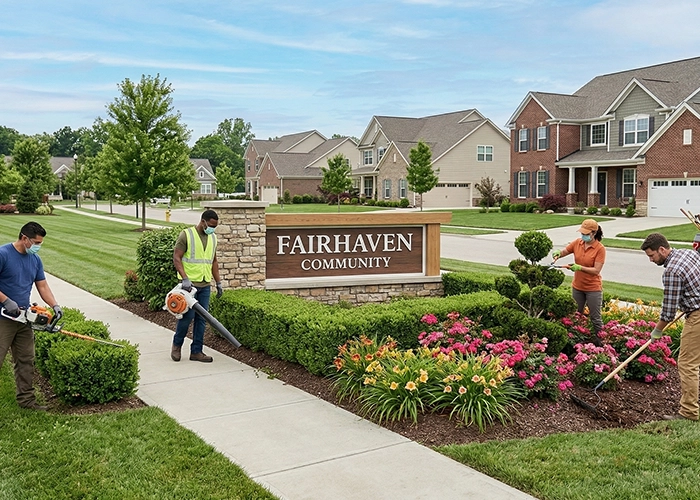
As we welcome the month of March, it is the perfect time to bring some Irish luck to your landscaping. St. Patrick’s Day reminds us to appreciate the greenery that makes our communities beautiful and vibrant. This season serves as a wonderful prompt to schedule your spring cleanup and ensure the common areas are “shamrock green” for the warmer months ahead.
Consider adding some festive touches to the clubhouse or main entrance to celebrate the holiday spirit. A small St. Patrick’s Day gathering can be a lucky way for neighbors to meet and mingle. These social interactions are the “pot of gold” that turns a group of houses into a real community.
Financial Health and Reserve Studies
A healthy bank account is just as important as a healthy landscape. Conducting a professional reserve study every few years is one of the most vital HOA management tips for long-term stability. This study provides an expert look at the lifespan of major assets like roofs, roads, and pools.
Knowing exactly when these items will need replacement allows the board to save incrementally. This prevents the financial shock of a massive repair bill that the association cannot afford. It also protects property values by ensuring the community never looks or feels neglected.
Vendor Relationships and Accountability
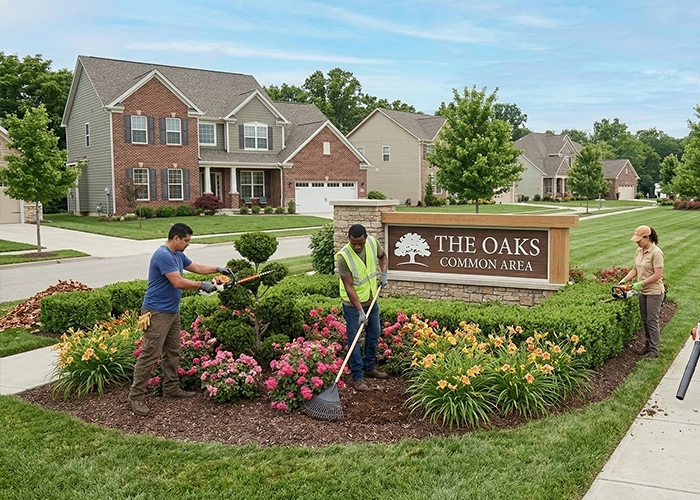
The quality of life in an association often depends on the quality of its vendors. From the landscaping crew to the pool technicians, these partners are essential to daily operations. Establishing clear contracts with measurable performance standards is key to keeping everyone on the same page.
Regularly reviewing these partnerships ensures the community is receiving the best value for its money. It is not always about finding the cheapest option, but rather the most reliable one. A vendor who understands the specific needs of your property is worth their weight in gold.
Encouraging Resident Involvement
A board cannot do everything alone, and a community is stronger when more people are involved. Creating committees for specific areas like social events or landscaping can lighten the load for directors. It also gives residents a chance to use their unique skills for the benefit of their neighbors.
- Form a social committee to plan holiday events.
- Start a welcoming committee for new homeowners.
- Establish a green committee for eco-friendly initiatives.
- Create a safety committee to work with local law enforcement.
Volunteers are the backbone of any successful association. Recognizing their hard work during meetings or in newsletters goes a long way. When people feel their contributions are valued, they are more likely to stay engaged and help the community thrive.
Professional Guidance and Education

The laws governing community associations are constantly evolving. Board members should take advantage of educational workshops or seminars to stay informed. Understanding your legal obligations protects the board from liability and ensures the association operates within the law.
Hiring a professional management company can provide the expertise needed to navigate complex situations. These professionals bring a wealth of experience and can handle the day-to-day administrative burdens. This allows the board to focus on the big-picture decisions that shape the future of the neighborhood.
A Stronger Way Forward
Success in management is found through the balance of firm leadership and genuine compassion for the residents. By focusing on transparency and consistency, boards can create a harmonious environment for everyone. Your community deserves the best, and these steps will help you deliver exactly that.
Ready to elevate your community’s success with professional guidance? Contact Harbour Master Management Group today to discover how our seasoned expertise can steer your board toward a stress-free experience.
Related Articles: