It can be a bit of a shock to realize that your community is operating with no HOA board in place. While the idea of living without rules might sound like freedom to some, the reality often leads to a series of complicated legal and financial headaches for every homeowner involved.
The Immediate Risks of Having No HOA Board
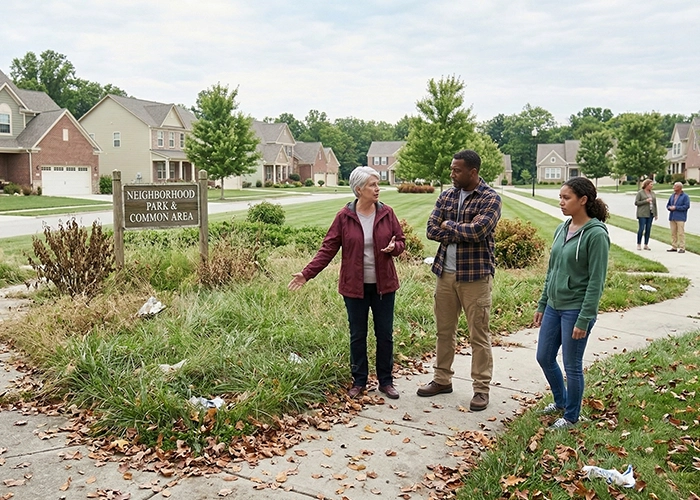
When a community finds itself with no HOA board, the most pressing issue is the sudden lack of leadership for daily operations. Without a functional board, there is nobody authorized to sign checks, pay the utility bills for common areas, or manage the insurance policies that protect the neighborhood. This often leads to a rapid decline in the appearance of the community as landscaping contracts go unpaid and maintenance issues are ignored.
The financial health of the association is usually the first thing to suffer during these periods of inactivity. If there is no board to approve the annual budget or oversee the collection of dues, the reserve funds can quickly dwindle. Most state laws and governing documents require a minimum number of directors to conduct official business, meaning that without them, the association is effectively paralyzed.
Living in a neighborhood where the governing body has vanished creates an environment of uncertainty for potential buyers and current residents. When a home goes up for sale, lenders often look for a healthy association and a functional board before approving a mortgage. A lack of leadership can make it nearly impossible for owners to sell their property or refinance their existing loans.
How Communities End up without Leadership
There are several reasons why a neighborhood might find themselves in this predicament, but it usually starts with a lack of volunteer interest. Serving on a board is a thankless job that requires a significant time commitment and a thick skin for dealing with neighbor disputes. When veteran board members step down and no one is willing to take their place, the seats simply remain empty.
In some cases, a mass resignation occurs because of internal conflict or legal threats that make the position feel too risky for a volunteer. If the community atmosphere becomes toxic, even the most dedicated residents might decide that the stress is no longer worth it. This leaves the association in a vulnerable state where the corporate status could eventually be administratively dissolved by the state.
Total HOA dissolution is another path, though it is a much more formal and difficult process than simply having empty seats. It usually requires a supermajority vote from all homeowners and a clear plan for what happens to the common property. Most neighborhoods find that maintaining the association is a better path than trying to navigate the legal maze of a full dissolution.
The Reality of Court-Appointed Receivership
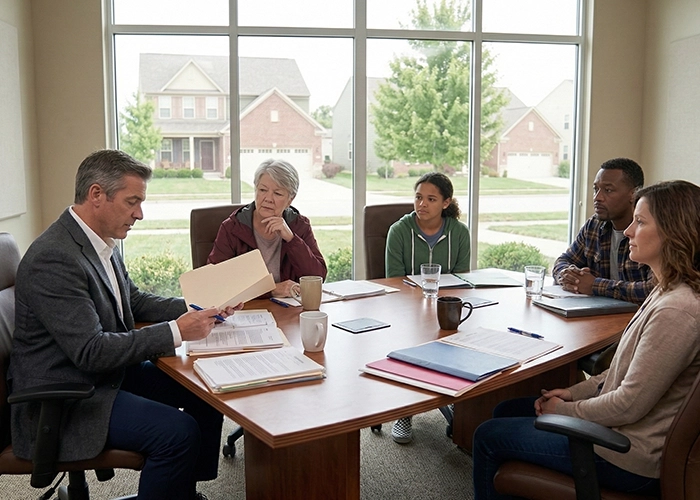
If a community remains stuck with no leadership for too long, a judge may step in to appoint a receiver to run the association. This is often the most expensive outcome for homeowners because a receiver is a professional who charges an hourly rate to handle every single board duty. They are not there to be a friendly neighbor; they are there to fix the books and ensure the bills are paid.
A receiver has the power to make significant changes without needing the approval of the homeowners. They can:
- Raise monthly assessments to cover the costs of their own fees and back-logged maintenance.
- Levy special assessments to repair common areas that were neglected during the vacancy.
- Enforce CC&Rs and initiate foreclosures on residents who are behind on their dues.
- Enter into long-term contracts for services like trash pickup and pool maintenance.
While a receiver can get a community back on track, the loss of local control is often frustrating for residents. You lose the ability to have a say in how your money is spent or which projects are prioritized for the year. It is almost always in the best interest of the community to find volunteers and avoid this level of court intervention.
Why Professional Management Matters during a Vacancy

A professional management company acts as a vital bridge when a community is struggling to find enough volunteers for the board. While the manager cannot legally replace the board or make policy decisions, they can handle the heavy lifting of administrative tasks. Having a professional team in place ensures that the bills are paid and the records are kept in order while the search for new leaders continues.
Management companies provide a level of continuity that is hard to maintain when boards are constantly changing or going through a dry spell. They understand the state statutes and the specific requirements of your governing documents, which helps prevent the association from falling out of legal compliance. This expertise is especially helpful when trying to recruit new members who might be intimidated by the complexity of the role.
By taking the “busy work” off the plates of the volunteers, a management company makes the board position much more attractive to busy professionals. When a resident knows they only have to focus on big-picture decisions instead of chasing down contractors, they are much more likely to step up. This partnership is often the key to moving a neighborhood away from the brink of receivership and back toward a healthy, self-governed status.
Steps to Restore Your Association Board
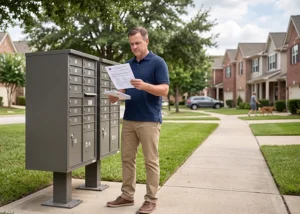
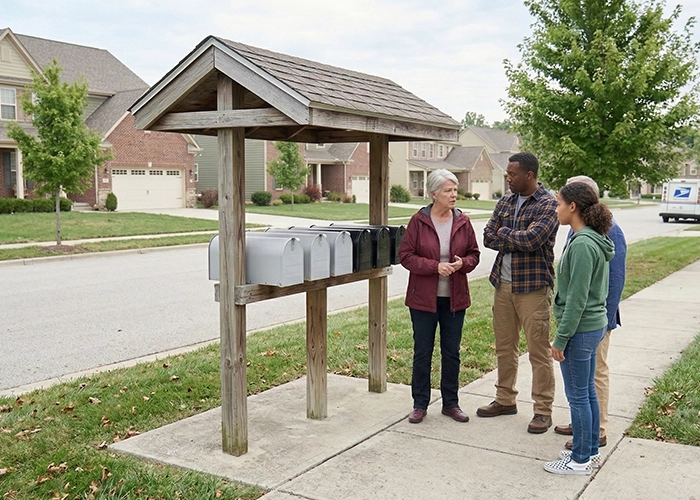
If you are currently living in a neighborhood with no board, the first step is to gather a group of concerned neighbors to discuss the situation. You do not need a formal meeting to start talking about the risks of losing your property values or facing a court-appointed receiver. Often, just a few conversations at the mailbox are enough to spark interest in saving the community.
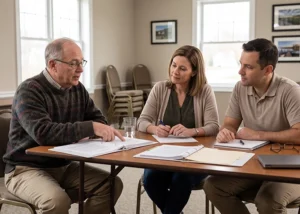
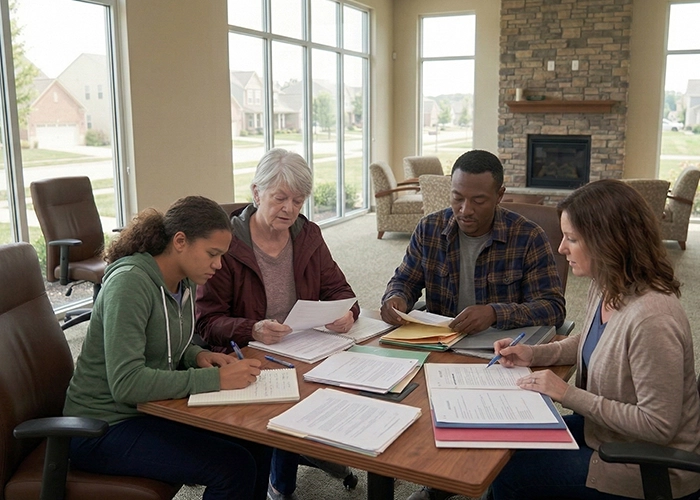
Once you have a small group, you should review your bylaws to see how to call a special meeting for the purpose of electing a new board. Even if the previous board is gone, the governing documents usually provide a path for the members to call a meeting themselves. It might take some legwork to get the word out, but the future of your investment depends on getting people to show up.
- Review the current financial status and any outstanding debts of the association.
- Reach out to a management professional to see if they can help facilitate an emergency election.
- Identify a slate of candidates who are willing to serve for at least a one-year term to stabilize the ship.
- Distribute proxies to ensure you meet the quorum requirements for a valid vote.
- Hold the election and immediately notify the state and your insurance carriers of the new leadership.
Moving Forward with a Fresh Perspective
The goal of a new board should be to rebuild trust and transparency within the neighborhood. Many times, the lack of volunteers is a result of people feeling like their voices aren’t heard or that the board is a closed circle. By holding open meetings and sharing regular updates, the new leaders can create a culture where people feel comfortable getting involved.
It is also a good time to look at why the previous board was unable to find replacements. If the workload was too high, it might be time to delegate more tasks to a professional management team or create committees to handle specific areas like landscaping or social events. Spreading the responsibilities around makes the job sustainable and prevents the burnout that leads to vacancies.
Taking the Helm Again
Bringing a community back from a period of no leadership is a major achievement that protects everyone’s property values. It takes a little bit of courage to be the one to step up, but the rewards of a well-run, stable neighborhood are worth the effort. With the right support and a clear plan, your community can thrive once again.
Is your community struggling with a vacant board or feeling the weight of mismanagement? Contact Harbour Master Management Group today to see how our seasoned guidance can help steer your association back toward a stress-free future.