
Contract renewals are a routine part of running a homeowners association, but they should never be treated as a simple formality. Every renewal gives the board a chance to confirm that vendors continue to meet the community’s expectations while ensuring the association receives the best value for its investment.
Renew Smarter by Reviewing Contracts
Whether your HOA works with landscapers, maintenance crews, management companies, or security providers, taking a thoughtful approach to HOA contract renewals can help avoid unnecessary costs, service issues, and legal complications. A little preparation today can prevent much bigger problems later.
Every contract has a beginning and an end, but many associations don’t review them until the expiration date is only weeks away. By then, the board has very little time to evaluate performance or negotiate better terms.
Instead, contract reviews should become part of the HOA’s annual planning process. Looking at agreements several months before they expire gives board members enough time to ask questions, gather feedback, and compare other options if necessary.
Not every contract deserves an automatic renewal. Vendors may have performed well several years ago, but service quality, pricing, and business needs can all change over time. The association should determine whether each agreement still serves the community’s best interests.
Some contracts also include automatic renewal clauses. If the board misses the required notice period, the agreement may renew for another year before anyone has the opportunity to negotiate changes. Understanding these deadlines is just as important as understanding the services being provided.
Why Automatic Renewals Can Create Problems

Automatic renewal clauses are common in vendor agreements. While they can reduce paperwork, they can also limit the board’s flexibility.
Imagine discovering that your landscaping costs have increased significantly over the past three years. If the board forgets to provide notice before the renewal deadline, it could remain locked into another contract term without exploring better options.
The same issue can happen with maintenance providers, security companies, waste removal services, and even management contracts.
Before renewing any agreement, review the following items carefully:
- Renewal deadlines
- Required written notice periods
- Automatic renewal language
- Price adjustment clauses
- Termination requirements
- Renewal length
Keeping these details organized in one location helps prevent unpleasant surprises throughout the year.
Evaluate Vendor Performance Before Making a Decision
Price should never be the only factor during a contract renewal. A lower-cost vendor may ultimately create more work if service quality declines.
Boards should look at the vendor’s overall performance throughout the contract period instead of focusing on isolated incidents. Consistent communication, reliability, and professionalism often provide more long-term value than the lowest bid.
Some helpful questions include:
- Did the vendor consistently meet deadlines?
- Were resident concerns addressed promptly?
- Did invoices match the agreed pricing?
- Was communication timely and professional?
- Did emergency situations receive immediate attention?
- Has the vendor demonstrated accountability when problems occurred?
Gathering feedback from board members, committee members, and the community manager creates a more balanced picture of vendor performance.
If recurring issues continue despite multiple discussions, renewal may not be the best option.
Consider Whether the Community’s Needs Have Changed

Communities naturally evolve over time. What worked five years ago may no longer fit today’s needs.
For example, an association may have added amenities, expanded common areas, or experienced significant growth. These changes often require different service levels than the original agreement anticipated.
A landscaping contract signed when the community had one entrance may no longer cover several new common spaces. Likewise, security services may need additional patrols if traffic has increased or new facilities have opened.
Contract renewals provide an opportunity to align vendor responsibilities with the community’s current priorities rather than continuing outdated arrangements.
Review Pricing With Fresh Eyes
Many boards hesitate to negotiate because they assume the current pricing remains competitive. That assumption can become expensive over time.
Market conditions change. Labor costs, insurance rates, fuel expenses, and material prices all influence vendor pricing. At the same time, competition within the local market may create opportunities for better value.
This doesn’t necessarily mean choosing the lowest proposal. Instead, the board should understand what comparable vendors offer for similar services.
When reviewing pricing, consider factors such as:
- Current annual cost
- Services included
- Additional fees
- Emergency service charges
- Contract flexibility
- Response times
- Performance history
Sometimes paying slightly more for exceptional service saves money by reducing repairs, complaints, and emergency expenses.
Don’t Overlook Insurance and Licensing

One of the easiest details to overlook during HOA contract renewals is verifying vendor qualifications.
Insurance policies expire. Business licenses require renewal. Certifications may change over time. Even long-term vendors should provide updated documentation before a contract is renewed.
Request current copies of:
- General liability insurance
- Workers’ compensation coverage
- Professional licenses, if applicable
- Required certifications
- Business registration information
Keeping current records protects both the association and its residents if an accident or dispute occurs.
Renegotiate Terms Instead of Accepting the Same Agreement
A contract renewal does not have to mean signing the exact same document. It is an opportunity to revisit the agreement and make changes that better serve the community.
Perhaps the vendor has expanded its services since the original contract was signed. Maybe your HOA has different priorities now, or certain responsibilities need clearer definitions. These situations are common, and they often lead to productive conversations that benefit both parties.
Before entering negotiations, the board should identify what is working well and what could be improved. Having clear goals helps keep discussions focused and professional.
Some areas worth reviewing include:
- Scope of work
- Service schedules
- Response time expectations
- Payment terms
- Performance standards
- Reporting requirements
- Renewal periods
- Termination clauses
Small adjustments can make a significant difference over the life of a contract. Even simple changes, such as defining communication expectations or adding service benchmarks, can reduce misunderstandings later.
The goal is not to make negotiations difficult. It is to ensure the agreement accurately reflects the services the association expects to receive.
Know When It Is Time to Request Competitive Bids
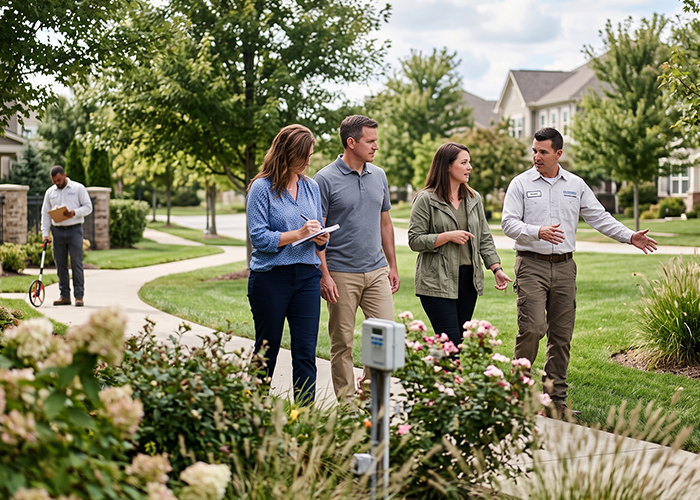
Not every contract needs to be rebid each year. Long-term relationships with dependable vendors can provide consistency and better service over time.
Still, there are situations where requesting proposals from other companies makes good business sense.
The board should consider obtaining competitive bids when:
- Pricing has increased significantly.
- Service quality has declined.
- Communication has become inconsistent.
- The community’s needs have changed.
- The current contract no longer reflects industry standards.
- Residents continue raising concerns about the vendor’s performance.
Requesting bids does not automatically mean replacing the current vendor. Instead, it provides valuable information about market pricing, available services, and industry trends.
Sometimes the existing vendor remains the strongest choice. Other times, the board discovers opportunities to improve service while staying within budget.
Either outcome helps the association make informed decisions instead of relying on assumptions.
Document Performance Throughout the Contract Period
Waiting until renewal season to evaluate a vendor often leads to incomplete or inaccurate assessments.
Board members may remember recent events but forget problems that occurred months earlier. Likewise, strong vendors may not receive proper recognition if their consistent performance has simply become expected.
Keeping notes throughout the year creates a more objective review process.
Helpful documentation may include:
- Resident feedback
- Maintenance reports
- Response times
- Completed projects
- Missed deadlines
- Service requests
- Invoice accuracy
- Communication records
This information gives the board a complete picture when renewal discussions begin.
It also creates useful documentation if contract disputes arise or if future board members need historical context.
Pay Close Attention to Contract Language

Every word in a contract has a purpose. While many agreements contain standard legal language, some clauses deserve extra attention before signing a renewal.
For example, pricing adjustments should clearly explain when increases may occur and how they are calculated. Service descriptions should define exactly what work is included and what falls outside the agreement.
Boards should also review indemnification provisions, liability limitations, dispute resolution procedures, and cancellation requirements.
If language seems unclear or overly broad, ask questions before renewing the contract.
Working with qualified legal counsel when reviewing significant vendor agreements can help prevent misunderstandings that become costly later.
Plan Renewals Well Before Expiration Dates
One of the biggest mistakes HOA boards make is waiting until the final weeks of a contract.
When deadlines approach quickly, the board has fewer choices. There may not be enough time to gather proposals, negotiate pricing, review legal terms, or obtain resident input when appropriate.
Creating a renewal schedule helps eliminate unnecessary pressure.
Many communities begin reviewing contracts between 90 and 180 days before expiration.
A simple renewal calendar can include:
- Contract expiration date
- Required notice deadline
- Insurance renewal date
- Vendor performance review
- Board discussion date
- Bid solicitation period
- Contract approval meeting
- Final signing date
Keeping this information organized allows the board to make thoughtful decisions instead of rushed ones.
Keep Communication Open With Vendors
Strong vendor relationships are built through consistent communication, not just contract negotiations.
If concerns arise during the contract period, addressing them early gives the vendor an opportunity to improve. Waiting until renewal discussions often catches vendors off guard and limits the chances for meaningful improvement.
Likewise, vendors appreciate knowing when they are meeting or exceeding expectations.
Regular conversations help establish trust and encourage accountability throughout the year.
When renewal season arrives, both sides already understand each other’s expectations, making negotiations smoother and more productive.
Common HOA Contract Renewal Mistakes
Even experienced boards occasionally overlook important details during renewals.
Recognizing these common mistakes can help the association avoid unnecessary complications.
Some of the most frequent issues include:
- Allowing contracts to renew automatically without review.
- Focusing only on price instead of overall value.
- Waiting too long to begin the renewal process.
- Forgetting to verify insurance coverage.
- Overlooking termination notice deadlines.
- Failing to document vendor performance.
- Using outdated contract language.
- Accepting verbal promises instead of written revisions.
None of these mistakes are difficult to avoid, but they require planning and organization.
Developing a consistent renewal process each year makes contract management much more efficient.
Build a Standard Contract Review Process
Every HOA benefits from having a repeatable process for evaluating contracts.
Rather than treating each renewal differently, establish a framework that can be followed for every vendor relationship.
An effective review process often includes:
- Reviewing the current agreement.
- Evaluating vendor performance.
- Confirming insurance and licensing.
- Comparing market pricing.
- Determining whether service needs have changed.
- Negotiating updates if necessary.
- Obtaining board approval.
- Documenting the final agreement.
Following the same process each time promotes consistency, transparency, and stronger governance.
It also makes onboarding new board members much easier because expectations are already well established.
How Professional HOA Management Simplifies Contract Renewals
Managing multiple vendor agreements takes time, organization, and attention to detail. Between landscaping, maintenance, security, pool services, janitorial work, insurance, and other recurring contracts, it’s easy for important deadlines to slip through the cracks.
This is where an experienced HOA management company provides real value. Community managers help boards keep contracts organized, monitor renewal dates, communicate with vendors, and coordinate the review process well before deadlines arrive.
Professional managers also understand what comparable communities are paying for similar services. That knowledge gives boards valuable insight during negotiations and helps determine whether current pricing remains competitive.
Beyond pricing, management companies often track vendor performance throughout the year. Service issues, resident concerns, completed projects, and response times are documented as they happen instead of being recalled months later during renewal discussions.
When competitive bids become necessary, a management company can assist with preparing requests for proposals, gathering qualified vendors, reviewing submissions, and presenting organized comparisons to the board. This saves volunteers considerable time while supporting informed decision-making.
Most importantly, professional management helps boards stay focused on governance rather than getting buried in administrative work. Contract renewals become part of an organized process instead of a last-minute scramble.
Long-Term Vendor Relationships Still Require Regular Reviews
A vendor who has worked with the association for many years may have earned the board’s trust, but that should not eliminate regular evaluations.
Long-term partnerships often create consistency and efficiency because vendors become familiar with the property, residents, and community expectations. That experience can improve service quality and reduce the learning curve that comes with hiring someone new.
Even so, every renewal should include a fresh review of the agreement. Pricing, insurance, service expectations, and community needs can all change over time.
Healthy vendor relationships are built on accountability. When both parties understand that contracts will be reviewed objectively, expectations remain clear and communication stays productive.
Renewals should never feel automatic. Instead, they should confirm that the partnership continues to benefit the association.
A Simple Renewal Timeline Can Reduce Stress
Many contract issues arise because boards wait too long to begin the review process. Establishing a timeline keeps everyone on schedule and allows enough time to make thoughtful decisions.
A practical timeline may look like this:
180 Days Before Expiration
- Review the existing contract.
- Confirm renewal and termination deadlines.
- Identify any service concerns.
120 Days Before Expiration
- Evaluate vendor performance.
- Request updated insurance documents.
- Discuss whether the community’s needs have changed.
90 Days Before Expiration
- Obtain competitive bids if needed.
- Meet with the current vendor to discuss possible changes.
- Compare pricing and service options.
60 Days Before Expiration
- Finalize negotiations.
- Review the revised agreement.
- Obtain legal review if appropriate.
30 Days Before Expiration
- Board votes on the contract.
- Execute the agreement.
- Update contract records and renewal calendar.
Following a timeline like this reduces pressure and gives the board enough flexibility to make decisions based on facts instead of deadlines.
Strong Contract Management Benefits the Entire Community
Residents may never read vendor contracts, but they experience the results every day.
Reliable landscaping keeps common areas attractive. Responsive maintenance prevents small problems from becoming expensive repairs. Professional security helps residents feel safe. Well-managed service providers contribute directly to property values and homeowner satisfaction.
Thoughtful contract renewals support all of these goals. They help associations maintain quality services while protecting the community’s financial resources.
Board members have a responsibility to act in the association’s best interest, and careful contract management is one way to fulfill that responsibility. Taking the time to review agreements, evaluate vendors, and negotiate fair terms demonstrates sound leadership and responsible stewardship.
Make Every Contract Renewal Count
Contract renewals should never be viewed as paperwork that simply needs a signature. They represent an opportunity to strengthen vendor relationships, improve service quality, and ensure the association continues receiving the value homeowners expect.
A proactive process not only protects the community’s budget but also supports long-term success for everyone who calls the neighborhood home.
Make your next HOA contract renewal simpler and more effective with the right management partner. Contact Harbour Master Management Group at 401-414-5130 or through our online contact form to learn how our experienced team can simplify your HOA contract renewal process and support your community’s long-term success.
Related Articles: