
Board transitions are a natural part of every homeowners association. Whether a director completes their term, resigns, or new volunteers step forward, each leadership change creates an opportunity to strengthen the community. With the right preparation, board transitions can happen smoothly without disrupting daily operations or long-term goals.
Why They Matter More Than You Think
Every HOA depends on consistent leadership. While individual board members come and go, the association’s responsibilities remain the same. Budgets still need approval, vendors still require oversight, and homeowners still expect timely communication.
That is why board transitions deserve careful attention. A well-planned transition helps preserve knowledge, reduces confusion, and allows incoming directors to contribute with confidence. Instead of spending months trying to figure out how things work, new board members can focus on serving the community from day one.
Good transitions also build trust among homeowners. Residents notice when meetings continue on schedule, projects stay on track, and communication remains clear despite changes in leadership.
Why Board Transitions Can Become Challenging
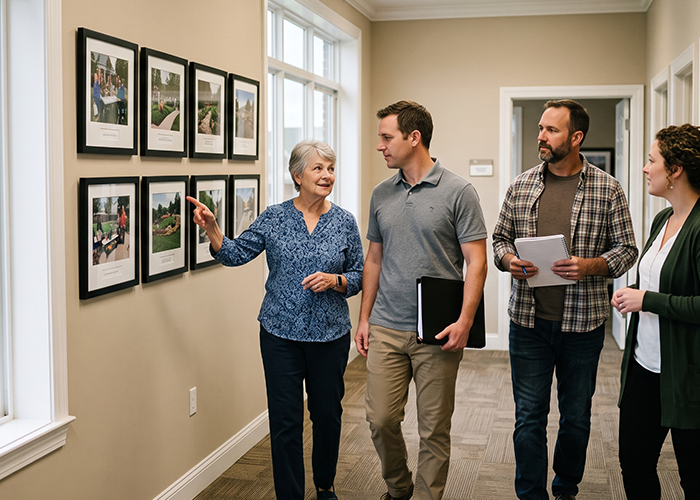
Leadership changes are rarely difficult because people leave. Most problems happen because information leaves with them.
Many outgoing directors have years of experience stored in emails, handwritten notes, or personal files. If those materials are never shared, incoming members must recreate processes that already existed.
Common transition challenges include:
- Missing financial records
- Incomplete vendor information
- Limited understanding of ongoing projects
- Passwords or account access not being transferred
- Unclear board responsibilities
- Little or no training for new directors
These issues can delay decisions and create unnecessary frustration. Fortunately, most of them are easy to prevent with a little planning.
Start Planning Before the Election
One of the biggest mistakes HOAs make is waiting until after elections to think about the transition process.
Preparation should begin well before board seats change hands. This gives outgoing directors enough time to organize documents and identify active projects while everything is still fresh in their minds.
Boards should review:
- Current contracts
- Financial reports
- Reserve projects
- Committee updates
- Governing documents
- Pending homeowner requests
- Legal matters
- Vendor contacts
Creating an organized transition packet before elections makes the handoff much smoother once new directors officially begin serving.
Build a Complete Transition Binder

Every association should maintain a central collection of important records. Whether it is digital, printed, or both, this resource becomes one of the most valuable tools during board transitions.
A strong transition binder typically includes:
Governing Documents
Include the declaration, bylaws, articles of incorporation, architectural guidelines, and current rules.
Financial Information
Provide the latest budget, reserve study, bank information, insurance policies, audits, and monthly financial statements.
Vendor Directory
List every contractor along with contact information, contract dates, pricing, and notes about recent work.
Current Projects
Summarize active maintenance, capital improvements, landscaping projects, and pending homeowner requests.
Meeting Records
Include recent meeting minutes and board resolutions so incoming members understand previous decisions.
Important Contacts
Maintain updated contact information for the management company, attorney, accountant, insurance agent, reserve specialist, and emergency vendors.
Having everything in one location saves countless hours and helps new board members get up to speed quickly.
Create Clear Knowledge Transfer Sessions
Documents tell only part of the story. Conversations often explain why certain decisions were made and what challenges remain.
Scheduling one or two transition meetings allows outgoing and incoming directors to discuss:
- Current priorities
- Long-term goals
- Budget concerns
- Vendor relationships
- Community expectations
- Upcoming deadlines
These discussions help preserve valuable experience that cannot always be captured on paper.
Instead of starting from scratch, new board members gain context that helps them make informed decisions.
Help New Board Members Understand Their Roles
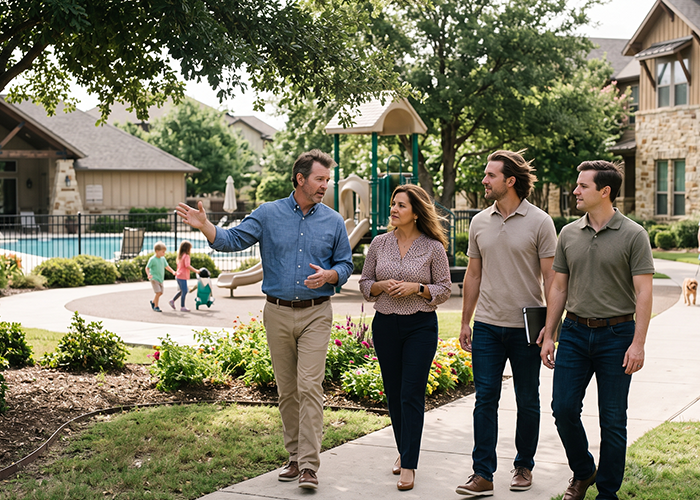
Serving on an HOA board often feels unfamiliar at first. Many volunteers have never held similar positions before.
Orientation can make a significant difference.
New directors should understand:
- Their fiduciary responsibilities
- Meeting procedures
- Financial oversight
- Ethics expectations
- Confidentiality requirements
- State laws affecting community associations
The sooner new members understand these responsibilities, the more confident they become during meetings and discussions.
Keep Communication Open With Homeowners
Board transitions naturally raise questions among residents.
Some homeowners may wonder whether projects will continue or whether policies will change. Others simply want reassurance that their community remains in good hands.
A simple announcement after elections helps reduce uncertainty.
Share information such as:
- Newly elected board members
- Officer appointments
- Appreciation for outgoing directors
- Upcoming goals
- Meeting schedule
Clear communication builds confidence and shows homeowners that leadership changes are part of a healthy association.
Review Ongoing Projects Together

Every HOA usually has several projects underway at any given time.
These may include:
- Roof replacements
- Landscaping improvements
- Pool renovations
- Reserve study updates
- Community events
- Budget planning
- Insurance renewals
Outgoing directors should provide a written status update for each project.
Helpful details include:
- Current progress
- Remaining work
- Contractor contacts
- Important deadlines
- Approved budgets
- Potential concerns
This simple step prevents projects from slowing down after leadership changes.
Update Access to Association Accounts
One of the most overlooked parts of board transitions involves digital access.
Outgoing directors often manage multiple online accounts. If login credentials remain tied to former board members, the association could lose access to important information.
Review and update access for:
- Bank accounts
- HOA management software
- Website administration
- Email accounts
- Accounting systems
- Document storage
- Social media accounts
- Vendor portals
Passwords should always be updated after leadership changes for security purposes.
Work Closely With Your HOA Management Company

Professional management companies play an important role during board transitions.
Because managers work continuously with the association, they often provide valuable continuity while volunteer leadership changes.
An experienced management team can assist by:
- Organizing records
- Preparing orientation materials
- Explaining ongoing projects
- Coordinating meetings
- Maintaining vendor communication
- Tracking deadlines
- Supporting new directors
This guidance helps incoming boards avoid unnecessary mistakes while becoming familiar with their responsibilities.
Preserve the Association’s Institutional Knowledge
Every board learns valuable lessons over time.
Some vendors consistently perform well. Certain maintenance schedules work better than others. Previous projects often reveal helpful insights for future planning.
Rather than allowing that knowledge to disappear, boards should document it.
Consider maintaining a running leadership guide that includes:
- Successful project strategies
- Lessons learned
- Preferred vendors
- Seasonal maintenance schedules
- Annual planning calendar
- Frequently asked homeowner questions
Updating this guide every year creates an ongoing resource that benefits every future board.
Encourage Respect Between Outgoing and Incoming Leaders
Leadership changes work best when everyone approaches the process with professionalism.
Outgoing directors should recognize that their service helped shape the community. Incoming directors should appreciate that foundation while bringing fresh ideas and perspectives.
Respect creates smoother conversations and stronger collaboration.
Even if priorities change over time, both groups ultimately share the same goal of serving homeowners and protecting community assets.
Develop an Annual Transition Process
The best board transitions follow a repeatable process rather than being created from scratch every election cycle.
An annual checklist helps ensure consistency.
A practical transition process may include:
- Organize board records.
- Review financial reports.
- Update vendor information.
- Transfer digital accounts.
- Schedule orientation meetings.
- Introduce new directors.
- Review ongoing projects.
- Update committee assignments.
- Share governing documents.
- Establish priorities for the new board.
Using the same process each year reduces confusion and creates stability throughout the association.
Strong Leadership Begins With Strong Transitions
Every successful HOA depends on continuity as much as leadership. When knowledge, records, and responsibilities pass smoothly from one board to the next, the entire community benefits.
With clear planning, organized records, open communication, and guidance from an experienced management company, your association can equip new leaders with the confidence and knowledge they need to keep the community thriving.
Every successful board transition starts with the right foundation. Whether you’re preparing for an upcoming election or welcoming new board members. Harbour Master Management Group has the expertise to make the transition smooth and stress-free. Call us at (401) 414-5130 or contact us online to get started.
Related Articles: