
Selling a home in a homeowners association involves more than signing a purchase agreement and choosing a closing date. An HOA resale package gives the buyer important details about the association, the property, and the financial duties that come with ownership.
Understanding a Resale Package
An HOA resale package is a set of documents prepared for the sale of a home within a managed community. It helps a buyer understand how the association operates before taking ownership of the property.
The package may also be called a resale certificate, disclosure package, closing package, status letter, or estoppel certificate. These terms are sometimes used for different documents, so sellers should confirm exactly what their state, closing agent, and association require.
A complete package often combines two types of information. The first explains the community as a whole. The second deals with the account and compliance status of the home being sold.
Why It Matters

Buying into an HOA means accepting certain rules and financial duties. A buyer may need to pay regular assessments, follow architectural standards, observe parking limits, and comply with rental or pet rules.
The resale package places many of those details in one location. Instead of learning about a restriction after closing, the buyer has a chance to review it while the sale is still in progress.
This review can uncover issues that may affect the purchase. A buyer might discover an upcoming special assessment, a pending rule change, or a restriction that does not fit their plans for the home.
The package also protects the seller and association. Clear records reduce confusion over unpaid balances, violations, and fees. When everyone works from the same information, the closing is less likely to be delayed by a last-minute dispute.
What Is Included
The exact contents depend on state law, the association’s governing documents, and the type of community. A package for a condominium may differ from one prepared for a single-family HOA.
Most packages include several of the following items:
- Declaration of covenants, conditions, and restrictions
- Articles of incorporation
- Bylaws
- Current rules and regulations
- Architectural guidelines
- Current operating budget
- Recent financial statements
- Reserve fund information
- Regular assessment amount and payment schedule
- Approved or pending special assessments
- Association insurance information
- Pending litigation or legal claims
- Recent meeting minutes
- Rental, pet, parking, and amenity rules
- Contact information for the association or manager
The package may also contain property-specific information, such as the owner’s current account balance. Any transfer fee, capital contribution, resale fee, or move-in charge may be listed as well.
A compliance statement may show whether known violations exist. This could involve an unapproved fence, overdue maintenance, improper parking, or an exterior change that was completed without approval.
Understanding the Property-Specific Certificate

The property-specific part of the package deserves close attention because it can affect the amount due at closing. It usually states whether the seller is current on regular assessments and whether other association charges remain unpaid.
Depending on local requirements, the certificate may address:
- The amount of regular assessments.
- The date through which assessments have been paid.
- Any unpaid late fees, fines, or collection costs.
- Approved special assessments.
- Known violations tied to the property.
- Transfer fees or buyer contributions.
- Association approval requirements.
- Pending legal action involving the owner or property.
A buyer should not assume that a clean-looking home has a clean HOA account. The lawn may be trimmed and the exterior may look perfect, yet an unpaid balance or unresolved application could still be present.
For the seller, reviewing this information early provides time to correct mistakes. A payment may have been posted to the wrong account, or a completed repair may not have been marked as closed.
Who Orders and Pays for the Package?
In many communities, the seller or the seller’s agent requests the HOA resale package. However, local practice and state law may place the duty on another party.
The request is usually sent to the association, its management company, or an approved document provider. The person submitting it may need to provide the property address, owner information, buyer information, and expected closing date.
Fees also vary. Some associations charge one amount for standard delivery and a higher amount for rush service. Updated certificates or added questionnaires may require separate payments.
Before ordering, confirm:
- Who is responsible for making the request
- Which package or certificate is needed
- How much the package costs
- Who must pay the fee
- How long preparation will take
- Whether rush service is available
- How the finished documents will be delivered
A clear request prevents duplicate orders and unnecessary charges. It also gives the association enough information to search its records and prepare an accurate response.
When Should the Package Be Ordered?

The package should be requested as early as the transaction allows. Waiting until the week of closing leaves little room to address unpaid balances, missing records, or an unexpected violation.
State laws may establish delivery periods and buyer review rights. For example, Florida law requires specific disclosures for sales within mandatory homeowners associations and gives buyers certain cancellation rights when disclosures are delivered late. Condominium sales follow a separate set of requirements.
Because the rules differ by location and property type, sellers should not rely on a general timeline found online. The real estate agent, closing attorney, title company, or association manager can help identify the deadline that applies.
Early ordering does not mean ordering too soon. Some property-specific statements remain valid for only a limited time. If the closing date changes, an update may be required.
What Buyers Should Review Carefully
A buyer may receive dozens or even hundreds of pages. Reading every page can feel difficult, but skipping the package could lead to costly surprises.
Start with the financial information. Check the current assessment, recent increases, reserve balance, budget, and any approved or discussed special assessments. A low monthly fee may not be a bargain if the association has delayed major repairs.
Next, review the use restrictions. Buyers should confirm that their plans fit the community’s rules, especially if they intend to:
- Rent the home
- Keep multiple pets
- Park a commercial vehicle
- Install a fence or shed
- Operate a home business
- Make exterior changes
- Use community amenities for guests
- Purchase the property as an investment
Recent meeting minutes can also provide context. They may mention roof work, drainage concerns, insurance costs, vendor disputes, or projects that do not yet appear in the annual budget.
Buyers with legal or financial concerns should speak with a qualified professional. The association manager can provide records, but the manager generally should not interpret legal rights or advise someone whether to purchase the property.
What Sellers Can Do Before Listing
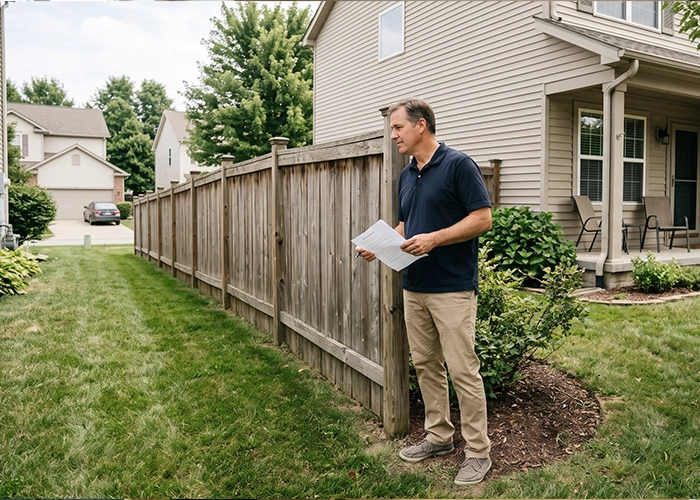
A seller does not need to wait for an accepted offer to prepare for the association’s part of the sale. A little work before listing can prevent a small issue from becoming a closing problem.
First, confirm that the account is current. Review recent statements and resolve any balance that appears incorrect.
Next, look at the property from the association’s point of view. Check for visible changes that may have required approval, including fences, patios, paint colors, sheds, windows, doors, and landscaping work.
Sellers should also gather records for approved improvements. If a board approval was issued several years ago, keeping a copy can help when the association reviews the file.
A practical presale checklist includes:
- Verify that assessments are paid.
- Ask whether any violations remain open.
- Locate approvals for exterior changes.
- Review current transfer and resale fees.
- Confirm where the package must be ordered.
- Ask about the usual processing time.
- Share access instructions for any required inspection.
These steps cannot prevent every delay, but they give the seller more time to respond if a problem appears.
How HOA Boards Can Improve the Process
Resale requests can arrive quickly, especially during a busy housing season. Associations with scattered records may spend hours looking for the latest budget, amendments, meeting minutes, or account history.
A central document system makes the process easier. Governing documents should be kept together, amendments should be added promptly, and outdated copies should be clearly labeled. Financial records and owner account details should also be updated on a set schedule.
Boards can improve resale handling by establishing:
- One method for submitting requests
- A published list of required information
- Standard and rush processing times
- A current fee schedule
- A checklist for every package
- A final review before delivery
- Secure handling of private owner information
The association should also make clear who may answer resale questions. When board members, managers, and vendors give different responses, buyers and sellers can lose confidence in the information.
Common Problems That Delay a Resale Package

Incomplete requests are a frequent cause of delay. A missing unit number, owner name, closing date, or payment may prevent the association from starting its review.
Outdated records create another problem. If the association has not entered a recent payment or closed a corrected violation, the certificate may show information that the seller disputes.
Delays can also occur when several parties assume someone else placed the order. The seller may expect the title company to handle it, while the title company expects the real estate agent to submit the request.
Other common issues include:
- Ordering the wrong document
- Requesting the package too close to closing
- Sending the request to an old management company
- Failing to pay the required preparation fee
- Using an outdated owner mailing address
- Overlooking a separate master association
- Waiting too long to question an incorrect balance
Clear communication helps resolve most of these issues. The order confirmation, payment receipt, and final package should be saved with the closing records.
Make Every Resale Easier to Manage
With a clear understanding of what the package includes and when it will be available, everyone can plan ahead and help avoid last-minute delays.
A home sale moves more smoothly when the details are ready before anyone has to ask twice. Contact Harbour Master Management Group to learn how organized, dependable HOA management can help keep each sale on track.
Related Articles:
- State HOA Laws: What Every HOA Board and Homeowner Should Know
- Effective Communication in HOA Communities: Strategies Every Board Should Know
- HOA Record Keeping: What Boards Should Keep and Why It Matters