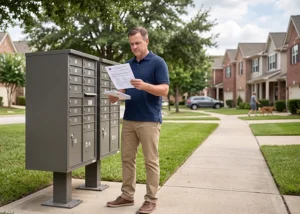
A strong sense of safety shapes how residents experience community life. Many homeowners look for neighborhoods where they feel comfortable walking in shared spaces and confident about the protection of their property. Effective HOA security brings together technology, policy, and resident awareness in a way that supports that expectation.
The Fiduciary Mandate for Strong HOA Security
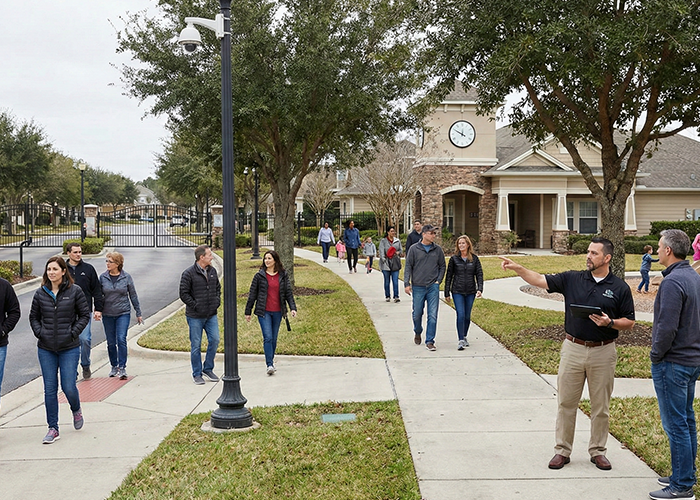
A well-managed association treats security as a core part of its duty to homeowners. The board is expected to recognize risks, maintain safety features, and address concerns before they escalate. While no system can eliminate every threat, a thoughtful plan demonstrates care for the well-being of the entire neighborhood.
Attention to liability also plays a role here. Unrepaired gates, faulty lighting, or ignored safety complaints can lead to preventable incidents on common property. Issues like these place the association at risk, especially if residents argue that the board failed to act. Clear policies and regular maintenance help reduce that exposure.
Confidence grows when a community invests in safety. Residents tend to participate more, amenities feel more inviting, and the overall character of the neighborhood strengthens. Although the HOA does not operate as a police force, it can still provide secure access controls, consistent rule enforcement, and strong partnerships with local law enforcement.
Access Control and Perimeter Management for HOA Security
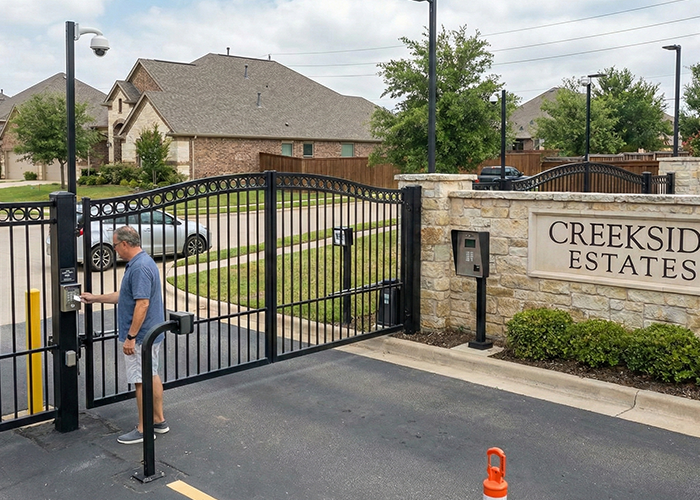
The first layer of HOA security often starts at the boundary of the community. When entry points function properly, the association sets the tone for the environment inside. Visitors, vendors, and residents understand that the space is monitored and intentionally protected.
Gates, Fencing, and Walls
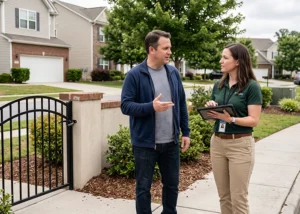
Perimeter structures work best when kept in reliable condition. Even a single gap in a fence or a malfunctioning gate can undermine the entire system. Routine inspections help identify wear, storm damage, or weak areas that need attention. These small checks often prevent larger problems later.
Credential-based access adds a second layer of control. Key fobs, transponders, and keypad codes must be updated regularly so that outdated or compromised credentials do not remain active. Immediate deactivation of former residents’ access helps maintain the integrity of the system.
Visitor Management and Technology
Visitor entry tools have evolved significantly. Systems that log license plates or provide temporary digital codes give residents a convenient way to manage guests while still supporting community safety. Many modern platforms create reliable entry records that assist law enforcement when needed.
Technology only delivers its benefits when residents find it easy to use. Clear instructions, accessible support, and regular system checks encourage consistent compliance. When the process feels smooth, people are more likely to use it correctly.
Technological Deterrents and Monitoring
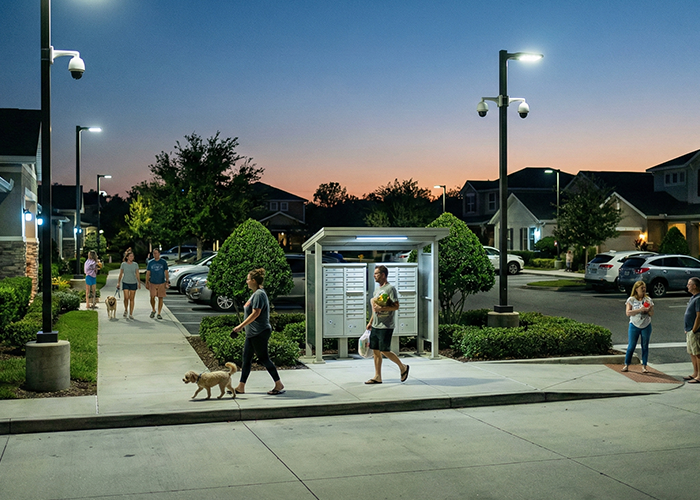
Security cameras and lighting form a structured foundation for monitoring common areas. Their presence alone often influences behavior, but their real value becomes clear when an incident requires review.
Strategic Placement of Surveillance
Thoughtful camera placement ensures coverage of high-traffic and high-value locations. Entry gates, mail centers, and community amenities often require special attention because of the foot traffic they attract. Visible cameras help discourage wrongdoing, while recorded footage becomes a helpful tool for investigations.
Clear internal policies protect both the association and its residents. Only authorized individuals should view or access footage, and retention timelines must follow state and local requirements. Respect for privacy strengthens trust in the system.
Lighting and Visibility
Good lighting remains one of the most practical security tools available. Walkways, parking areas, and amenity spaces benefit from lighting that promotes safety and reduces opportunities for unwanted activity. When lights fail, prompt replacement keeps the community from slipping into avoidable risk.
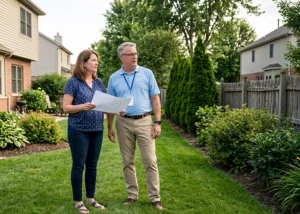
Landscaping ties directly into lighting effectiveness. Overgrown shrubs or branches can create hiding spots or block camera views. A coordinated landscaping and lighting approach maintains the visibility needed for a safer community.
Resident Engagement and Proactive Safety
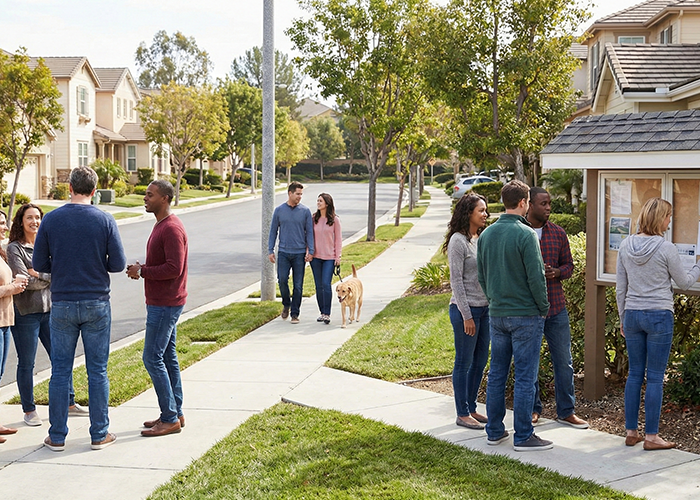
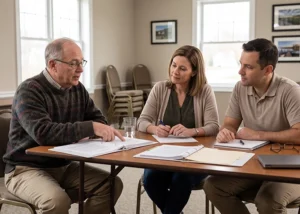
HOA security grows stronger when residents feel comfortable speaking up and staying aware. A community culture that encourages communication often prevents small issues from turning into major concerns.
Encouraging Neighborhood Watch
Neighborhood Watch programs remain one of the most effective ways to involve residents in safety efforts. These programs keep neighbors informed, support timely reporting of suspicious activity, and help law enforcement understand patterns within the community. The HOA’s role often centers on communication support rather than direct oversight.
Community portals, text alert systems, and meeting reminders give these programs structure. Participation feels easier when information flows clearly between residents and the management team. Over time, this shared responsibility fosters a stronger sense of connection.
Enforcement of Safety Rules
Consistent enforcement of established rules strengthens the overall safety plan. Rules related to pets, fire hazards, or speeding may appear routine, yet they play a major role in preventing injuries or property damage. Regular reminders and fair enforcement show that safety expectations apply to everyone.
A community becomes safer when these standards remain predictable. Residents appreciate knowing that the board handles concerns evenly and responds to risks without delay. That predictability reinforces long-term trust.
Security in Amenity and Financial Management
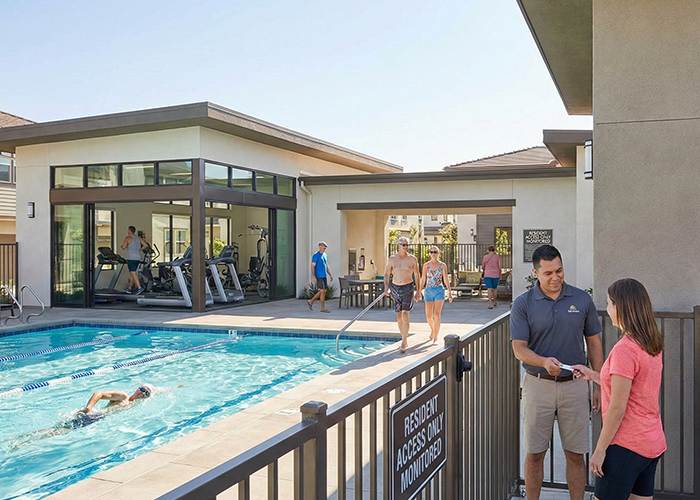
Security does not end at gates and fences. Internal systems, amenities, and financial assets must also be carefully shielded from misuse or unauthorized access.
Amenity Access Control
Shared amenities attract constant activity and require structured oversight. Gyms, pools, and clubhouses function best when access is tied to key cards or similar controlled systems. These tools help track usage and restrict access for residents with outstanding violations or unpaid assessments.
Pool areas deserve particular attention. Local and state regulations often outline rules for fencing, supervision, and emergency equipment. Clear signage and reliable access controls limit unauthorized entry and reduce the risk of accidents in these high-liability zones.
Financial and Data Security
Sensitive information must be protected through secure platforms and responsible governance practices. Management teams should rely on encrypted software rather than personal email accounts or unsecured devices. These steps limit exposure to cyber threats and unauthorized access.
Fraud prevention measures, such as Positive Pay or regular external audits, offer another essential layer of protection. Associations rely on reserve funds to maintain long-term stability, so careful oversight ensures those assets stay secure.
Creating a Safer and More Confident Community
A strong HOA security plan blends prevention, awareness, and consistent management. Technology supports visibility, access controls streamline daily operations, and residents contribute through active communication. Together, these elements reinforce the board’s fiduciary commitment to safety.