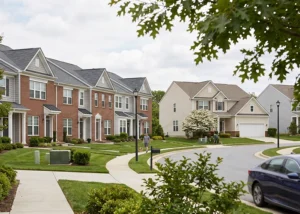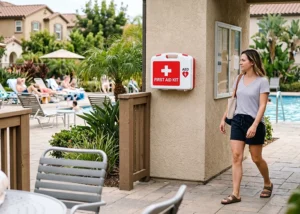
A loose gate, a question about an architectural application, or a concern about a common area can all prompt a homeowner to contact the association.
What They Cover
A clear process for HOA service requests helps residents know where to turn and helps the board or management team keep each issue moving.
An HOA service request is a question, concern, or task a homeowner submits to the association or its management company. Some requests need a repair, while others need information, a review, or help finding the right person to contact.
The term can cover many everyday matters, including:
- Common-area maintenance: A damaged light, irrigation leak, broken gate, or overflowing trash bin.
- Architectural reviews: A request to add a fence, repaint a home, or make another exterior change.
- Community information: A question about rules, meetings, amenities, or governing documents.
- Account support: A question about an assessment balance, payment, or account record.
- Concerns about the community: A report about noise, parking, landscaping, or a possible rule violation.
Not every issue belongs to the HOA. A homeowner may need to contact a utility provider about a service interruption, a local agency about a public road, or emergency services when someone faces immediate danger. The association’s governing documents and community procedures help show which issues fall within its role.
Why a Clear Request Process Matters

A resident who reports a problem wants to know that someone has received it. Even when a repair cannot happen right away, a timely acknowledgment can reduce uncertainty and avoid repeated calls or emails.
A consistent process also helps the board and management team see what needs attention, who is handling it, and what has happened so far. Community Associations Institute (CAI) highlights communication and education as important parts of successful homeowner and association relationships. Clear updates can help prevent a small misunderstanding from growing into a larger frustration.
For the association, written requests and follow-up notes create a useful record. That record can help the team spot repeat problems, track vendor work, and respond consistently when similar concerns arise.
How Homeowners Can Submit a Helpful Request
A useful request gives the association enough detail to understand the issue and decide what to do next. Homeowners do not need to write a long explanation. A few specific details are often more helpful than a broad message such as “the entrance is broken.”
When submitting a request, include:
- The location: Give the building, street, unit, or nearby landmark.
- A clear description: Explain what you saw and when it happened.
- Photos, if useful: A picture may help show damage or the exact area involved.
- Access details: Mention any gate code, schedule, or other information needed for a site visit.
- A way to reach you: Provide a phone number or email in case staff need more detail.
Homeowners should use the association’s designated channel when one is available. That might be a resident portal, management email, phone line, or form. Sending the same request through several channels can create duplicate records and make it harder to tell which update is current.
For an urgent situation, such as a safety hazard or active water leak in a common area, follow the community’s emergency instructions. If there is immediate danger, contact emergency services first. A regular service request system may not be monitored around the clock.
What Happens After a Request Is Submitted?
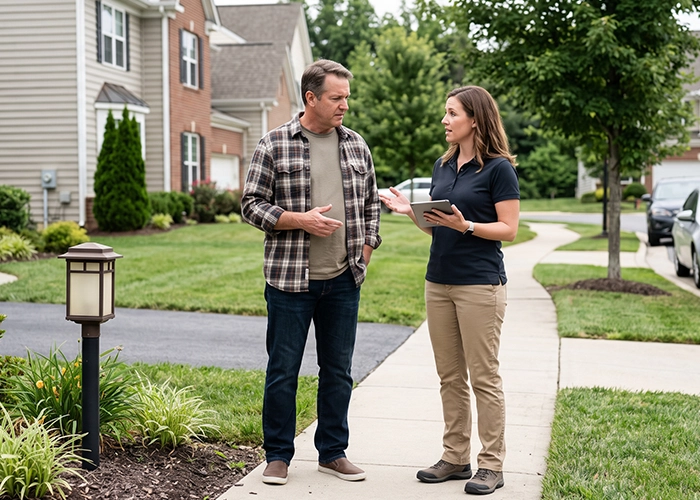
The exact process varies by community, but most requests follow a few practical steps. A written procedure helps residents and staff understand what to expect.
- The request is received. The homeowner gets confirmation that the message arrived, when the system allows.
- The issue is reviewed. Staff determine what the request concerns, where it belongs, and whether more information is needed.
- The request is assigned. The management team may contact a vendor, notify the board, or direct the homeowner to the right resource.
- The work or review moves forward. The association tracks inspections, approvals, scheduling, or other next steps.
- The homeowner receives an update. The association shares the outcome or explains what remains open.
Not every request has the same timeline. A routine question may be answered quickly, while a repair may depend on vendor availability, weather, parts, or board approval. Architectural applications may follow deadlines set by the governing documents or community policy.
How Boards and Managers Can Keep Requests Moving
A dependable process begins with clear ownership. Homeowners should know where to send a request, and staff should know who reviews it and when to involve the board. Requests should not depend on one person remembering a conversation in a hallway or finding an old email.
A tracking system can help the association record the date, location, issue, assigned person, status, and next step. For a smaller community, a shared inbox and organized log may be enough. A larger association may use a management platform with a resident portal and request history.
The tool matters less than consistent use. If residents are asked to submit requests through a portal, the association should check that portal regularly and explain what to do if a homeowner cannot access it. The process should also account for residents who need another way to communicate.
Updates are just as important as intake. If the association is waiting for a vendor, it can say so and provide a reasonable time for the next update. If the request falls outside the HOA’s responsibility, a brief explanation and a useful referral can help the homeowner understand what to do next.
Responding When There Is No Immediate Fix
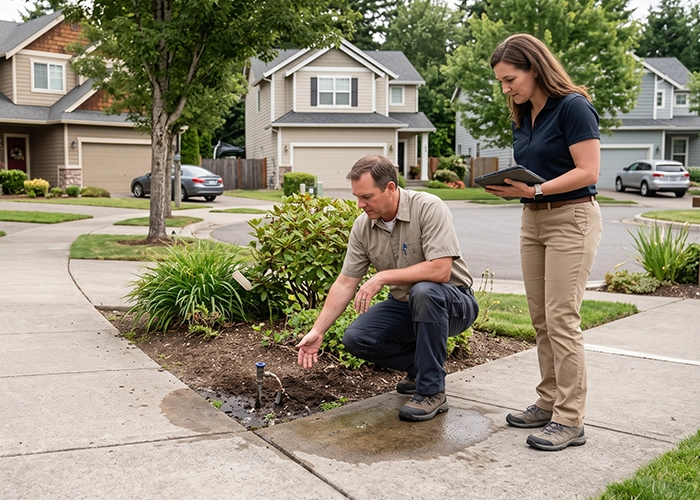
Some requests cannot be resolved at once. A vendor may need to inspect the site, the board may need to review an expense, or the association may need to confirm who is responsible for the repair. A prompt response can still tell the homeowner what the association knows and what will happen next.
A helpful update can include:
- Confirmation that the request was received.
- Any information the association still needs.
- The person or vendor handling the next step.
- A general timeframe for an update, if one is available.
The association should be careful not to promise a completion date it cannot control. It is better to give an honest status and follow up when there is new information. This approach shows respect for the homeowner’s time while keeping expectations realistic.
If a request is denied or falls outside the association’s authority, explain the reason in plain language. The decision may depend on governing documents, an established policy, or the boundary between association and owner responsibility. A calm explanation does not guarantee agreement, but it gives the homeowner a clearer basis for understanding the answer.
Common Request-Handling Problems to Avoid
A request process can lose the homeowner’s trust when messages disappear or decisions seem uneven. The same concern may reach the manager, a board member, and a vendor, yet no one may realize another person has already started working on it.
These habits can make service requests harder to resolve:
- Leaving requests without acknowledgment: The homeowner may assume the message was missed.
- Giving no status update: A delay feels longer when the resident does not know what is happening.
- Using unclear channels: Homeowners may not know whether to call, email, or use a portal.
- Keeping no written record: Staff may repeat work or lose important details during a handoff.
- Treating similar requests differently: Inconsistent responses can raise concerns about fairness.
- Closing a request too soon: A task should not be marked complete before the work or communication is finished.
CAI’s customer-service guidance also points to practical communication, active listening, and respectful engagement as ways to improve homeowner interactions. Those habits are useful when a request is simple, and even more so when a resident is upset.
Using Service Requests to Improve the Community
A request log can reveal patterns that may not be obvious when each message is handled alone. Several reports about a dark walkway, a recurring irrigation leak, or a gate that fails after rain may point to a larger maintenance issue.
Boards and managers can review request trends during regular operations or planning discussions. Repeated problems may call for a site inspection, a vendor review, a change to a maintenance schedule, or a budget conversation. A single request does not always show the full picture, but repeated reports can help the association decide where to look.
Homeowners also benefit when the association closes the loop. A short note explaining that a repair is complete, an application has been reviewed, or a concern has been referred to the proper party lets the resident know the request reached an outcome. CAI’s guidance on association responsibilities encourages homeowners and leaders to communicate and take part in community life. A responsive request process gives both sides a practical way to do that.
Every Request Is an Opportunity to Build Trust
HOA service requests are a routine part of community life, but the way an association handles them can shape how residents view the board and management team.
Clear instructions, steady updates, and thoughtful follow-through help people feel heard and help the community address concerns with care.
Ready to Build a More Responsive, Connected Community? Let’s talk about how we can help your community move forward. Call 401-414-5130 or visit Harbour Master Management Group to connect with our team today.
Related Articles:
- How to Enforce HOA Fine Policies Fairly
- What Are HOA Rules and Regulations? A Clear Guide for Homeowners
- Common HOA Complaints and How to Resolve Them