
Every homeowners association depends on vendors to keep the community clean, safe, and well maintained.
Why a Clear Vendor Payment Process Matters
A clear process for HOA vendor payments helps those vendors get paid on time while protecting the association’s money and financial records.
Vendor payments may seem like a routine office task, but each payment affects the association’s cash flow, budget, and working relationships. Without a standard process, invoices can be lost, approved twice, paid late, or charged to the wrong account.
A clear payment process gives the board a reliable way to confirm that work was approved and completed. It also creates a record showing where the association’s money went and why the expense was necessary.
Consistency matters as much as speed. When the same review steps are followed for every invoice, board members can make informed decisions without delaying valid payments.
What Counts as a Vendor Payment?
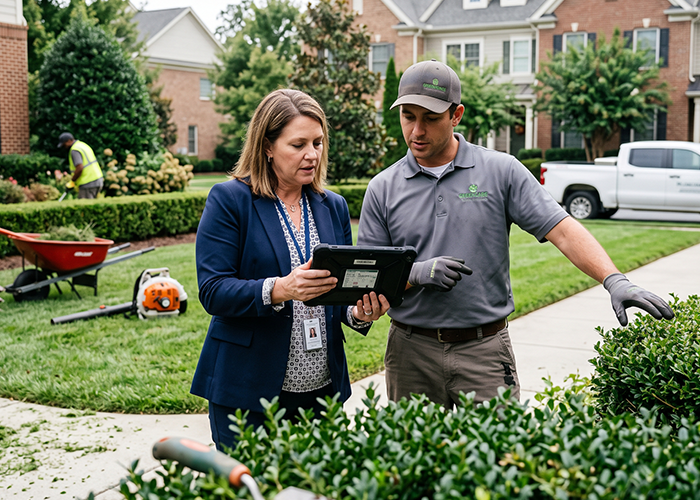
An HOA vendor payment is any payment made to a person or company that provides goods or services to the association. Some vendors work under annual contracts, while others may be hired for a single repair or project.
Common HOA vendors include:
- Landscaping companies
- Pool maintenance providers
- Security services
- Cleaning companies
- Plumbers and electricians
- Roofing contractors
- Insurance providers
- Attorneys and accountants
- Pest control companies
- Waste collection services
- Reserve study specialists
- Community management companies
Not every expense follows the same schedule. A landscaper may submit a set monthly invoice, while an emergency plumber may bill the association after one service call.
The payment process should be flexible enough to handle both types of expenses. Still, every payment should have enough supporting information to explain who was paid, what was purchased, and who approved it.
Build a Standard Invoice Process
A standard invoice process begins before the invoice arrives. Vendors should know where to send their bills, what information to include, and when payments are normally issued.
If invoices are sent to personal email addresses, handed to individual board members, or left at the clubhouse, they can easily be overlooked. A dedicated email address or vendor portal keeps invoices in one place and makes them easier to track.
Each invoice should include:
- The vendor’s legal business name
- A unique invoice number
- The invoice date
- A clear description of the work
- The service date or billing period
- The amount due
- The payment due date
- Applicable taxes or added fees
- The association’s name and property
- A purchase order or contract reference, when used
Invoices with missing details should be returned for correction. Paying an unclear invoice may save a few minutes today, but it can create a much larger problem during reconciliation or an audit.
Match Each Invoice to the Approved Work

An invoice should not be approved simply because the vendor is familiar. The charge should be compared with the contract, proposal, work order, or other document that authorized the service.
For routine work, the reviewer should confirm that the price matches the contract. Any fuel charges, material costs, overtime fees, or annual increases should also follow the terms of the agreement.
Project invoices may require a closer review. The board or community manager may need to confirm that a project milestone was reached before a progress payment is released.
Before approving an invoice, ask:
- Was the work authorized?
- Was the service completed?
- Does the amount match the agreed price?
- Were any extra charges approved?
- Is this invoice a duplicate?
- Was the expense included in the budget?
- Does the invoice require board approval?
This review does not need to become a long investigation. It simply gives the association a chance to catch errors before money leaves the bank account.
Confirm That the Work Was Completed
An invoice tells the association what a vendor says was done. Someone who knows the property should confirm that the service was actually provided.
For landscaping, this may be the community manager or a landscape committee member. For a roof repair, confirmation might come from the manager, project engineer, or board member assigned to the project.
Photos, inspection reports, service tickets, and completion notices can support the review. These records are especially helpful when the work is not easy to see or when a project includes several payment stages.
If the work is incomplete or does not meet the contract terms, the invoice should be placed on hold. The vendor should receive a clear explanation so the issue can be corrected without unnecessary conflict.
Set Clear Approval Levels

Not every invoice needs to wait for a full board discussion. A written approval policy can explain which expenses may be paid through normal operations and which ones require added review.
For example, the community manager may be allowed to approve recurring expenses that are included in the annual budget. Larger repairs, unplanned expenses, or reserve projects may require approval from the treasurer, board president, or full board.
Approval levels may be based on:
- The dollar amount
- Whether the expense was budgeted
- The type of fund being used
- Whether the work is covered by a contract
- Whether the expense involves an emergency
- The requirements in the governing documents
- Applicable state laws
The policy should match the association’s governing documents and any legal requirements that apply in its state. When the requirements are unclear, the board should consult its attorney or accountant.
Separate Financial Duties
One person should not control every stage of HOA accounts payable. When possible, the person who enters a new vendor should not be the only person who approves the invoice and releases the payment.
This separation creates a simple check on errors and improper activity. It also protects honest board members and staff from questions about payments that were handled without review.
A practical division of duties may look like this:
- The manager receives and reviews the invoice.
- The board member or project lead confirms the work.
- An authorized person approves the expense.
- Accounting schedules the payment.
- A separate reviewer checks the bank activity.
Smaller associations may not have enough people for a full separation of duties. In that case, dual approvals and regular bank statement reviews can provide added oversight.
Create a Predictable Payment Schedule

Vendors value consistency. If the association processes payments on set days each month, vendors know when to expect payment and board members know when approvals are due.
A regular schedule also reduces last-minute requests. Instead of approving individual invoices every day, the board or manager can review a prepared payment list at planned intervals.
The schedule should still leave room for true emergencies. A major water leak should not wait two weeks because the next payment run falls later in the month.
Late payments can harm otherwise strong vendor relationships. They may also lead to added fees, delayed service, or less favorable contract terms in the future.
Use Electronic Payments With Care
Electronic payments can reduce mailing delays and simplify recordkeeping. However, convenience should not replace verification.
Changes to a vendor’s bank account should be treated with caution. A request sent by email may look legitimate even when a vendor’s email account has been compromised.
The FBI warns that business email compromise scams often involve messages that appear to come from a known company or vendor. The message may ask the recipient to send an invoice payment to a new bank account.
When banking details change:
- Do not rely only on the email request.
- Call a known vendor contact using a trusted phone number.
- Confirm the change with someone authorized by the vendor.
- Document who verified the information and when.
- Require a second approval before updating payment details.
- Review the first payment after the change.
Do not use the phone number listed in the change request until it has been verified through another source. A few minutes of additional review can prevent a serious financial loss.
Watch for Duplicate and Altered Invoices

Duplicate invoices are not always a sign of fraud. A vendor may resend an unpaid bill, or the same invoice may reach both the manager and treasurer.
Still, duplicate payments can be difficult to recover. Accounting software should be set to flag repeated invoice numbers, vendors, amounts, and service dates.
Altered invoices may be harder to identify. Warning signs include a sudden change in formatting, a new mailing address, unfamiliar contact information, unusual payment instructions, or an urgent request to avoid the normal process.
Any unexpected change deserves a closer look. The invoice should be compared with earlier bills, the contract, and the vendor information already on file.
Keep Vendor Records Current
Complete vendor records make payments easier to process and support year-end reporting. The association should collect required information before the first payment is due.
The vendor file may include:
- A completed Form W-9
- A signed contract or proposal
- Insurance certificates
- Business licenses
- Contact information
- Payment instructions
- Board approval records
- Emergency contact details
- Contract renewal dates
Form W-9 provides the vendor’s legal name and taxpayer identification information. Depending on the vendor, payment type, and current tax rules, the association may also need to prepare an information return such as Form 1099-NEC.
Tax requirements can change. The association’s accountant should confirm which vendors and payments must be reported instead of relying on an old checklist or a fixed dollar amount from a prior year.
Record Each Expense in the Right Account
Paying an invoice is only part of the process. The expense must also be recorded in the correct general ledger account and assigned to the right fund.
A pool repair should not be placed under landscaping simply because both expenses relate to property maintenance. Incorrect coding can make financial reports misleading and may affect future budgets.
Boards should also distinguish between operating expenses and reserve expenses. Routine maintenance is generally handled differently from a major repair or replacement funded through reserves.
Clear invoice descriptions help the accountant make the correct choice. When an expense could fit more than one category, the manager and accountant should discuss it before the monthly financial statements are prepared.
Maintain a Complete Payment Trail
Every payment should leave a clear trail from the original request to the bank transaction. This makes financial reviews easier and gives future board members useful context.
A complete payment record may include:
- The original invoice
- The related contract or proposal
- Proof that the work was completed
- The approval record
- A copy or confirmation of the payment
- Notes about any dispute or adjustment
- The account and fund used for the expense
Records should be stored in a secure, organized system. Important documents should not exist only in a board member’s personal email account or on one person’s computer.
Retention requirements vary by state and document type. The board should follow its record retention policy and obtain legal or accounting guidance when needed.
Review Payments During Each Financial Cycle
Board oversight should continue after payments are issued. Monthly financial reports allow directors to compare actual spending with the approved budget and spot unusual activity.
The board should review the check register, electronic payment report, bank statements, budget comparison, and general ledger details. Large or unfamiliar charges should be discussed while the information is still easy to find.
This review can reveal:
- Payments above the approved amount
- Expenses posted to the wrong account
- Unexpected price increases
- Duplicate payments
- Vendors that are billing more often than expected
- Projects that are exceeding their budgets
- Checks that have not cleared
- Payments made outside the normal process
Board members do not need to perform the accountant’s job. Their role is to ask reasonable questions and confirm that the reports match the decisions made by the association.
Plan for Emergency Vendor Payments
Emergencies rarely follow the regular invoice schedule. Broken water lines, storm damage, electrical problems, and failed access systems may require immediate service.
The association should have a written emergency spending policy before a problem occurs. It should identify who may authorize the work, any spending limit, and how the board will be informed.
Emergency spending should still be documented. The manager should obtain an invoice, note why the service was urgent, record who approved it, and report the payment to the board.
The goal is to move quickly without losing accountability. A short written record is far better than trying to reconstruct the event several months later.
Handle Payment Disputes Professionally
Not every invoice will be correct. A vendor may charge for work outside the contract, bill for incomplete service, or apply a price increase that was never approved.
The association should contact the vendor promptly and explain which part of the invoice is being questioned. Supporting documents, photos, and contract terms can help both sides resolve the issue.
If part of the invoice is valid, the association may be able to pay the undisputed amount while the remaining charge is reviewed. The contract and legal guidance should be checked before using this approach.
Disputes should remain factual. Clear communication protects the working relationship and gives the vendor a fair chance to explain or correct the charge.
Measure Vendor Performance Beyond Payment
Payment records can tell the board more than how much was spent. They may reveal repeat repairs, frequent emergency charges, rising material costs, or services that no longer fit the community’s needs.
These details can support better contract renewal decisions. A vendor that charges slightly more may still provide better value if the work is dependable and follow-up repairs are rare.
The board should review performance, communication, invoice accuracy, response times, and total cost. Price matters, but it should not be considered alone.
Protect the Community With Better Payment Practices
A reliable vendor payment process helps the HOA protect its money, maintain accurate records, and build stronger working relationships.
When invoices are reviewed carefully and payments are handled consistently, the community receives better financial oversight without creating needless delays.
Effective HOA management starts with a solid financial foundation. Harbour Master Management Group helps boards stay organized, maintain financial oversight, and make informed decisions that benefit the community. Call 401-414-5130 or connect with us online to learn more.
Related Articles:
- HOA Resolutions: A Practical Guide for Community Boards
- What Are HOA Assessments?
- HOA Board VS HOA Management Duties: What Are The Differences?