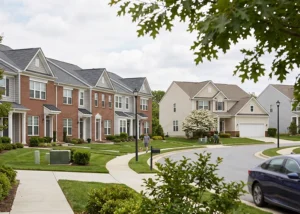
Lawn decoration regulations help maintain a community’s appearance while allowing homeowners to add personality to their outdoor spaces. Understanding these rules can prevent disputes, avoid violations, and help residents enjoy their properties without unexpected issues.
Understanding Lawn Decoration Regulations
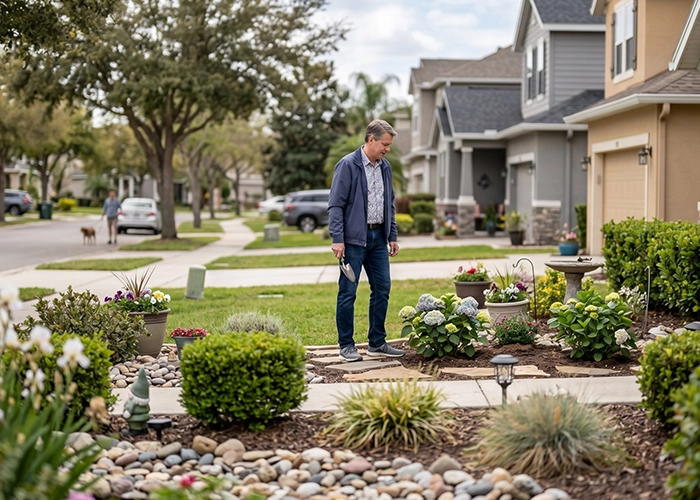
Lawn decoration regulations are standards established by homeowners associations to manage the appearance of front yards, side yards, and other visible outdoor areas. These rules are usually outlined in the community’s governing documents, architectural guidelines, or design standards.
The goal is not to eliminate personal expression. Instead, these regulations help create a consistent appearance throughout the neighborhood. A well-maintained and visually cohesive community often contributes to stronger property values and greater curb appeal.
Most associations understand that residents want to personalize their homes. The challenge lies in balancing individual preferences with the collective interests of the community. Lawn decoration regulations help achieve that balance.
Why HOAs Establish Rules for Lawn Decorations
At first glance, lawn decorations may seem like a personal matter. However, what one homeowner considers attractive may be viewed differently by neighbors. Without clear guidelines, visual inconsistencies can quickly develop throughout the community.
HOAs establish lawn decoration regulations for several reasons:
- To preserve community aesthetics
- To maintain property values
- To reduce disputes among neighbors
- To promote safety and accessibility
- To prevent excessive clutter in visible areas
These objectives are often supported by governing documents that give the board authority to regulate exterior modifications and visible property features.
When applied fairly and consistently, these regulations create expectations that benefit the entire community.
Common Lawn Decorations Covered by HOA Rules
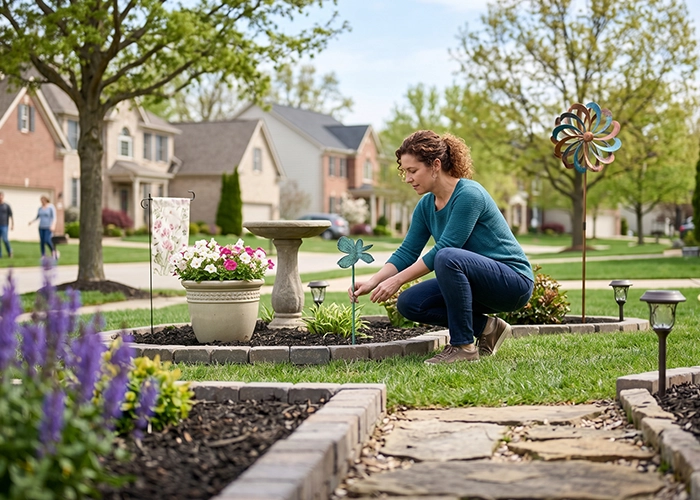
Many homeowners assume regulations only apply to large structures or major landscaping projects. In reality, numerous decorative items may fall under HOA oversight.
Common examples include:
Yard Statues and Sculptures
Decorative statues, fountains, and sculptures are frequently addressed in HOA guidelines. Associations may regulate size, placement, quantity, or design style.
Large installations that dominate the landscape are often subject to stricter review. Smaller decorative accents may be allowed without prior approval, depending on community standards.
Garden Flags and Signs
Garden flags are popular because they allow homeowners to celebrate holidays, sports teams, or seasonal themes. Some associations permit them with reasonable limitations.
Rules may address:
- Maximum size
- Number of flags allowed
- Placement locations
- Display duration
Political signs and commercial signage are often governed by separate regulations.
Decorative Lighting
Outdoor lighting can enhance both beauty and security. However, excessive lighting may create issues for neighboring properties.
HOAs commonly regulate:
- Brightness levels
- Lighting colors
- Placement
- Operating hours
The objective is to prevent nuisance conditions while allowing attractive landscape lighting.
Lawn Ornaments
Items such as windmills, decorative animals, pinwheels, and novelty decorations may also fall under lawn decoration regulations.
Some communities limit the total number of ornaments that can be displayed. Others focus primarily on size and visibility from the street.
Seasonal and Holiday Decoration Guidelines
Seasonal decorations are among the most common sources of homeowner questions. Most associations recognize the importance of celebrating holidays and special occasions.
At the same time, boards typically establish reasonable expectations regarding display periods.
Common Holiday Decoration Timeframes
Many communities allow decorations to be displayed:
- A specified number of days before a holiday
- Throughout the holiday season
- A limited number of days after the holiday ends
These timelines help prevent decorations from remaining in place indefinitely.
For example, holiday lights displayed in December may need to be removed within a few weeks after the season concludes. Similar standards often apply to Halloween, Easter, Independence Day, and other celebrations.
Religious and Cultural Displays
Associations should approach religious and cultural displays carefully while remaining consistent with applicable laws and governing documents.
Many communities accommodate a wide variety of traditions while maintaining reasonable standards regarding placement, safety, and duration.
Clear policies can help avoid confusion and ensure equal treatment for all residents.
Architectural Review and Approval Requirements
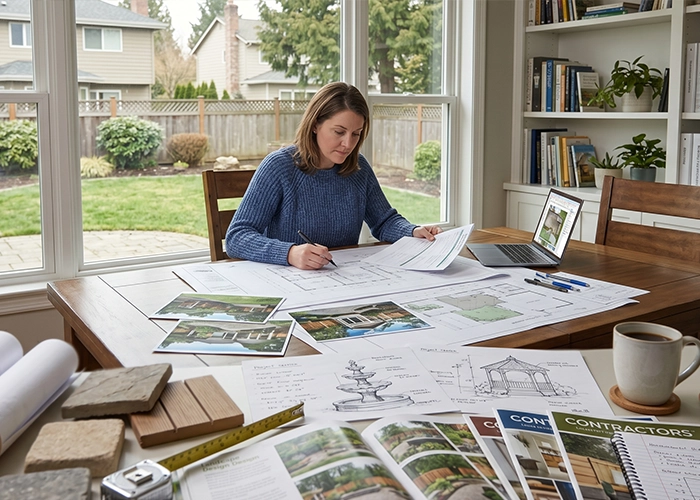
Some lawn decorations require architectural review before installation. This process allows the association to evaluate proposed additions and determine whether they comply with established standards.
Homeowners are often required to seek approval for:
- Permanent fountains
- Large statues
- Decorative walls
- Gazebos
- Specialty landscape features
- Extensive outdoor lighting systems
The review process varies from one association to another. Some committees provide decisions within days, while others may require several weeks.
Submitting complete information can help avoid delays. Photos, dimensions, materials, and placement diagrams are commonly requested.
Obtaining approval before installation is always preferable to correcting a violation afterward.
Striking a Balance Between Personal Expression and Community Standards
One of the most challenging aspects of lawn decoration regulations involves finding the right balance between individual creativity and neighborhood consistency.
Homeowners often want their property to reflect their personality. Associations, meanwhile, must consider how visible changes affect the overall appearance of the community.
Successful communities recognize that both interests matter.
Rather than imposing unnecessary restrictions, effective boards focus on standards that address legitimate concerns. They encourage tasteful personalization while preventing conditions that could negatively affect neighboring properties.
Open communication also plays a key role. When homeowners understand the reasons behind regulations, compliance tends to improve naturally.
How HOA Boards Can Create Fair Lawn Decoration Policies

Well-written policies are easier for everyone to follow. Ambiguous language often leads to misunderstandings, inconsistent enforcement, and resident frustration.
Boards should consider several best practices when developing lawn decoration regulations.
Define Acceptable Decorations Clearly
Vague terms such as “appropriate” or “reasonable” can create confusion. Specific guidelines help homeowners understand expectations.
Clear policies may address:
- Maximum sizes
- Quantity limits
- Placement restrictions
- Seasonal display periods
The more precise the policy, the easier it becomes to enforce fairly.
Apply Rules Consistently
Consistency is one of the most important aspects of HOA governance.
When similar situations receive different treatment, homeowners may perceive the process as unfair. Consistent enforcement helps build trust and credibility.
Board members should follow established procedures regardless of personal opinions about a particular decoration.
Review Policies Periodically
Community preferences evolve over time. Decorations that were uncommon a decade ago may now be widely accepted.
Periodic policy reviews allow associations to adjust standards when appropriate. This helps regulations remain practical and relevant.
What Happens When a Homeowner Violates Lawn Decoration Regulations?
Most associations follow a structured enforcement process when violations occur.
Typical steps include:
- Identification of the issue
- Courtesy notice or warning
- Opportunity to correct the violation
- Formal violation notice if necessary
- Hearing or appeal process when applicable
- Potential fines or enforcement actions
Many issues are resolved during the early stages. Homeowners are often willing to cooperate once they understand the applicable requirements.
The goal of enforcement should always be compliance rather than punishment.
Professional communication and reasonable timelines often lead to better outcomes for everyone involved.
Tips for Homeowners Before Adding New Lawn Decorations
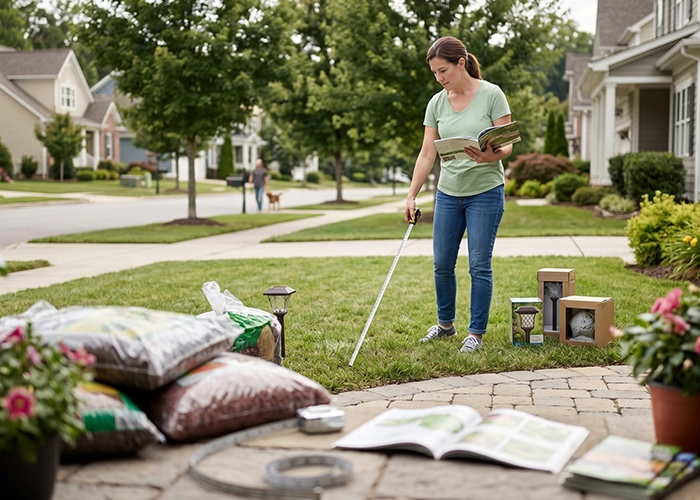
A little preparation can prevent significant headaches later.
Before installing a new decoration, homeowners should consider the following:
- Review the governing documents and design guidelines.
- Verify whether architectural approval is required.
- Check size and placement restrictions.
- Consider visibility from neighboring properties.
- Confirm seasonal display requirements if applicable.
- Contact management with questions before making purchases.
These simple steps can save time and reduce the risk of violations.
Many homeowners find that a brief conversation with the management company or architectural review committee provides clarity before any investment is made.
The Role of Professional HOA Management
Managing architectural standards and lawn decoration regulations can become time-consuming for volunteer boards.
Professional HOA management companies help communities administer these responsibilities efficiently and consistently. They assist with policy communication, architectural review coordination, homeowner education, and enforcement procedures.
Professional guidance can also help boards update outdated standards and address new issues as community preferences evolve.
When regulations are communicated clearly and enforced fairly, both homeowners and boards benefit from a smoother experience.
Creating Attractive Communities Without Overregulation
The most successful communities avoid extremes. Overly restrictive regulations can frustrate homeowners, while minimal standards may lead to visual inconsistency and disputes.
Thoughtful lawn decoration regulations focus on maintaining community appeal while allowing residents to express themselves in reasonable ways.
A balanced approach encourages homeowner satisfaction, supports property values, and helps create a welcoming environment that residents are proud to call home.
Keeping Lawn Decoration Regulations Practical and Fair
Lawn decoration regulations work best when they are clear, reasonable, and consistently applied. Homeowners who understand the rules can enjoy decorating their properties while contributing to a cohesive community appearance.
Harbour Master Management can help your board develop practical guidelines, streamline architectural review processes, and communicate expectations effectively. Contact our team today to learn how our services can support your community’s long-term success.
Related Articles: