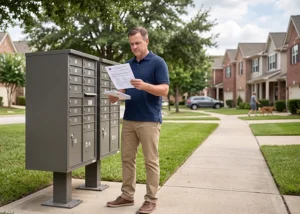
Most people hear about HOA dues at closing, then think about them again when the first bill shows up. A little clarity goes a long way, especially if you are comparing neighborhoods or trying to set a realistic monthly budget.
HOA Dues Basics
HOA dues are the regular payments owners make to support the shared parts of a community and the services tied to them. A set schedule is typical, such as monthly, quarterly, or annually, depending on the association’s structure and governing documents.
The payment is usually separate from the mortgage, even though it can feel like part of the same monthly housing cost. A budget gets built around what the community needs to run, and those dues help cover it.
Where the Money Goes

The simplest way to picture HOA dues is as the community’s operating fuel. The lights stay on, the landscaping stays under control, and the vendors who keep things running get paid.
Common line items often include items like these:
- Landscaping and common-area maintenance
- Insurance for shared property and liability
- Utilities for common areas, such as water for irrigation or electricity for lighting
- Management services and administrative costs
- Pool, gym, gate, elevator, or clubhouse upkeep, when those features exist
A reserve account is also funded in many communities, because large repairs do not wait for convenient timing. Money set aside over time can reduce the need for sudden financial surprises later.
Budget Season and Board Decisions
A real budget sits behind every dues amount, even when it does not feel that way. The board typically reviews past spending, current contracts, and expected costs for the year ahead, then sets a plan to match.
A fair budget process also includes notice and transparency. Meeting minutes, proposed budgets, and year-end financials help owners see what is being funded and why.
In well-run communities, questions are expected and welcomed. Better communication tends to lower conflict, even when the numbers are not anyone’s favorite.
Reserves and Long-Term Planning

Short-term bills are only part of the story. Roofs wear out, asphalt cracks, paint fades, and mechanical systems age, whether anyone feels ready for the cost or not.
Reserve funding helps spread those bigger costs over time. That approach often feels more reasonable than asking every owner for a large amount all at once.
A reserve study may be used to estimate future repair timelines and costs. Even without a formal study, planning still matters, because deferred maintenance has a habit of turning into emergency work.
Dues Increases and What Drives Them
An increase in HOA dues is usually tied to higher costs, not a sudden change in attitude. Insurance premiums can rise, vendor pricing can shift, and repairs can become more expensive as materials and labor costs move.
Aging communities often see higher maintenance needs, which can push dues upward over time. Newer communities can also see increases when initial developer budgets turn out to be unrealistic once owners take control.
A steady, measured approach is typically easier for owners to handle than years of flat dues followed by a sharp jump. Consistency tends to work better for everyone.
When Extra Charges Show Up

Some owners use the term HOA fees as a catch-all, but not every charge works the same way. Regular dues are planned and recurring, while other charges are tied to specific events or decisions.
Your documents may refer to periodic charges as HOA assessments, and the language can vary by state and by association type. The practical meaning is still the same for most owners: a required payment that supports shared community obligations.
One-time charges are sometimes used for major projects or urgent repairs when reserves are not enough. Those situations can be stressful, which is why strong reserve planning and clear communication matter so much.
Late Payments and the Real-World Consequences
Missed HOA dues can lead to late charges, interest, and collection steps, depending on the association’s rules and state law. A delinquency can also create headaches during a refinance or sale, since unpaid balances often must be resolved before a transaction closes.
A lien may be filed in some cases, and legal action can follow if a balance remains unpaid for long enough. The details vary widely, so the governing documents and local requirements matter.
A conversation early in the process is often the smartest move. Payment plans and hardship options exist in many communities, but they usually require the owner to speak up before the problem grows.
Questions Worth Asking Before You Buy

A clean listing photo will not tell you whether a community is financially healthy. The paperwork and the numbers usually tell the real story.
Useful questions often include these:
- What does the current dues amount cover, and what does it not cover?
- How much is in reserves, and has a reserve study been done?
- Are there major projects planned in the next one to three years?
- What is the delinquency rate, and how are collections handled?
- Have dues increased often, and what were the reasons?
Those answers can help you estimate your true monthly cost and your risk of surprise expenses. The goal is not perfection, just fewer unknowns.
Keeping Costs Fair Without Cutting Corners
A community does not need to choose between quality and affordability, but tradeoffs do exist. Competitive bidding, vendor performance reviews, and routine preventative maintenance can protect the budget over time.
Clear standards also help. When owners know what maintenance is covered, what is owner responsibility, and what the association’s service level actually is, frustration tends to drop.
Consistency matters here as well. A thoughtful plan, reviewed every year, usually beats last-minute decisions made under pressure.
The Money That Protects Your Neighborhood

HOA dues are not just another bill, even though they can feel that way. They are the practical tool that keeps shared property maintained, obligations met, and the community running as a single unit. With the right information, the payment becomes easier to evaluate and far less mysterious.
Looking for professional help in handling HOA dues? Harbour Master Management offers professional HOA management services tailored to your needs. Call us at 401-414- 5130 or contact us online to get started!
Related Articles
- Managing Organized Sports in HOAs: Building Fitness, Safety, and Community
- HOA Board VS HOA Management Duties: What Are The Differences?
- HOA On-site Manager Guide: Understanding the Local Advantage