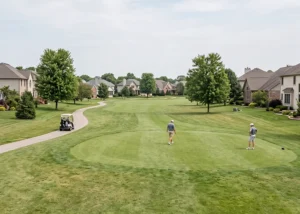
Golf clubs in HOAs offer more than a place to play a round close to home. They can bring neighbors together, shape the look of a community, and create costs that deserve careful planning.
How Golf Clubs in HOAs Work
Understanding who owns the course, who pays for it, and how it runs helps boards and residents avoid surprises over time.
A course can sit within a neighborhood without belonging to its homeowners association. The HOA might own it, a separate club might hold the property, or an outside company might control it. Each arrangement affects who makes decisions and who covers the bills.
Ownership and daily management can also differ. An HOA may own the course but hire a golf operator to run it. That operator’s duties should be clear, along with the tasks that remain with the board and association manager.
Before answering questions about access or fees, review the deeds, governing documents, and club agreements. A familiar club name does not establish an owner’s rights. When the language is unclear, the board should seek legal guidance on the documents and state law that apply.
Why Residents Value Golf Communities

For people who enjoy golf, living near a course can make regular play easier. A short practice session may fit into an evening, while a weekend round may require less travel. Lessons and social games can also help new neighbors get to know one another.
Other residents may value the open views more than the sport. A clubhouse can offer another place to gather when access and event rules allow it. The club’s appeal often rests on how well it fits different needs across the neighborhood.
Still, boards should avoid promising that golf will raise every home’s value. Local demand, fees, course condition, and the homes themselves all matter. A project should have a clear purpose and cost estimate rather than rely on a broad promise about resale prices.
Membership and Fees Should be Clear
Owning a home in a golf community does not always include golf membership. Some arrangements require payments tied to ownership, while others make joining the club optional. An owner who chooses not to play may still owe a required charge under the applicable documents.
Give residents a fee sheet that explains what each payment covers. Clubhouse access may not include rounds, cart use, lessons, or guest visits. Avoid describing services as included unless the written terms support that description.
A helpful fee guide identifies:
- HOA assessments and any separate club dues.
- Initiation or transfer charges, where applicable.
- Fees for carts, guests, and individual rounds.
- Spending minimums or other required payments.
- The contact for questions about each charge.
Save for Repairs Before They Become Urgent
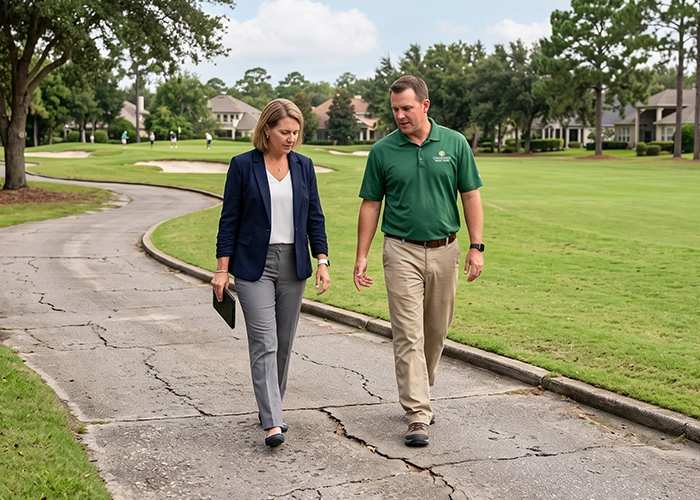
Routine bills are only part of the cost of caring for a golf property. Paths, pumps, roofs, and other assets may need major work over time. Waiting until something fails can leave the board with fewer options and a larger funding gap.
A qualified reserve professional can help identify eligible assets, assess future needs, and develop a funding plan. Golf systems may also require specialist input. Keep the study current as conditions, costs, and project timing change.
Explain reserve contributions through the work they support. Owners can better understand money set aside for a planned roof replacement than a vague savings request. Sound planning improves preparation, though it cannot guarantee that a special assessment will never be needed.
Support Course Care With Clear Expectations
The board should agree on service goals with the golf team and provide resources to meet them. The superintendent brings the knowledge needed to care for turf and related systems. Directors can ask questions and review results without giving crews separate instructions during a round.
Share a maintenance calendar when planned work will affect play. Members need to know which areas will close and how bookings will work. A short explanation of the purpose can make temporary disruption easier to accept.
Water use also deserves attention. USGA and GCSAA resources can help specialists develop plans suited to local conditions. Boards should ask about leaks, irrigation performance, and practical ways to reduce waste while meeting the course’s needs.
Keep Access Fair During Busy Periods

An open calendar does not always mean members can play when they want. Quiet weekday afternoons may offer plenty of space while weekend mornings fill quickly. Review demand by day and time before deciding that the current booking process works well.
Clear rules should explain booking windows, guest reservations, cancellations, and no-shows. Make cancellation easy so another player can use the opening. Any fees or restrictions should follow the club’s approved terms and a consistent process.
Tournaments need careful scheduling, too. Share major closures early and consider their effect on regular play, parking, and nearby homes. A successful event should fit the club’s goals without leaving members uncertain about the access their payments provide.
Address Concerns Along the Fairway
Living beside a course can bring questions about early mowing, cart traffic, and stray balls. Give residents one clear place to report problems, with dates, locations, and relevant details. Staff can then route the concern to the party responsible for that area.
Reports of damage deserve a prompt, factual response. Responsibility depends on the event, governing arrangements, and applicable law. Avoid promising payment or denying liability before the right review, and seek a professional assessment when repeated incidents suggest a broader concern.
Course access needs clear limits as well. A cart path is not automatically a walking trail, even when the course looks empty. Explain approved routes and hours so residents do not have to guess where they may walk or take pets.
Make New Players Feel Welcome

A club can feel unfamiliar to someone who has never played. Beginner lessons and short social games can give residents a comfortable place to start without committing to a full round.
Explain what each session costs, how long it lasts, and whether equipment is available. Those small details can help someone accept an invitation instead of putting it off.
Review event times as well as attendance. A weekday morning program may suit some members while excluding people who work, so ask about preferred times before assuming there is little interest.
Give Residents Useful Updates
A short, timely update can prevent a simple issue from turning into a lasting frustration. Tell residents what changed, why it matters, and where they can ask questions.
When a repair takes longer than expected, explain the next known step instead of promising a date that staff cannot confirm. Owners may still dislike the delay, but they should not have to chase several people for an answer.
Keep current fees, rules, and schedules in one main location, with other ways to get help for people who do not use an app. Remove outdated notices so staff and members work from the same information. Close the loop when a reported issue is resolved, since a completed work order means little to a resident who never hears about the result.
Match Oversight to the Club’s Structure
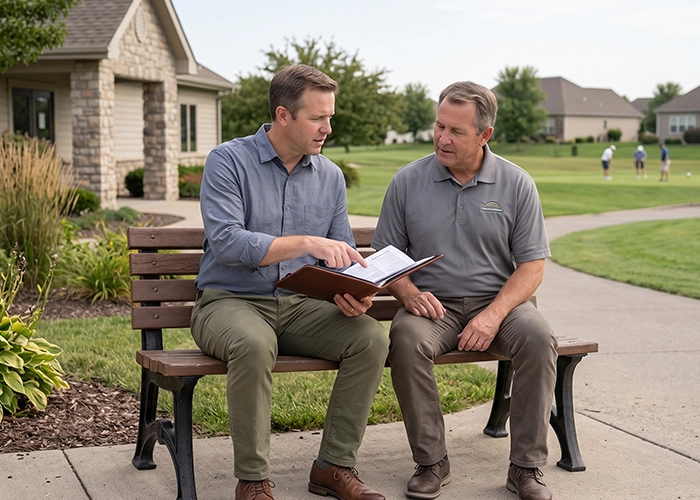
An association manager and a golf operator may handle different parts of the work. Their agreements should name who manages staff, approves purchases, keeps records, and responds to residents. Clear duties prevent tasks from falling between the two offices.
If the board uses a golf committee, give it a written role and limits. Volunteers can gather feedback and suggest improvements without taking over daily operations. Include views from residents who do not play when decisions affect shared costs or neighborhood life.
Ask for brief reports that show financial results, open concerns, and progress on planned work. Keep contracts and supporting records accessible to authorized people. A new board should be able to understand current commitments without rebuilding the club’s history from scattered emails.
Review Major Changes Before Making Promises
A proposed course purchase, large renovation, or change in ownership can raise strong feelings. Start by defining the problem the proposal would solve. Then compare its full costs and likely effects with other feasible options.
A sound review generally follows these steps:
- Confirm legal authority and required approvals.
- Obtain relevant financial, property, and specialist reviews.
- Compare funding and operating options.
- Explain the proposal and answer material questions.
- Complete the required process before committing.
A low purchase price does not reveal the cost of running a course or repairing neglected systems. Likewise, a closure does not mean the land can automatically become a park or housing. Local law, land-use rules, and private restrictions require review before the board describes what happens next.
Help Buyers Understand the Commitment
Buyers should receive a clear picture of both association costs and club terms before closing. A listing that mentions golf may not explain whether membership is required, optional, or transferable. Written confirmation helps prevent a seller’s benefit from becoming a buyer’s mistaken expectation.
Encourage questions about current dues, approved assessments, major planned repairs, and access limits. Buyers should also ask what steps they must complete to use the club after closing. These details can affect whether the community fits a household’s budget and routine.
A visit during normal club activity can provide useful context. Early work, weekend traffic, and evening events may affect homes differently depending on their location. Buyers should explore permitted areas and ask specific questions rather than assume a quiet showing reflects every day.
A Stronger Future for the Whole Community
Golf clubs in HOAs work best when clear rules, realistic budgets, and good communication support daily life.
Your community deserves more than simply keeping up with day-to-day responsibilities—it deserves a clear plan for what comes next.
Let Harbour Master Management Group help your board make informed decisions, stay organized, and keep your community moving forward. Call us at 401-414-5130 or reach out online to get started.
Related Articles:
- Repair vs Replacement in HOA Communities: How Boards Make the Right Decision
- Governance in Action: Understanding the HOA Board Structure
- A Comprehensive Guide to Construction Contracts for HOA Boards